Home > Products > Carbon Electrode > Carbon Electrode S Grade Φ500-Φ1400mm for Submerged Arc Furnace Ferroalloy & Silicon Metal
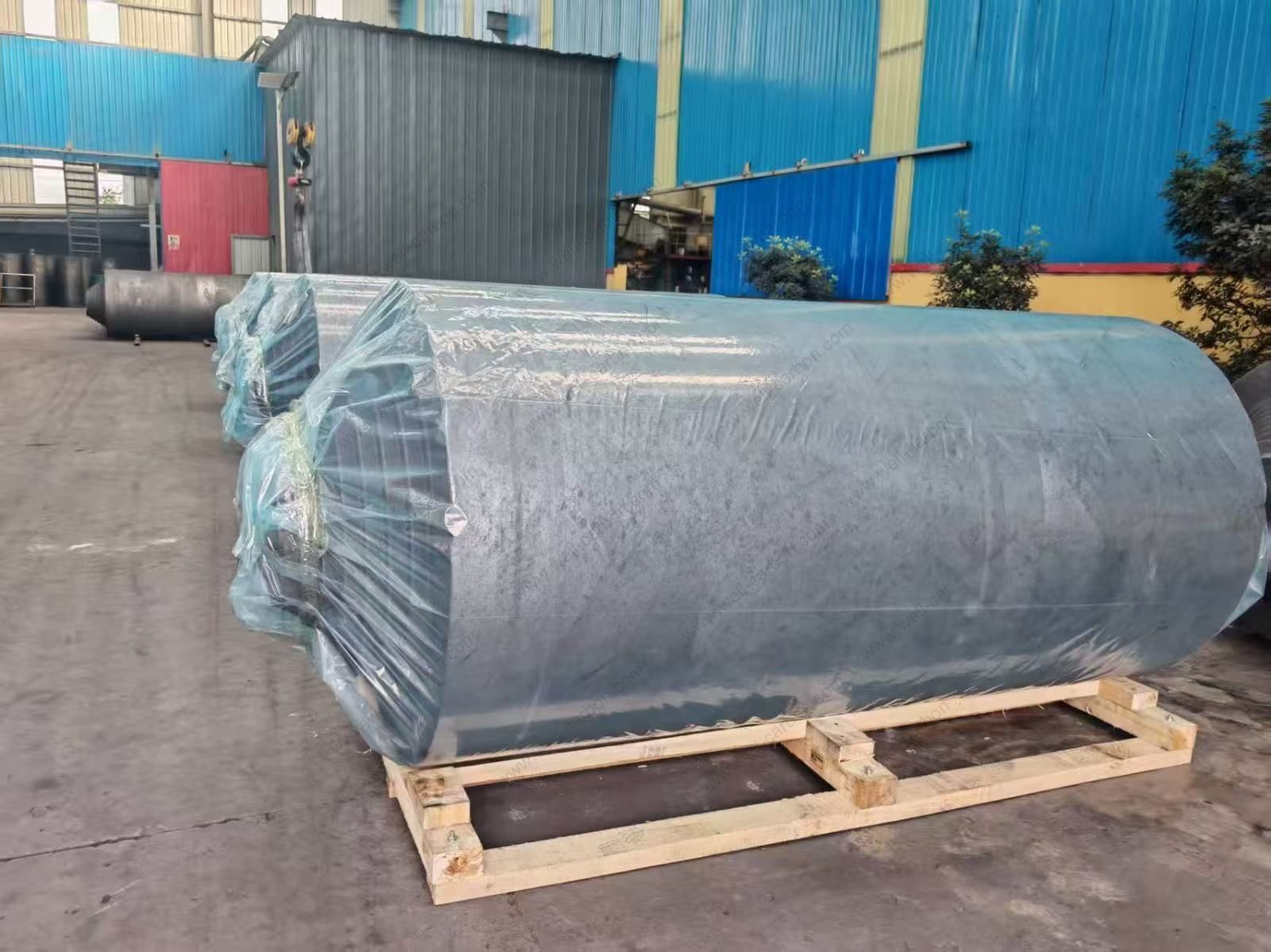
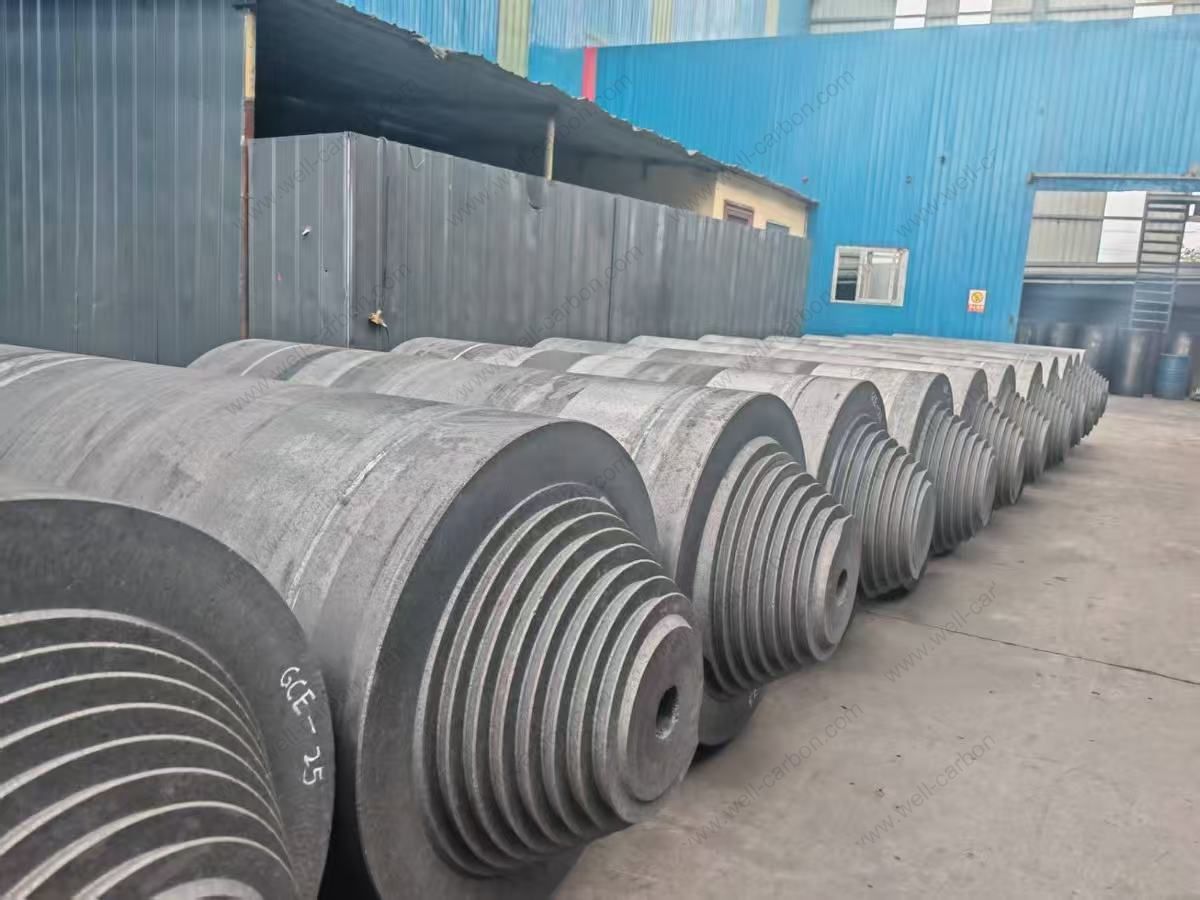
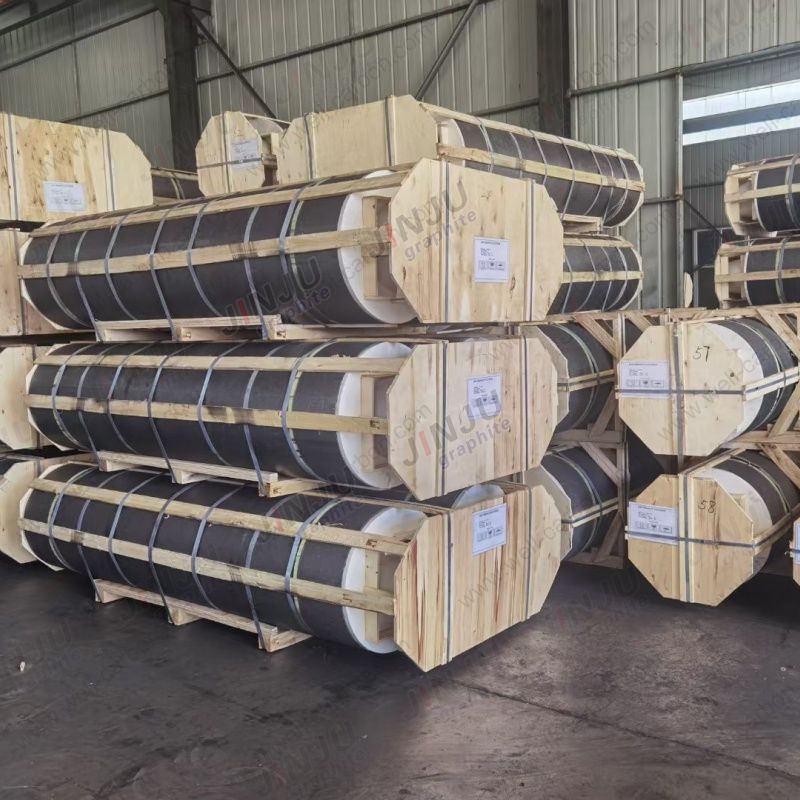
Carbon electrodes are carbonaceous conductive electrodes produced from electrically calcined anthracite (ECA), petroleum coke, graphite scrap, and coal tar pitch through batching, mixing, forming, baking, and machining. The product is classified into S grade and G grade according to current load and physicochemical indices, with diameters ranging from Φ500mm to Φ1400mm. They are designed for submerged arc furnaces (ore-thermal furnaces) to deliver power and heat in the smelting of silicon metal, ferroalloys, calcium carbide, yellow phosphorus, and similar processes. Compared with conventional self-baking electrode paste, baked carbon electrodes offer higher strength, reduced breakage, lower oxidation loss, decreased power consumption, and reduced pitch fume emissions.
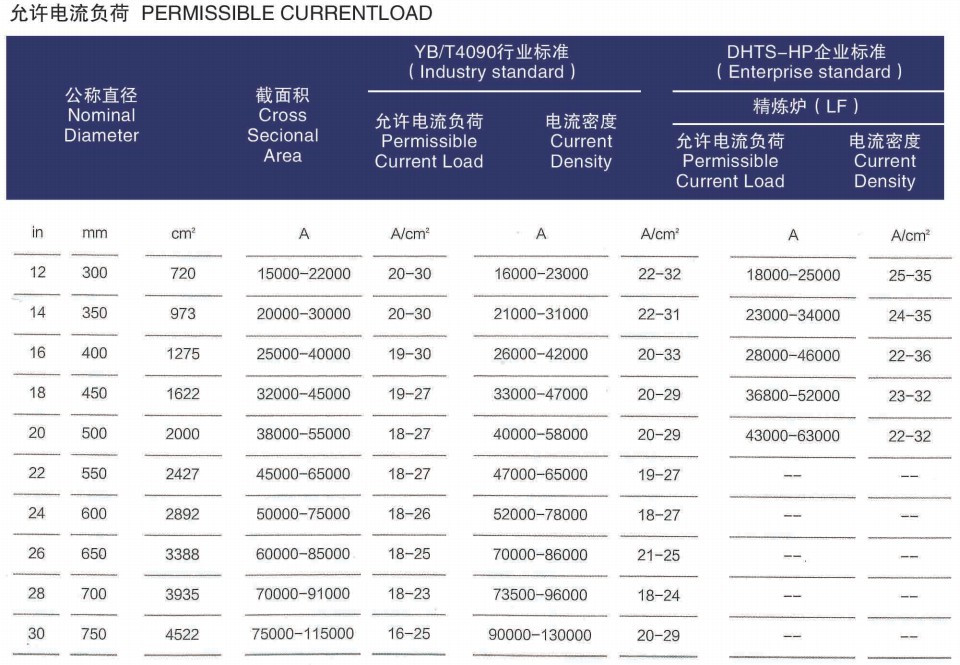
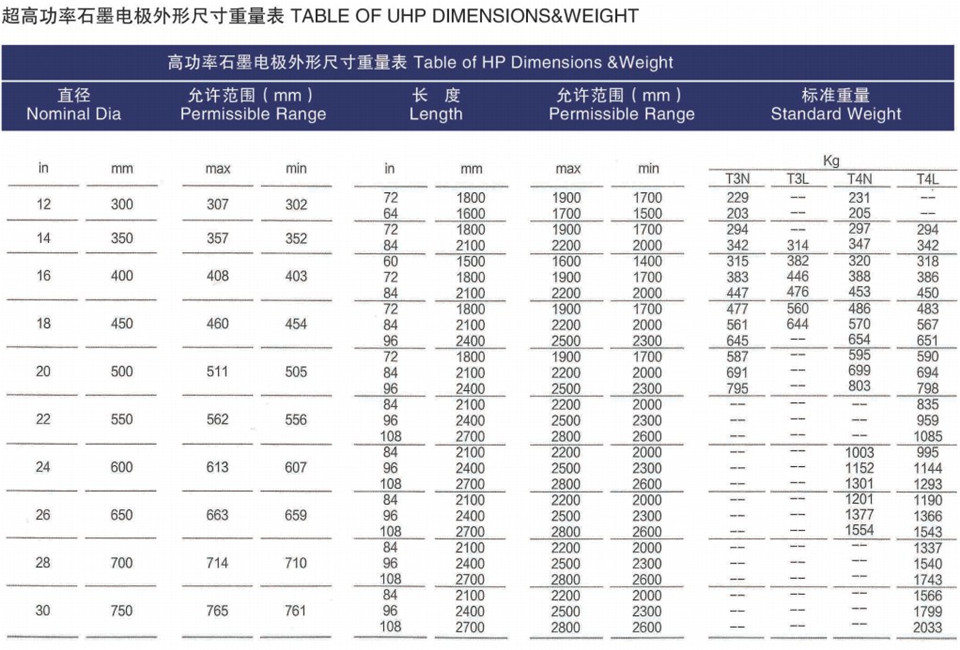
Parameter Display
Products Describe
Product Overview
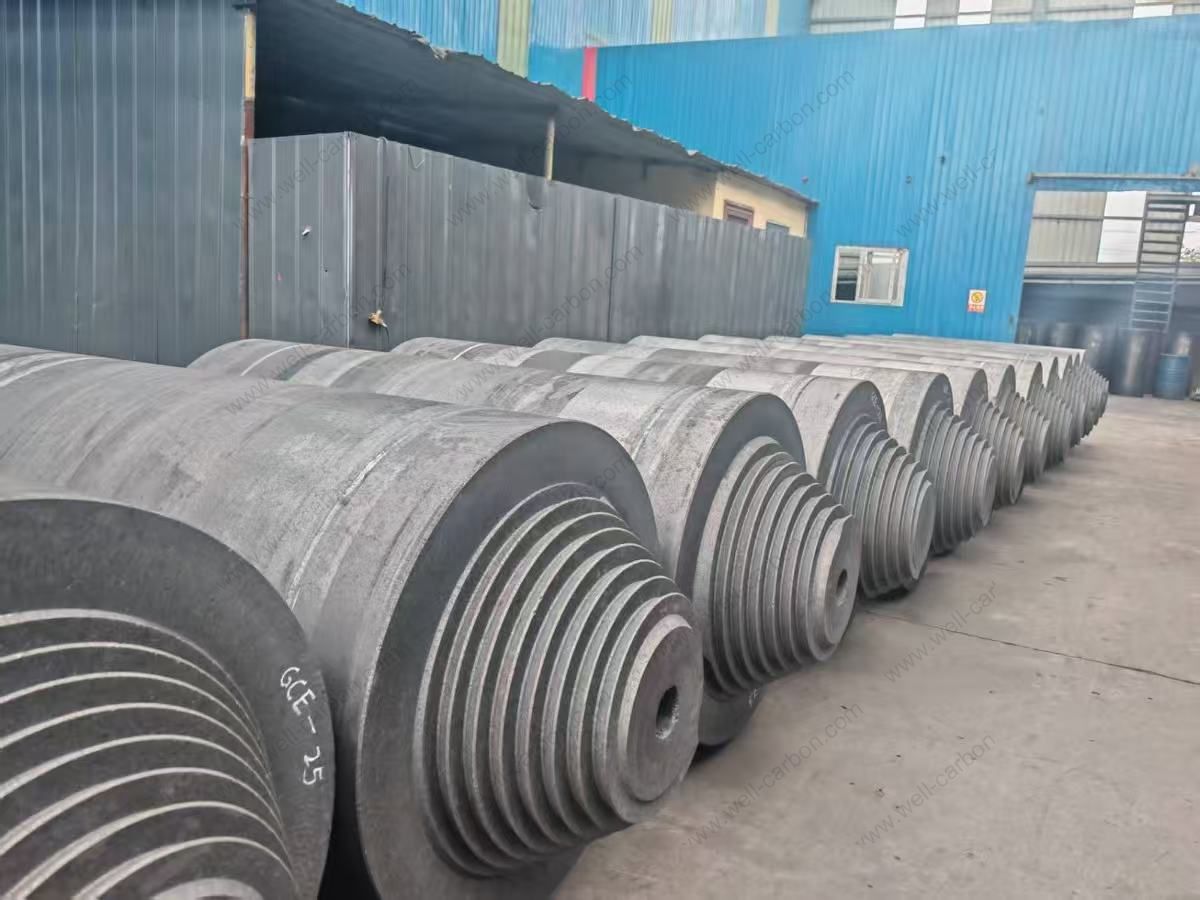
Carbon electrode is a baked carbonaceous conductive electrode used in submerged arc furnaces (ore-thermal furnaces). Unlike graphite electrodes used in steelmaking electric arc furnaces, its design priority is sustained current delivery to the charge under the submerged-arc conditions of large ore-thermal furnaces, with a balance of cost and flexural strength. While its resistivity is higher than that of graphite electrodes, in silicon metal, ferroalloy, calcium carbide, and yellow phosphorus smelting, appropriate diameter and current density selection allow an economic balance between conductivity and cost.
Key Advantages
Strength and Breakage Resistance: Baked carbon electrodes offer high mechanical strength and resist breakage under the deep-buried charge conditions of submerged arc furnaces.
Controlled Oxidation Loss: Compared with self-baking electrode paste, baked carbon electrodes have better structural density, resulting in lower oxidation consumption and reduced pitch fume emissions.
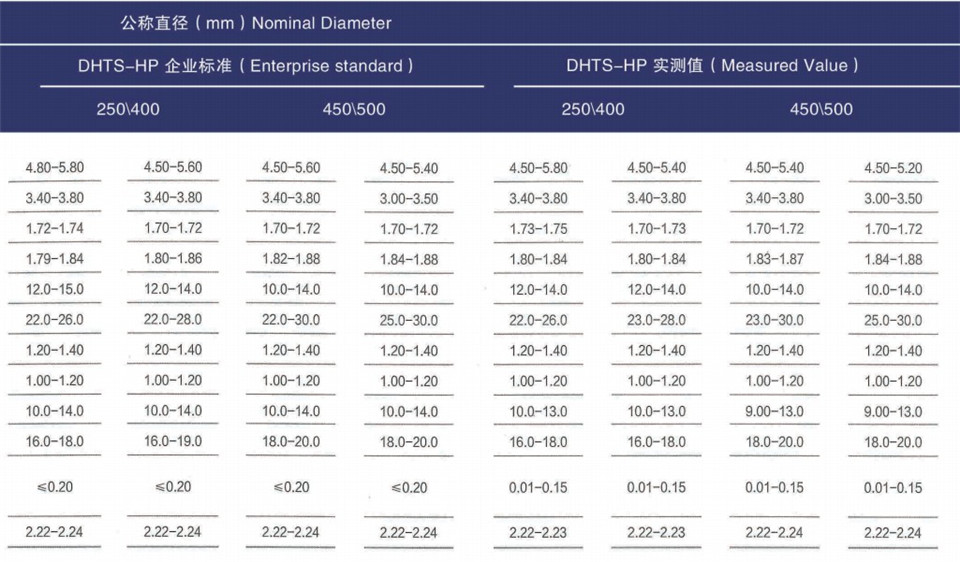
Grade Options for Different Furnaces: S grade suits conventional submerged arc furnaces; G grade, with lower resistivity (≤38–40 μΩ·m) and higher bulk density (≥1.58 g/cm³), serves applications demanding higher conductive efficiency.
Wide Diameter Coverage: Φ500–Φ1400mm covers electrode requirements from small ferroalloy furnaces to large silicon metal and yellow phosphorus submerged arc furnaces.
Typical Applications
Ferroalloy Submerged Arc Furnaces: Ferrosilicon, ferromanganese, and ferrochrome smelting—the foundational application of carbon electrodes.
Silicon Metal Production: Conductive electrodes delivering power to silica charge in submerged arc furnaces.
Calcium Carbide and Yellow Phosphorus: High-energy-consumption submerged arc furnace applications requiring specific diameters and flexural strength.
Other Ore-Thermal Processes: Titanium slag, corundum, and similar smelting operations.
Nipples and Customization
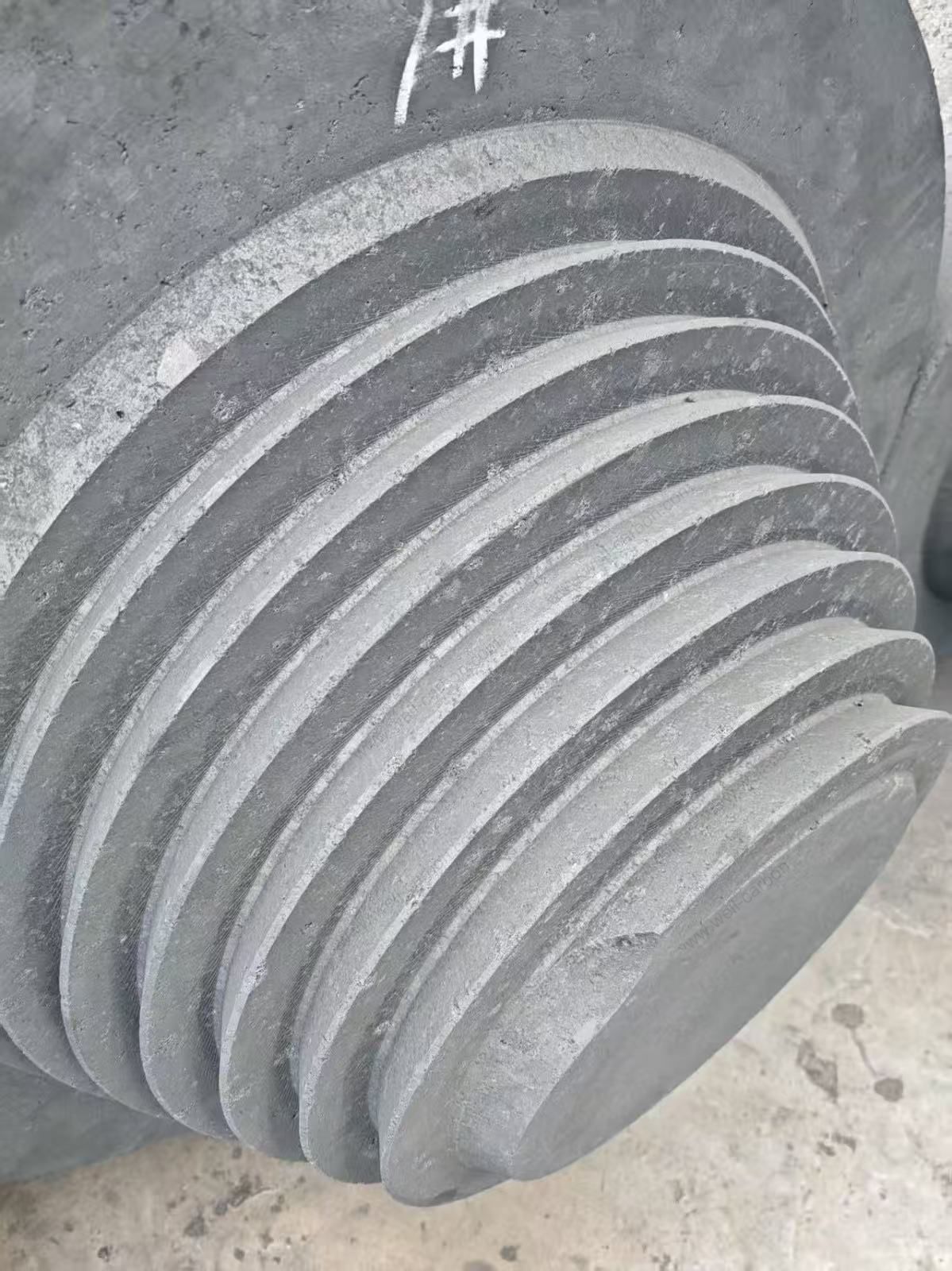
Carbon electrode nipples are available as matched components, manufactured with multi-impregnation and multi-baking cycles to ensure joint integrity. Diameters, lengths, and nipple specifications can be customized to furnace parameters.
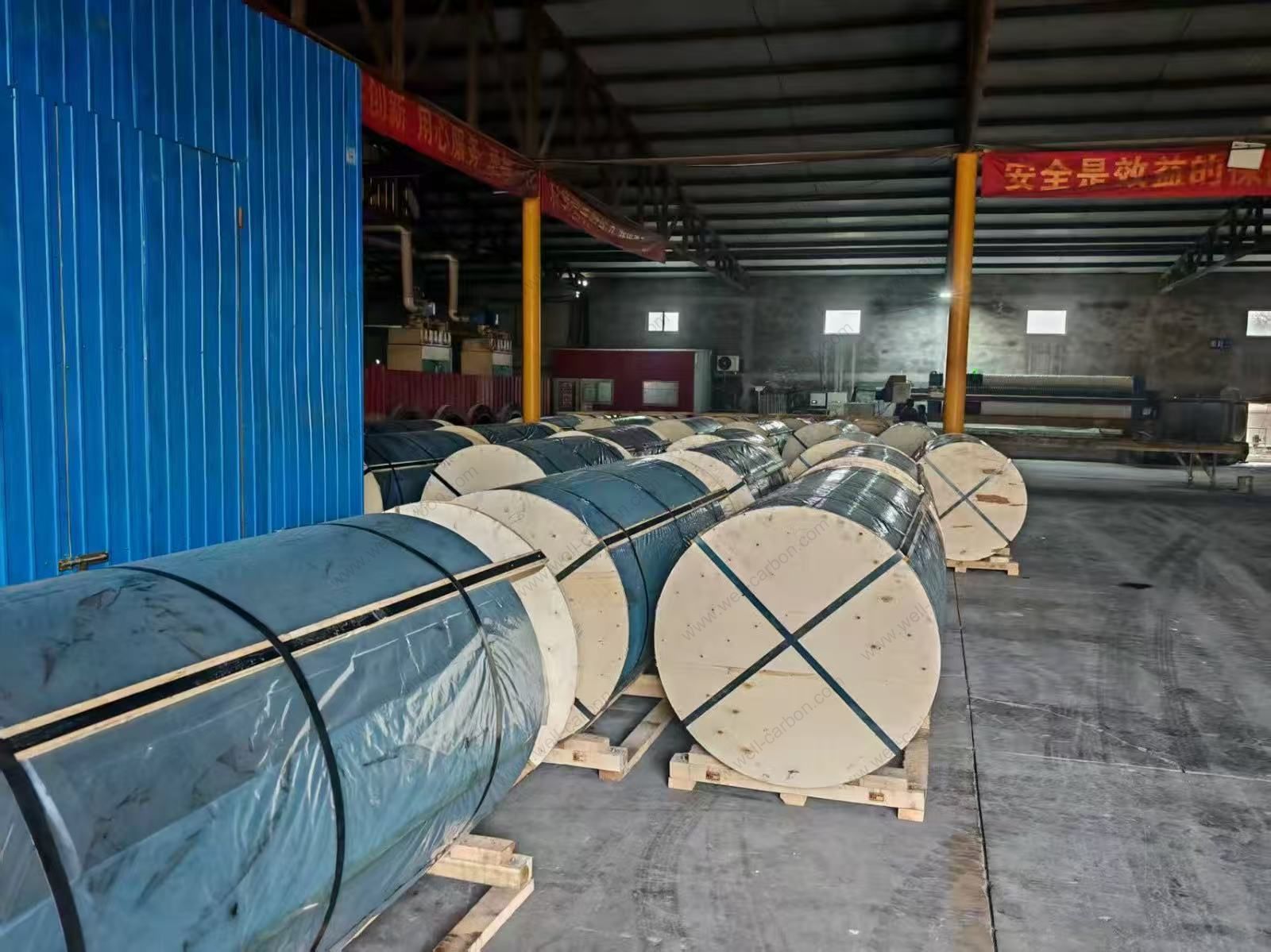
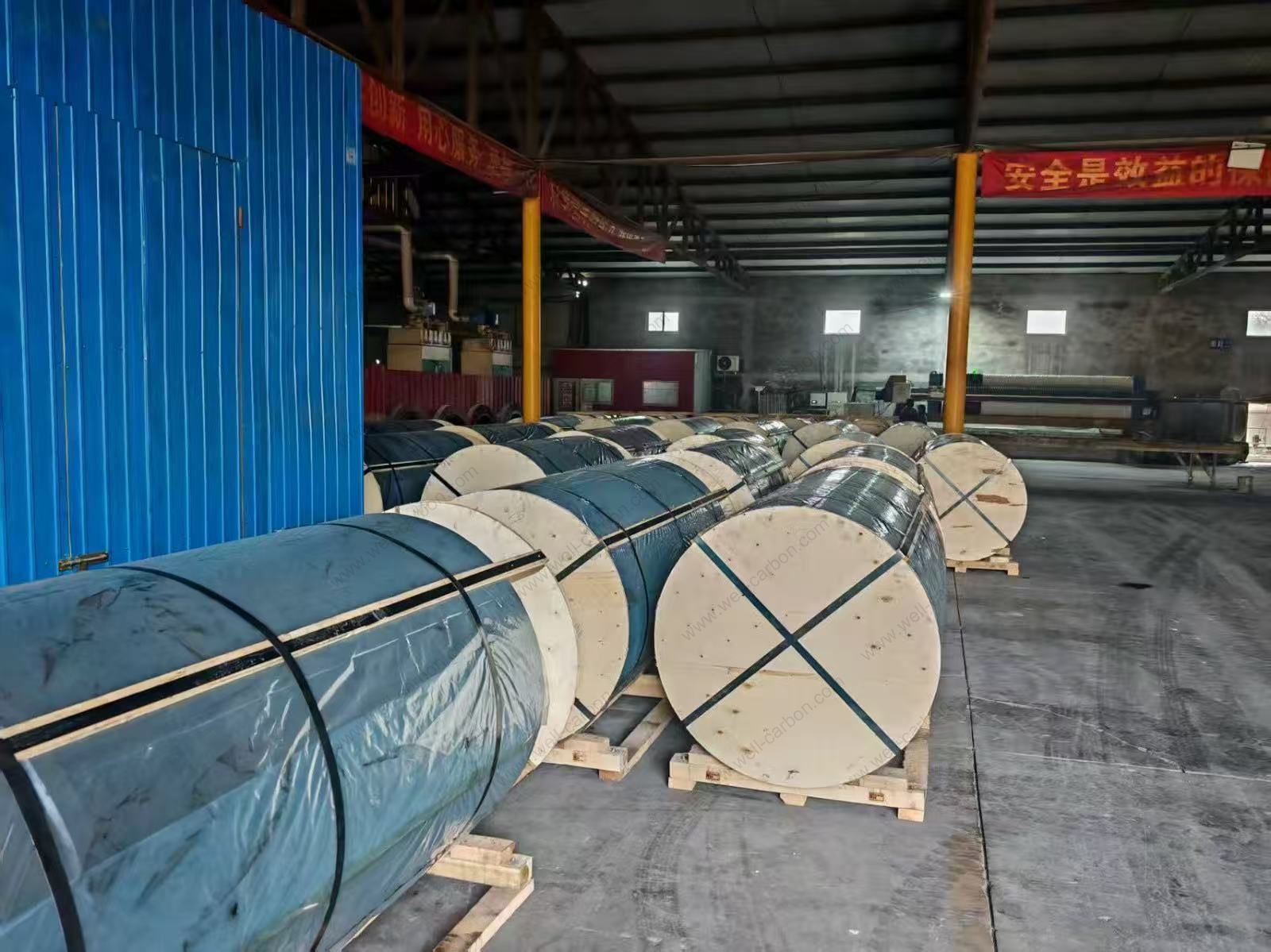
Packing and Shipping
Manufacture Process
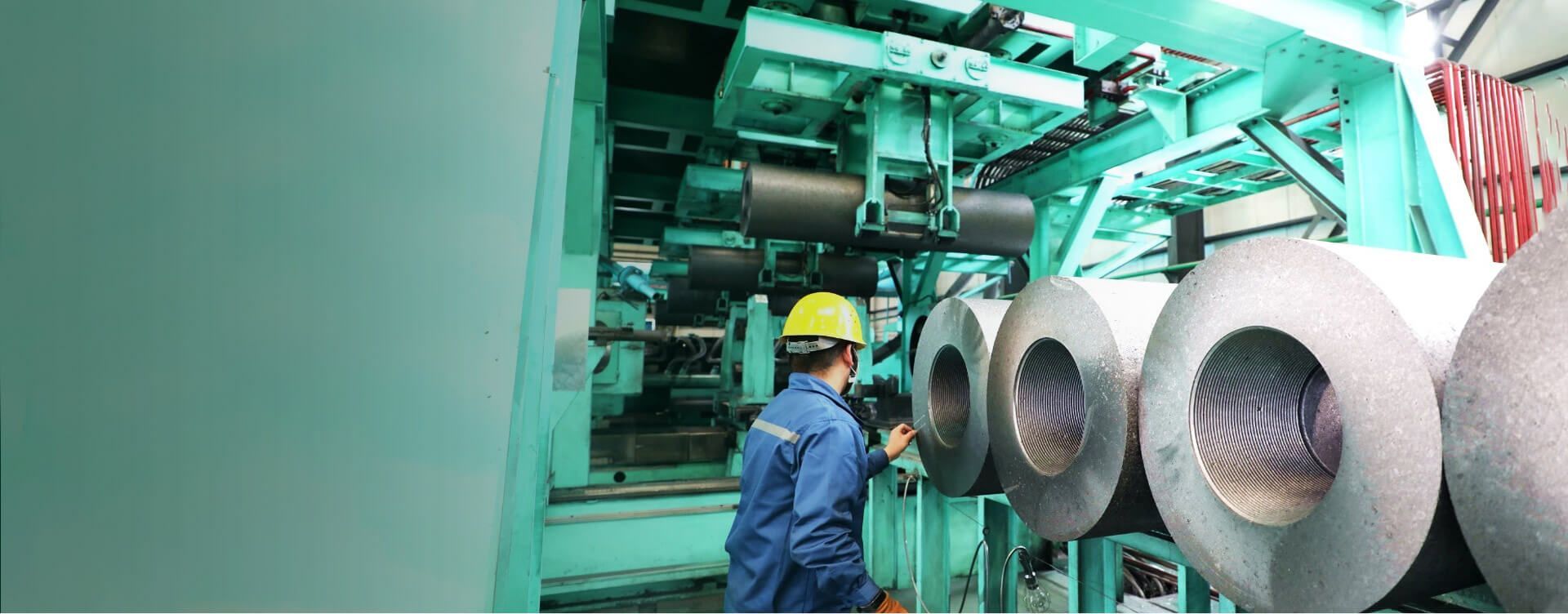
Carbon electrode production centres on baking and forming, without a graphitization step—this is the key process distinction from graphite electrodes. The typical route is as follows:
Raw Material Preparation: Electrically calcined anthracite (ECA), petroleum coke, and graphite scrap serve as the main aggregates, with coal tar pitch as binder. Raw materials are crushed, screened, and batched to control particle size distribution and ash content.
Mixing: Dry materials and molten coal tar pitch are mixed uniformly under heat, so that pitch thoroughly coats the aggregate particles to form a plastic paste.
Forming: The paste is formed into cylindrical green electrodes by extrusion or vibration forming. Extrusion suits long electrodes; vibration forming suits large-diameter products.
Baking: Green electrodes are heated in the absence of air at a controlled rate to approximately 700°C–1100°C, carbonizing the pitch binder into solid coke and imparting permanent form, mechanical strength, and electrical conductivity. Baking is the core step that determines the final physicochemical properties of the carbon electrode.
Impregnation (where required by grade): Some grades or large-diameter products undergo a coal tar pitch impregnation followed by a second baking cycle to fill open porosity and increase bulk density. The density difference between S grade and G grade partly derives from the impregnation regime.
Machining and Nipple Assembly: Baked electrodes are turned, end-faced, and threaded to size, and matched with nipples. Nipples are typically manufactured separately using multi-impregnation and multi-baking cycles to ensure joint strength.
Inquire Basket (0)