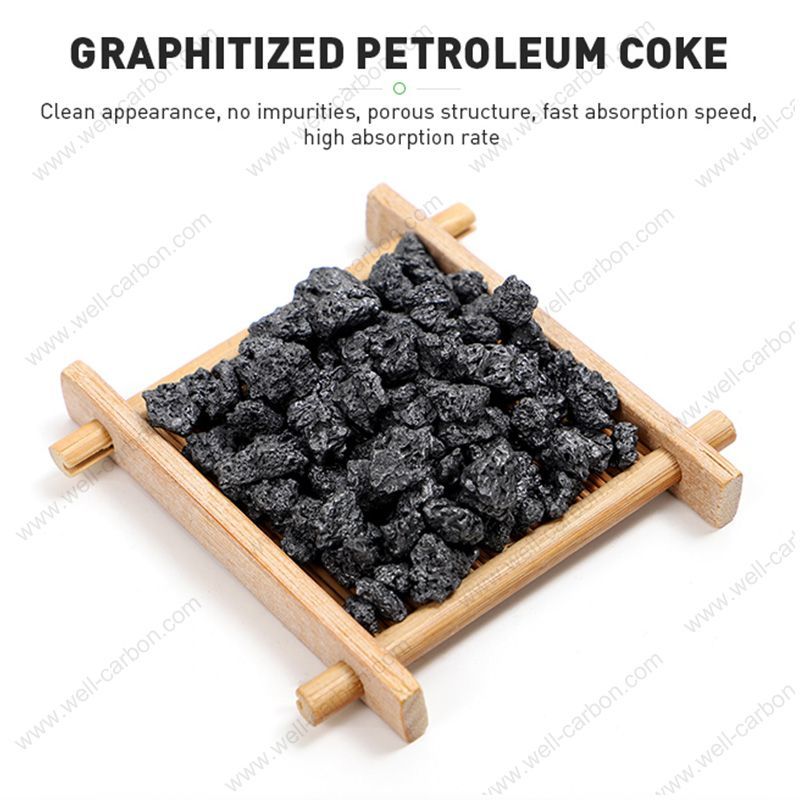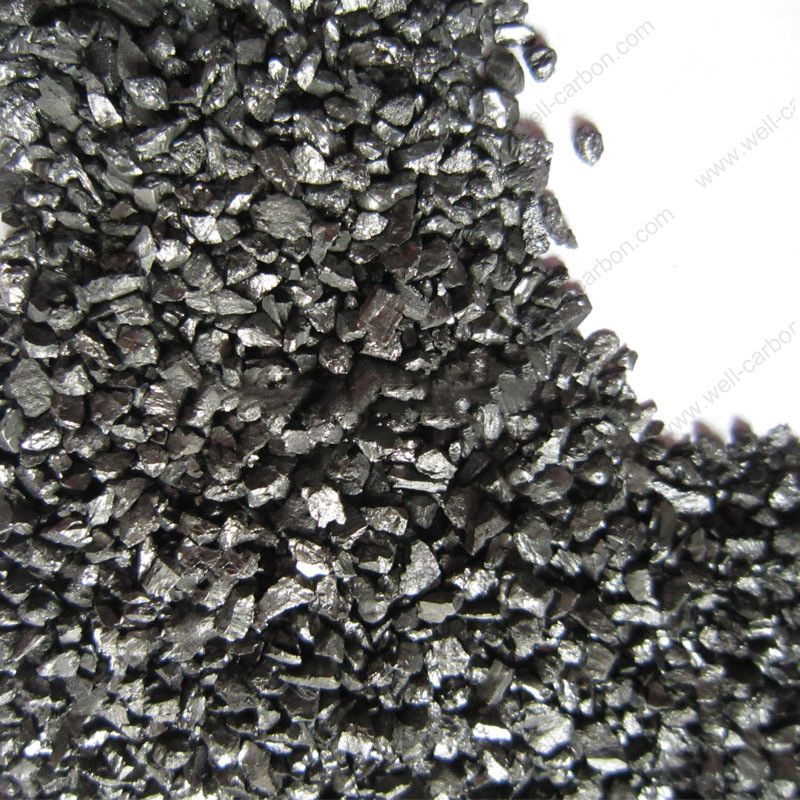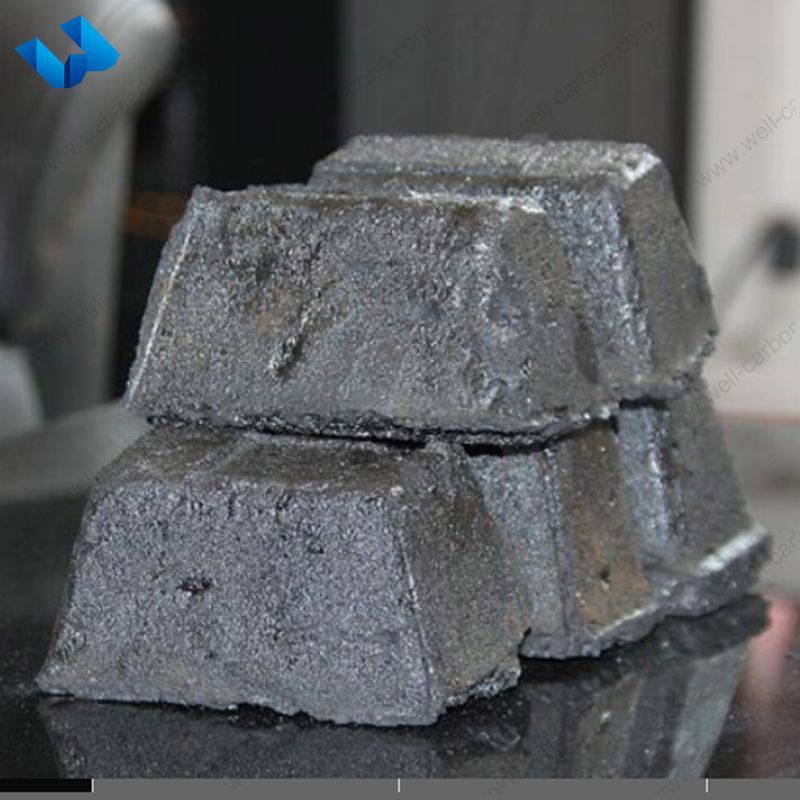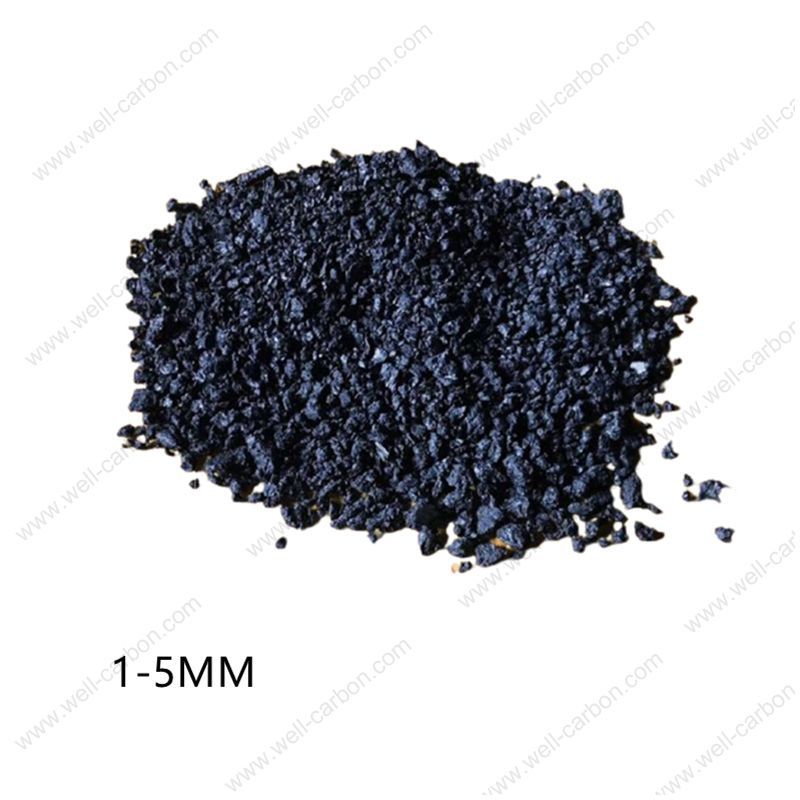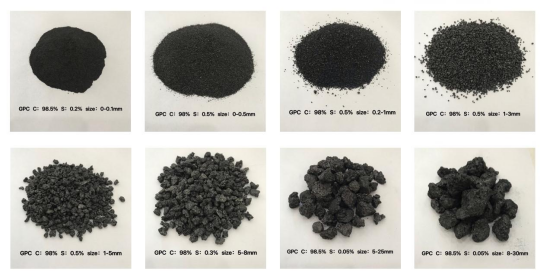
Carburizers are essential raw materials for adjusting carbon content in molten steel and molten iron during steelmaking, ductile iron casting and gray iron production. Many buyers only focus on the fixed carbon value when selecting carburizers, while overlooking the side effects brought by accompanying sulfur and nitrogen. Strict control of carbon, sulfur and nitrogen is essential to stabilize casting quality, reduce rejection rate and control smelting cost.
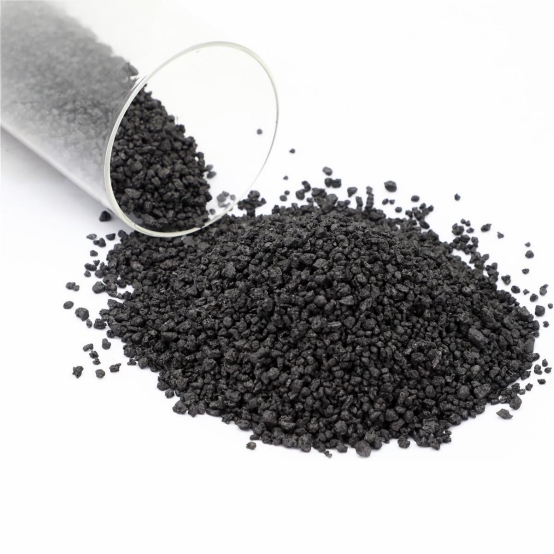
Fixed carbon determines the carburizing capacity directly.
· If fixed carbon is insufficient: the carbon recovery rate will be low. Operators have to feed more carburizer and extend melting time, which raises energy and material cost. It becomes hard to hit the target carbon range and causes composition fluctuation heat by heat.
· Stable fixed carbon content ensures predictable carbon absorption and repeatable melting recipes, which simplifies batching control for metallurgists. High ash and volatile matter will dilute fixed carbon and introduce extra impurities, so fixed carbon must be monitored consistently.
Sulfur is a detrimental element for both iron and steel production:
1. In ductile iron, sulfur consumes nodulizer (Mg) preferentially, inhibiting graphite nodule formation. Excess sulfur leads to poor nodularity, degenerated graphite and degraded mechanical properties, even nodule fading and scrapped castings.
2. Sulfide in molten steel forms low-melting segregations, causing hot cracking and hot shortness, which damages steel toughness and weldability.
3. Unstable sulfur content makes it impossible to standardize the addition of nodulizer and pre-treatment agents.
Ductile iron normally requires low-sulfur carburizers. For gray iron and steelmaking, sulfur must be kept below the limit specified by the customer’s process.
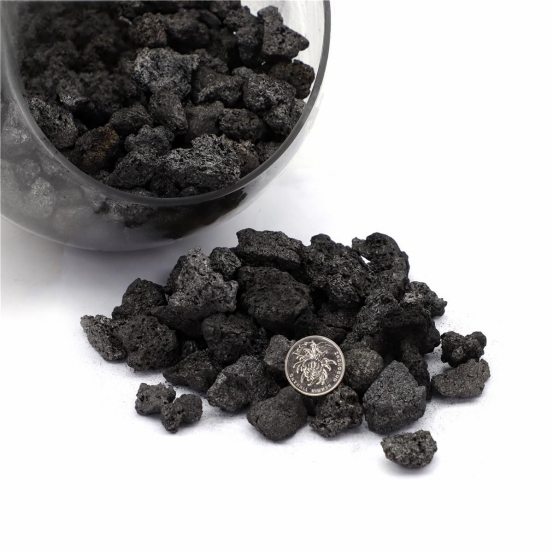
Nitrogen hazard is often underestimated. Nitrogen dissolves easily in high-temperature liquid metal and releases N₂ gas during solidification:
1. The most typical defect from excessive nitrogen is subsurface pinholes and dispersed gas porosity, which usually appear after machining and result in casting rejection. Such defects are difficult to troubleshoot.
2. For steel castings, excess nitrogen may induce strain aging embrittlement, increase hardness and reduce impact toughness and ductility.
3. Variable nitrogen content from batch to batch leads to inconsistent defect rates even under identical melting parameters. Thin-wall castings and precision machined parts have the strictest nitrogen limits, where low-nitrogen graphite carburizer is strongly recommended.
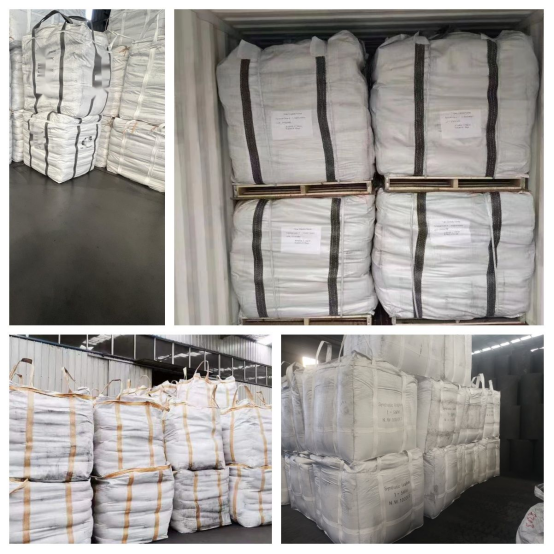
For import and export raw material suppliers, batch-to-batch consistency is one of the top requirements from overseas buyers. A carburizer with high fixed carbon but uncontrolled S & N may look cost-effective at first glance, yet it will bring heavy losses including casting scrap, rework and claim risks.
Hebei Weitan Import & Export Co., Ltd. provides test certificates for each batch of carburizers, covering fixed carbon, sulfur, nitrogen, ash and volatile matter. We recommend suitable grades according to customers’ applications (ductile iron, gray iron, steel casting), balancing carburizing yield and metallurgical safety to support stable production.
Fixed carbon alone cannot define a qualified carburizer. Integrated control of carbon, sulfur and nitrogen forms the foundation of modern melting quality management. Selecting properly specified carburizers helps avoid porosity, cracks and nodulization failure at source, achieving cost reduction and production stability.
Search Blog