Home > Products > Metallurgical Casting Materials > Baked Scrap > Baked Scrap Low Ash & Multi-Ash Grades Crushed 1-10mm for Electrode Paste & Anode Filler
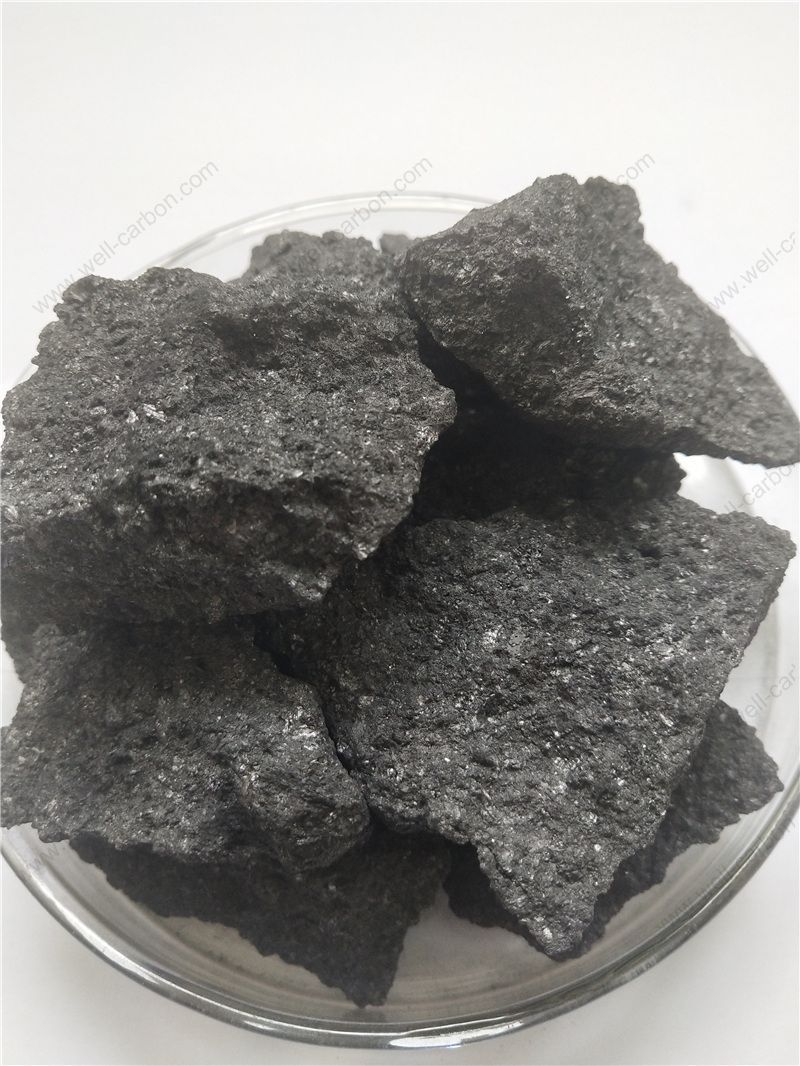
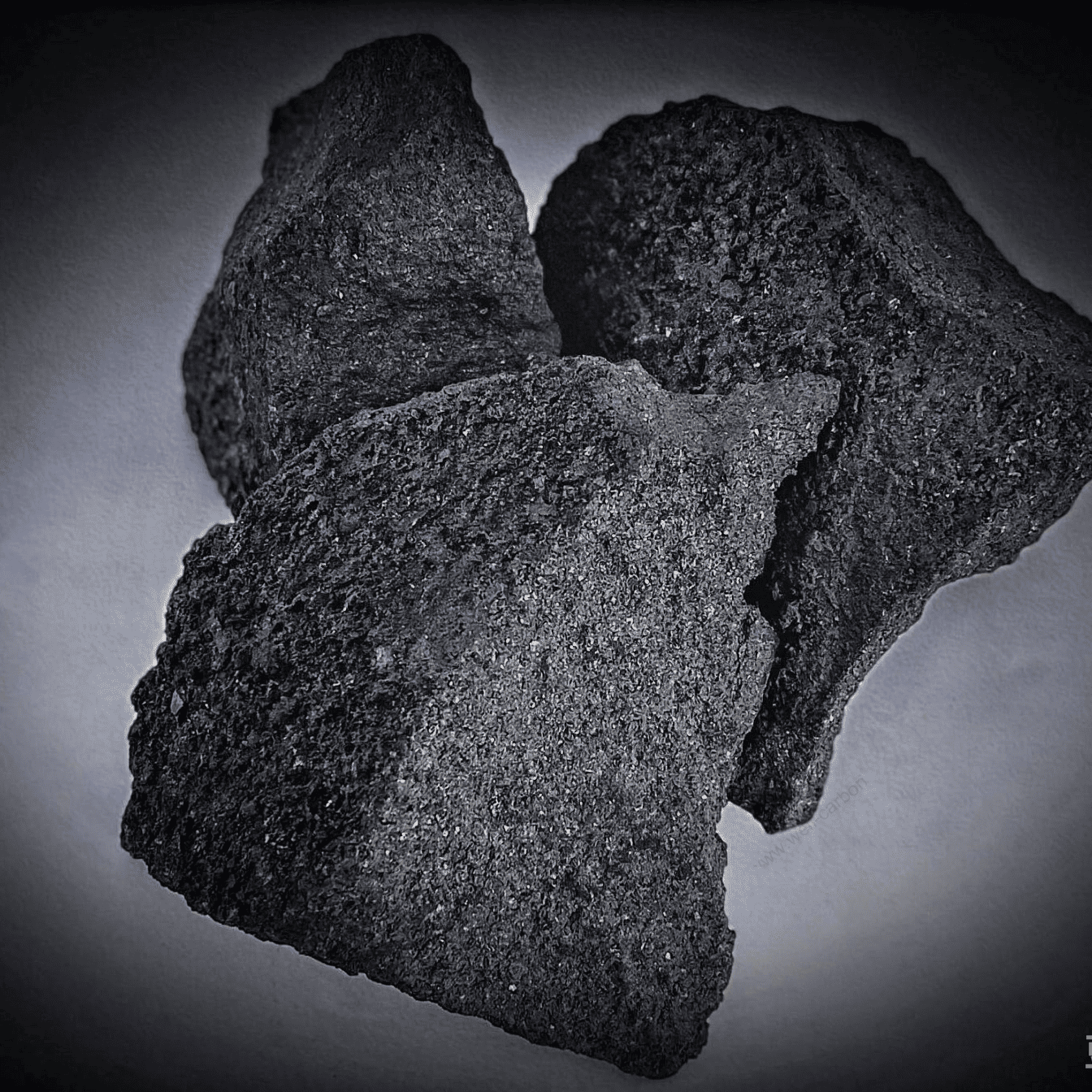
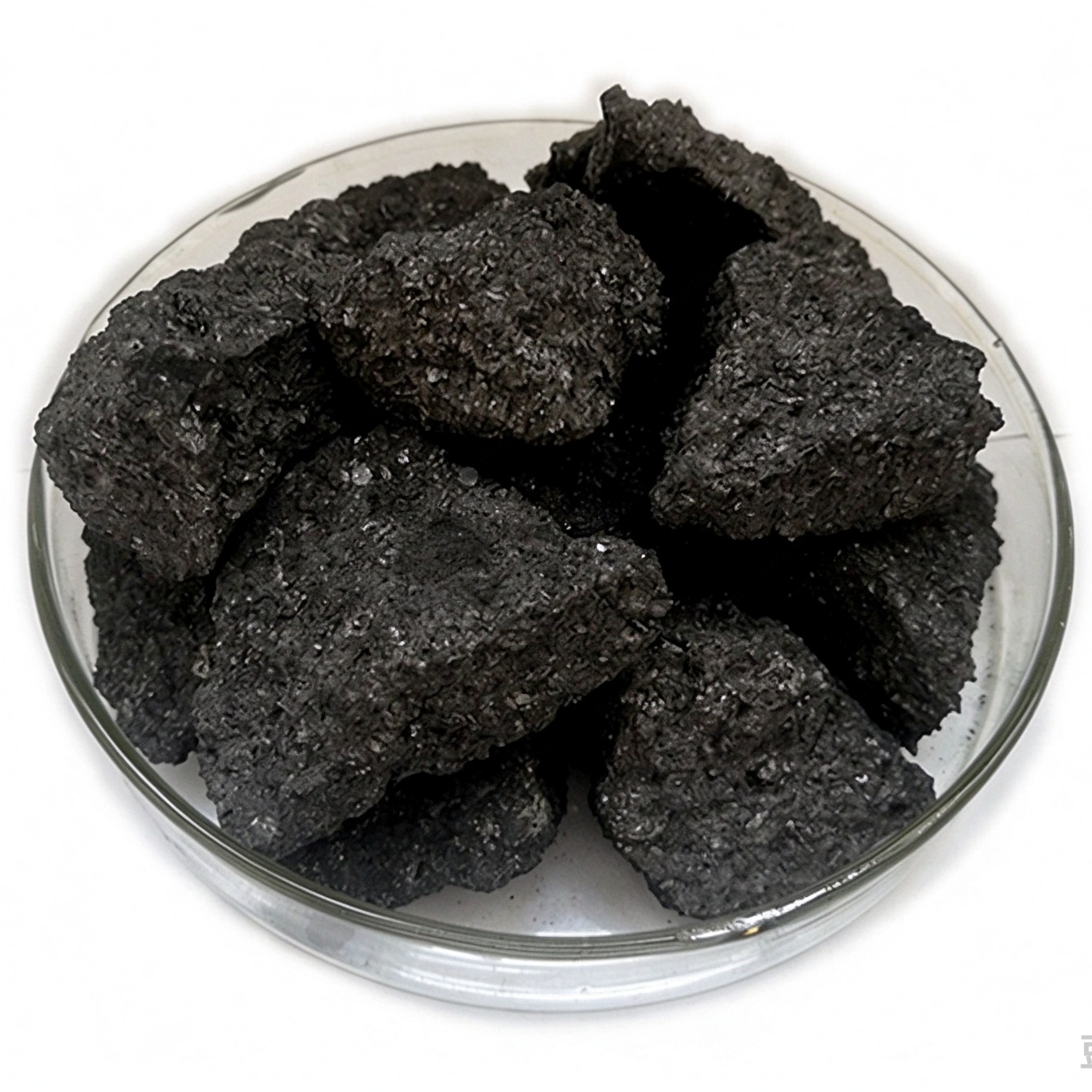
Baked Scrap is a recycled carbonaceous material comprising rejects from carbon product baking and cutting scraps generated during the machining of carbon blocks and carbon electrodes. After crushing, screening, and magnetic iron removal, it is supplied as a recycled carbon aggregate or filler. Its mechanical strength is higher than that of raw material blocks, and its addition to formulations significantly improves the mechanical strength of finished carbon products. It is classified by feedstock origin into low-ash baked scrap (from petroleum coke/pitch coke-based products) and multi-ash baked scrap (from anthracite/metallurgical coke-based products). Characterized by low sulfur, low ash, high fixed carbon, and high calorific value, it can partially replace metallurgical coke and foundry coke to reduce downstream production costs, and is widely used in electrode paste, carbon blocks, pre-baked anode filler, and precision foundry applications.
Products Describe
Product Overview
Baked Scrap is a recycled carbonaceous material sourced from the baking rejects and machining scraps of carbon products. Its value lies not in “purity” but in the mechanical strength acquired through high-temperature baking—strength that exceeds that of raw material blocks, enabling it to act as an aggregate or reinforcing phase and improve the flexural and compressive strength of finished carbon products when added to formulations. Baked scrap also offers low sulfur, low ash, and high fixed carbon, making it a partial replacement for metallurgical coke and foundry coke in foundry and carbon production, helping buyers reduce raw material costs.
Low-Ash vs. Multi-Ash: The First Sourcing Decision
Low-Ash Baked Scrap: Derived from petroleum coke/pitch coke-based carbon product rejects and cutting scraps. Low ash and high fixed carbon; suitable for low-ash products (e.g., high-power graphite formulation aggregate, premium pre-baked anode filler) and compatible with multi-ash products as well.
Multi-Ash Baked Scrap: Derived from anthracite/metallurgical coke-based product waste. Higher ash and lower price, specifically intended for multi-ash products such as carbon blocks, carbon electrodes, and electrode paste.
Key Advantages
Mechanical Strength Advantage: Baked scrap particles are stronger than raw material blocks. As an aggregate, they enhance the mechanical properties of finished products—the core value distinguishing baked scrap from ordinary coke.
Cost-Replacement Benefit: Can partially replace metallurgical coke and foundry coke, reducing raw material costs while maintaining product strength—suited to cost-sensitive foundry and carbon product operations.
Low Sulfur and Low Ash (Low-Ash Grade): Low-ash baked scrap keeps sulfur and ash at controlled levels, suitable for low-ash carbon products with some impurity requirements.
Controllable Sizing, Ready to Charge: Supplied as 0–5mm, 1–10mm, and other small-to-medium particles after crushing and screening, eliminating the buyer's secondary crushing step.
Typical Applications
Electrode Paste: Multi-ash baked scrap is a common aggregate source in electrode paste formulations.
Carbon Blocks and Carbon Electrodes: Added as aggregate to improve the mechanical strength of finished products.
Pre-Baked Anode / Carbon Block Filler: Baked scrap particles can serve as packing or filler components in baking and formulation.
Precision Foundry and Metallurgy: Used as a cost-effective carbonaceous substitute for foundry coke/metallurgical coke in cost-sensitive smelting and casting operations.
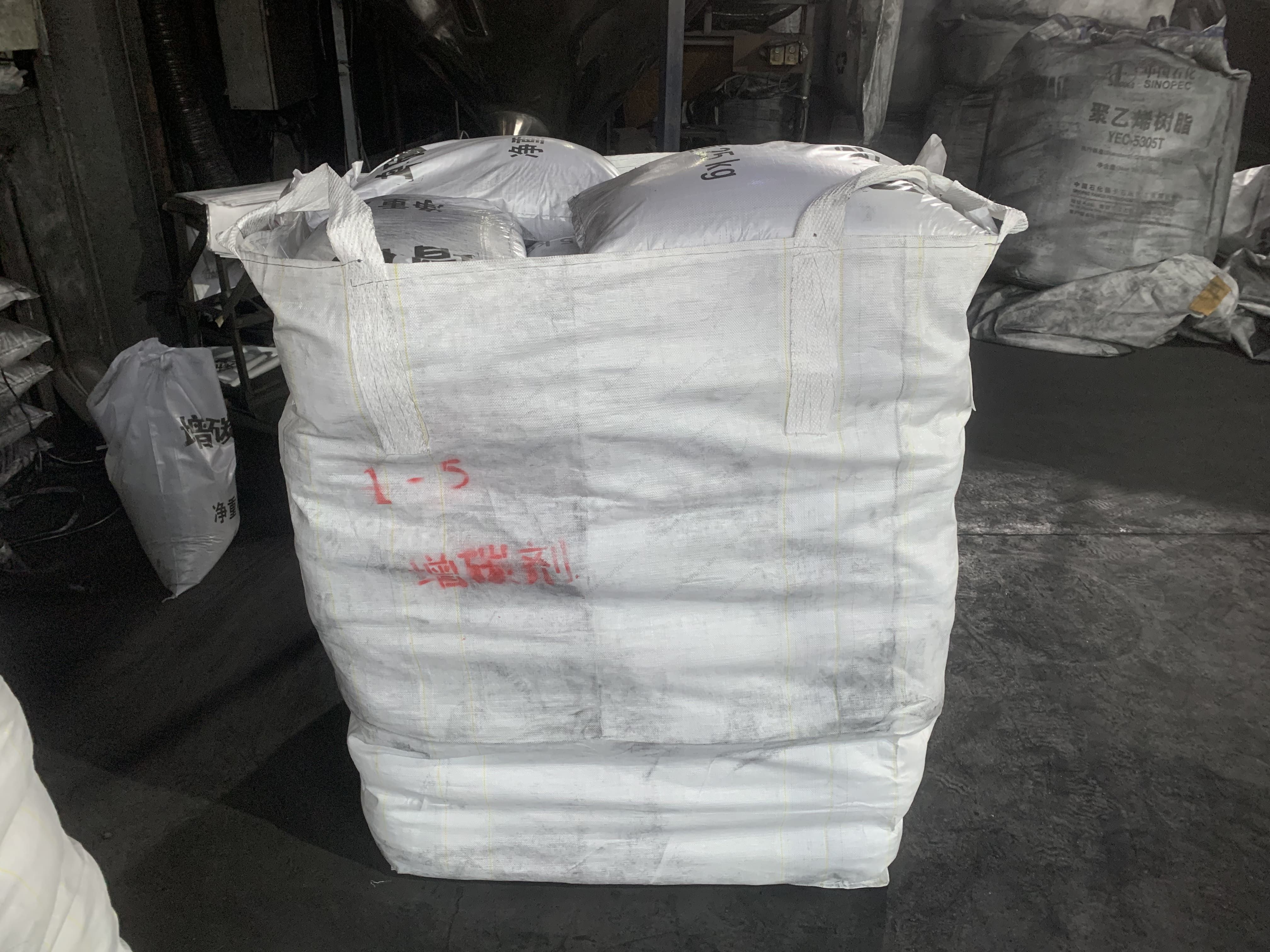
Packing and Shipping
Manufacture Process
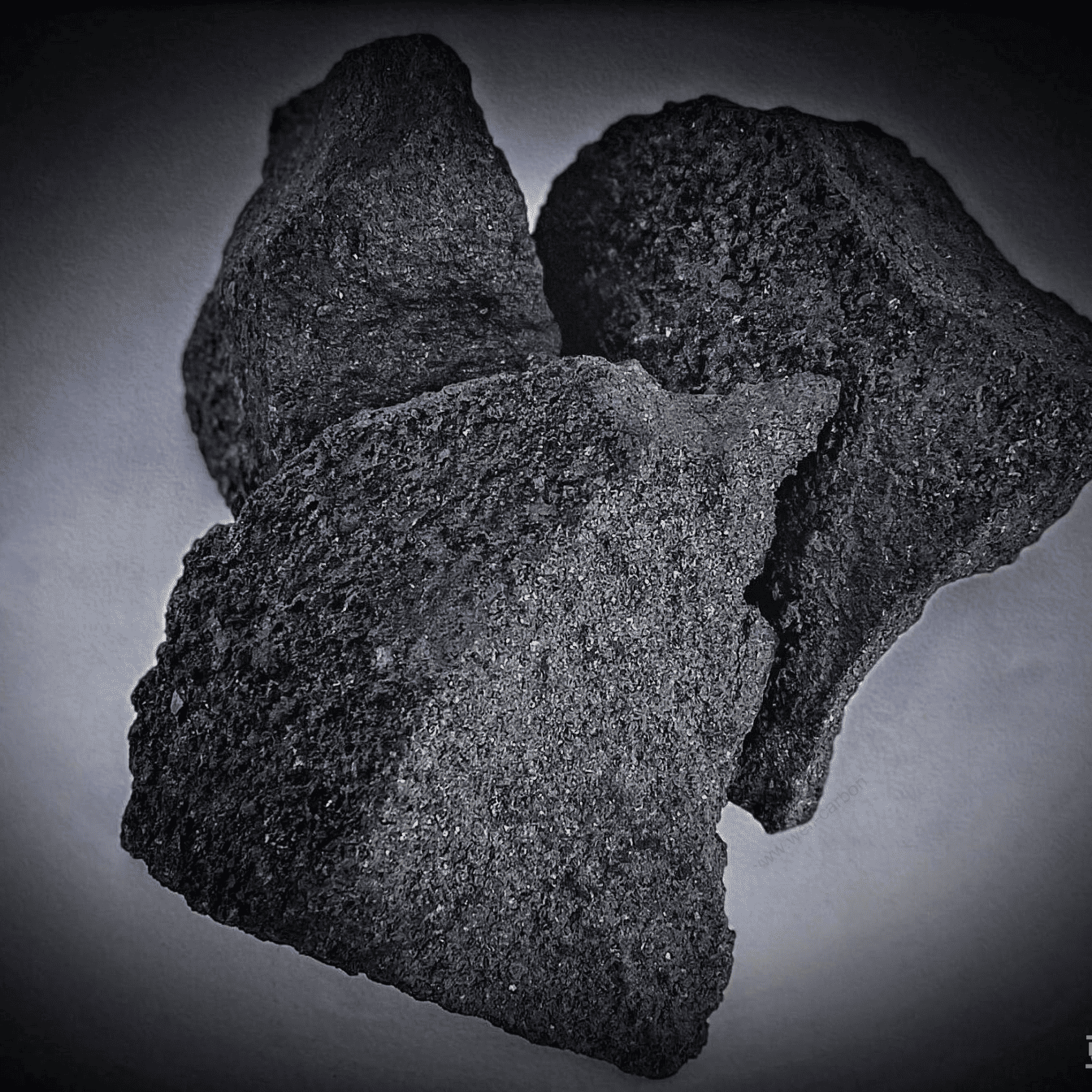
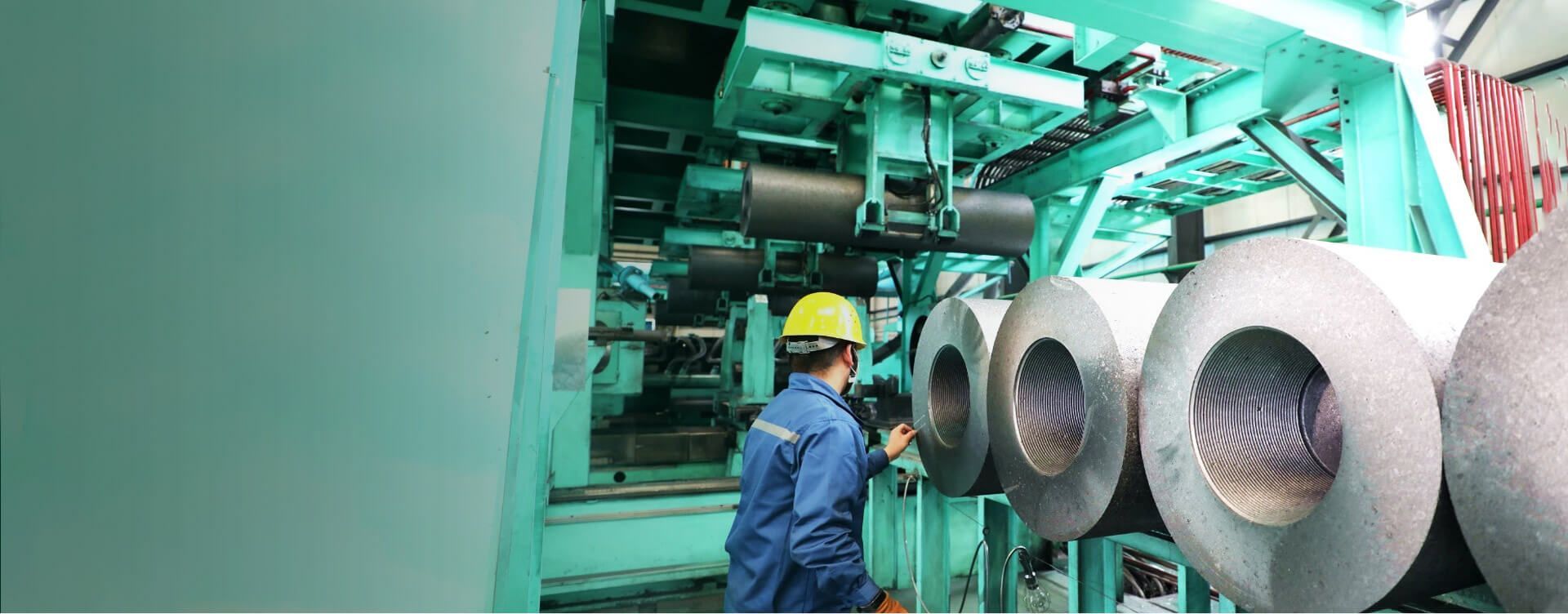
Baked Scrap production does not involve the full carbon manufacturing route from raw materials to finished product; instead, it is the recovery, crushing, and classification of existing baked carbon articles. The typical processing route is as follows:
Source Collection and Classification: Baked scrap originates from rejects of carbon product baking and cutting scraps generated during the machining of carbon blocks and carbon electrodes. First, low-ash/multi-ash classification is performed by feedstock origin—petroleum coke/pitch coke-based sources go to the low-ash line, and anthracite/metallurgical coke-based sources go to the multi-ash line, preventing cross-contamination that would affect ash specifications.
Coarse Crushing: Lump baked scrap is coarse-crushed using equipment such as hammer crushers, reducing large pieces to a size suitable for fine crushing.
Fine Crushing and Screening: Coarse-crushed material enters fine crushing (e.g., sieve-equipped ball mills) to be further reduced to small-to-medium particles, then classified by screening into target size fractions such as 0–5mm and 1–10mm. Particle size distribution is a key physical specification of baked scrap delivery, directly affecting the buyer's aggregate grading in formulation.
Magnetic Separation: Iron contaminants that may be introduced during crushing and screening are removed magnetically to control iron content and avoid adverse effects on downstream product performance.
Quality Inspection and Packaging: Finished batches are tested for fixed carbon, ash, volatile matter, sulfur, and particle size distribution, then packaged and delivered separately by low-ash/multi-ash grade.
Inquire Basket (0)