Home > Products > Needle Coke > Calcined Needle Coke Low Sulfur CTE ≤1.0 for UHP Graphite Electrode & Lithium Battery Anode
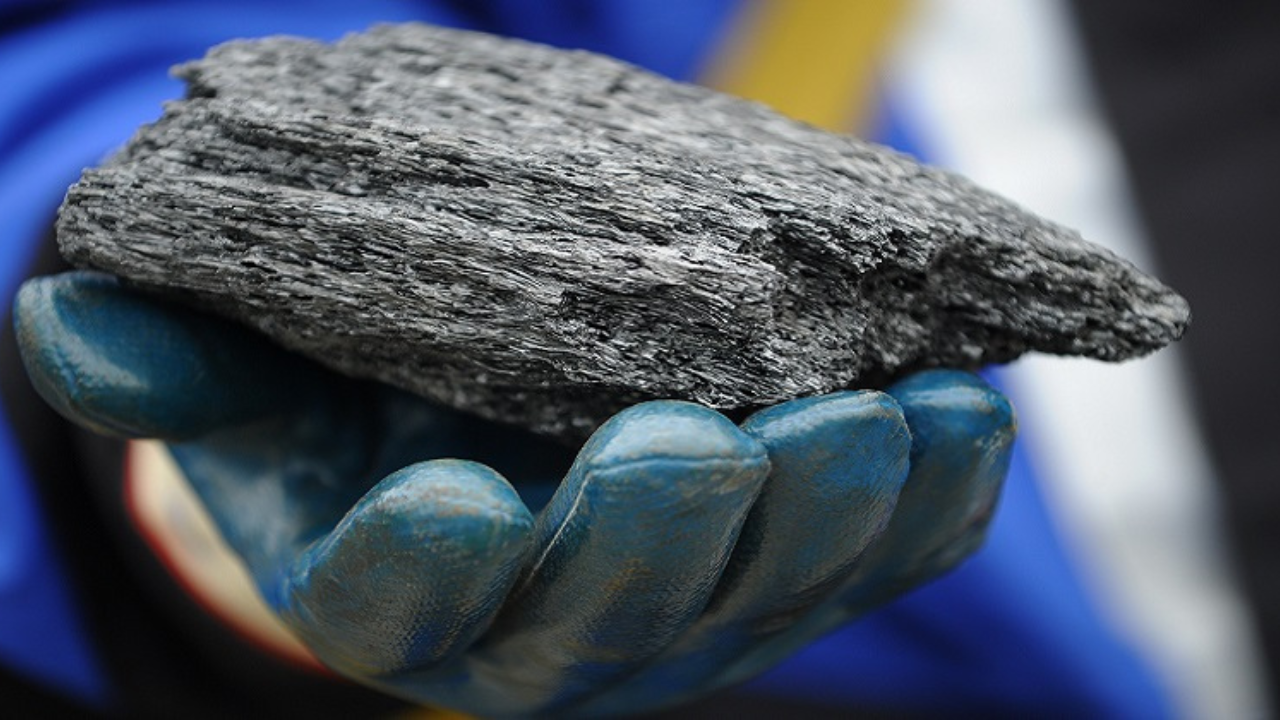
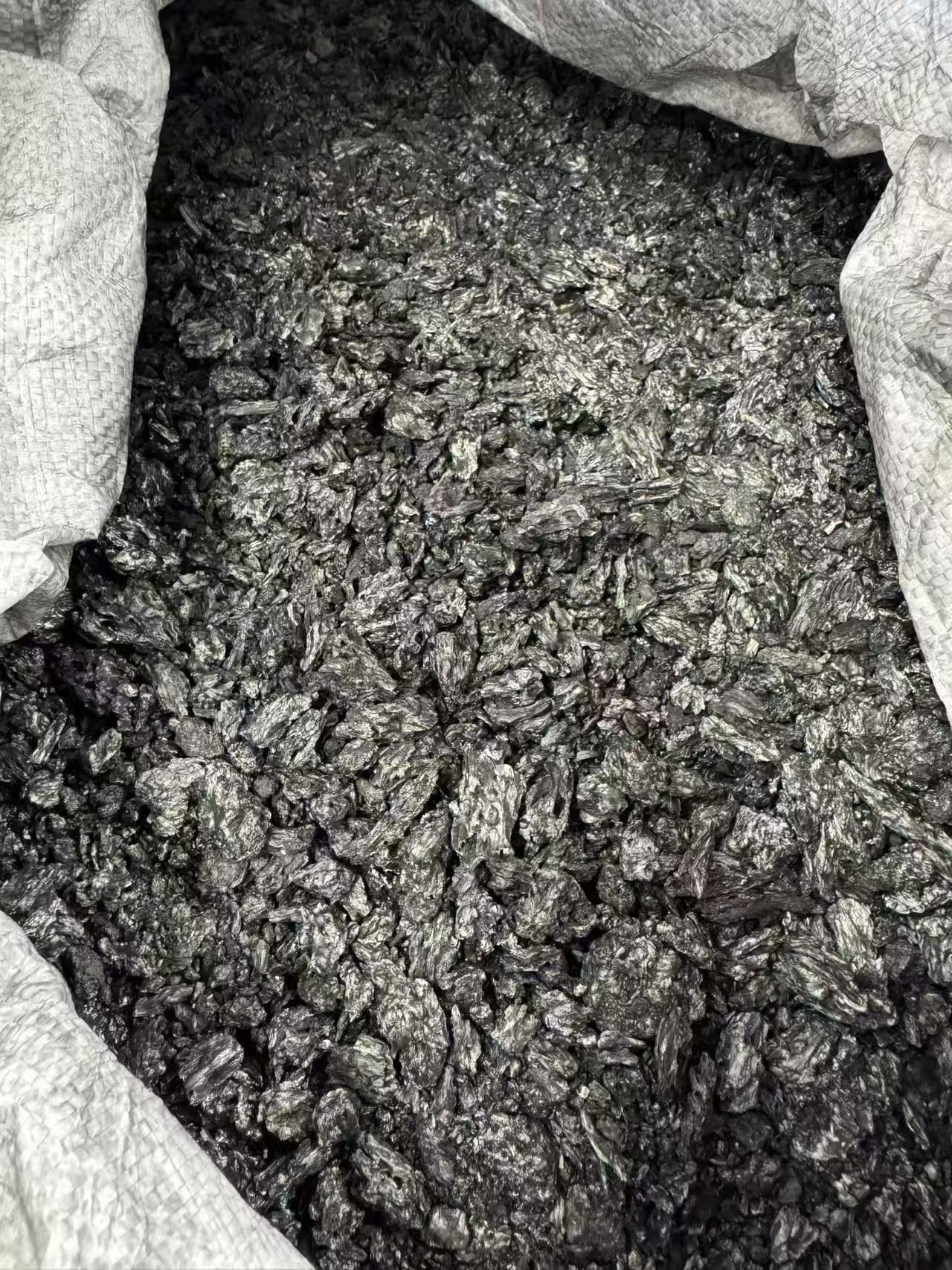
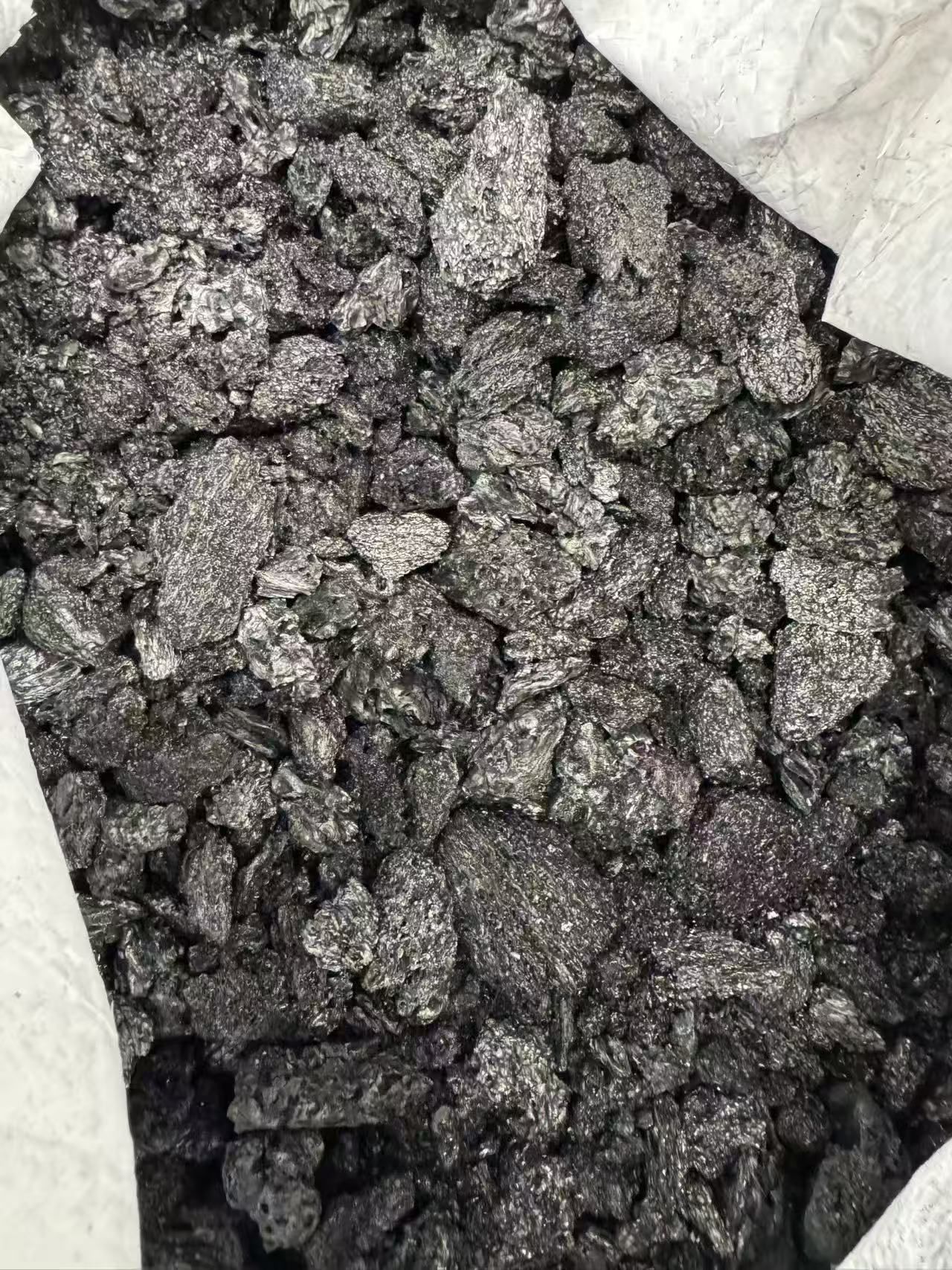
Calcined needle coke is a highly crystalline carbon material produced by delayed coking of petroleum-derived heavy oils (e.g., FCC decant oil, furfural extract oil) or coal tar pitch to obtain green coke, followed by high-temperature calcination in a rotary kiln at 1300°C–1500°C. The product exhibits a distinct needle-like/fibrous anisotropic structure, true density ≥2.13 g/cm³, coefficient of thermal expansion (CTE, room temperature to 600°C) ≤0.9–1.3×10⁻⁶/°C, and low sulfur and ash contents. Calcination removes moisture and volatiles, raising the true density of green coke from approximately 1.4 g/cm³ to above 2.13 g/cm³, while markedly improving electrical conductivity, mechanical strength, and chemical stability. Calcined needle coke is the core aggregate for high-power (HP) and ultra-high-power (UHP) graphite electrodes, and is also widely used in lithium battery anode materials and specialty graphite products.
Parameter Display
| 项目 Item | 单位 Unit | Premium Grade | Standard Grade |
|---|---|---|---|
| 真密度 True Density | g/cm³, ≥ | 2.13 | 2.13 |
| 热膨胀系数 CTE(室温~600°C) | 10⁻⁶/°C, ≤ | 0.9–1.1 | 1.1–1.3 |
| 硫 Sulphur | %, ≤ | 0.35 | 0.40 |
| 灰分 Ash | %, ≤ | 0.10 | 0.20 |
| 挥发分 Volatile Matter | %, ≤ | 0.25 | 0.40 |
| 氮 Nitrogen | %, ≤ | 0.35 | 0.50 |
| 水分 Moisture | %, ≤ | 0.10 | 0.10 |
| 振实密度 Tap Density(1–2mm) | g/cm³, ≥ | 0.90 | 0.86 |
Products Describe
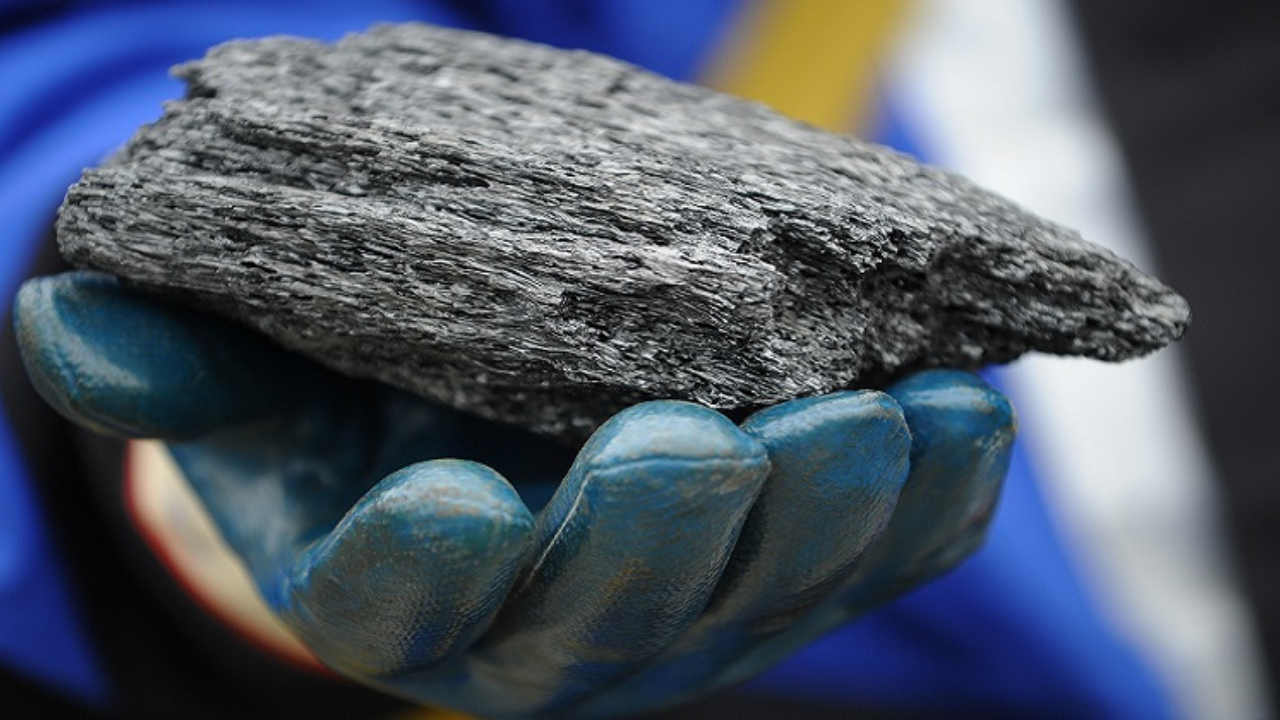
Product Overview
Calcined needle coke is a premium carbon raw material produced through a two-stage route: delayed coking followed by high-temperature calcination. Its “needle-like” character is not merely a visual description but refers to a fibrous, axially aligned anisotropic texture in the microstructure. This structure enables needle coke, after graphitization, to achieve a coefficient of thermal expansion far lower than that of ordinary calcined petroleum coke—allowing graphite electrodes to remain dimensionally stable and resist cracking under the severe thermal shock of electric arc furnaces. The essential role of calcination is to drive off volatiles and moisture from the green coke obtained by delayed coking, raising true density from approximately 1.4 g/cm³ to above 2.13 g/cm³, while completing initial structural shrinkage and densification.
Key Advantages
Ultra-Low CTE: Premium-grade CTE ≤0.9–1.1×10⁻⁶/°C, making it the irreplaceable aggregate for UHP graphite electrodes. Lower CTE means better thermal shock resistance and longer electrode service life in electric arc furnaces.
Low Sulfur and Nitrogen, Suppressed Puffing: Sulfur and nitrogen can cause irreversible volumetric expansion (“puffing”) during graphitization, leading to electrode cracking and reduced density and conductivity. Calcined needle coke controls sulfur at ≤0.35%–0.40% and nitrogen at ≤0.35%–0.50%, reducing puffing risk from the raw-material end.
High True Density: True density ≥2.13 g/cm³ indicates thorough calcination and a higher degree of graphitization potential, contributing to higher bulk density and mechanical strength in the final product.
Petroleum and Coal-Based Options: Petroleum needle coke typically offers excellent CTE performance, while coal-based needle coke has a natural advantage in low sulfur. Selection can be tailored to downstream process requirements.
Typical Applications
HP/UHP Graphite Electrodes: The core and highest-value application. UHP electrodes typically use 100% needle coke as aggregate, and HP electrodes often incorporate needle coke to enhance performance.
Lithium Battery Anode Materials: After graphitization, calcined needle coke serves as a precursor for artificial graphite anodes, where its anisotropic structure facilitates lithium-ion intercalation and de-intercalation.
Specialty Graphite Products: High-end graphite materials for semiconductor, nuclear graphite, and EDM applications.
Other Carbon Products: Some use in electrochemical containers and carbon structural components.
Manufacture Process
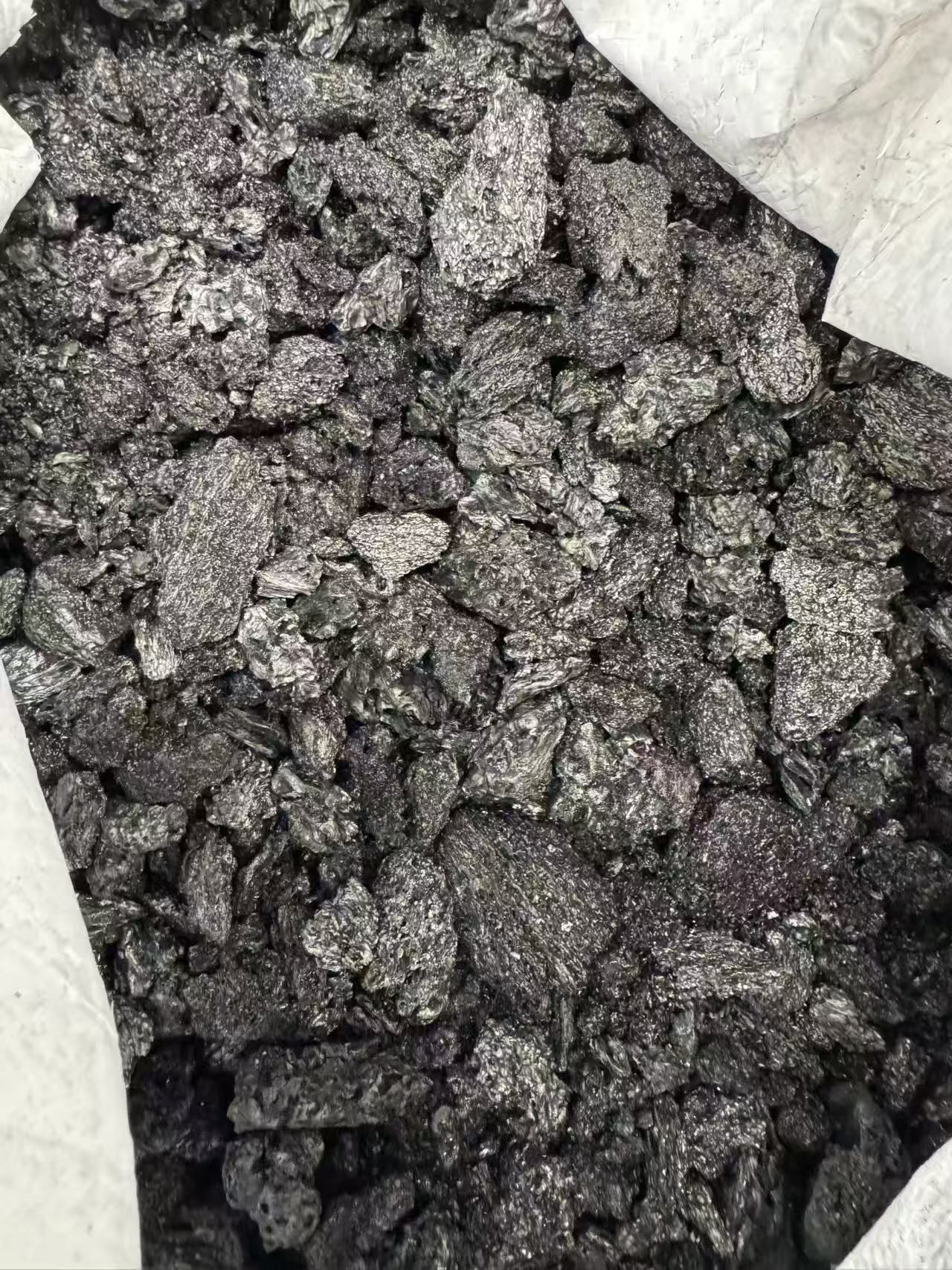
Calcined needle coke production comprises three core units: feedstock pretreatment — delayed coking — calcination, where “delayed coking determines the texture of the green coke, and calcination determines the density and final properties of the calcined coke”.
Feedstock Pretreatment: For petroleum-based needle coke, aromatic-rich heavy oils such as FCC decant oil and furfural extract oil are used after desulfurization, denitrogenation, and removal of solid impurities to control sulfur, nitrogen, and metals. For coal-based needle coke, coal tar pitch is used after solvent treatment or hydrotreatment to adjust molecular composition. Feedstock aromaticity and impurity levels directly affect the quality of the needle-like structure developed in subsequent steps.
Delayed Coking: The pretreated feedstock is rapidly heated to approximately 480°C–500°C in a furnace and charged into a coke drum, where cracking and condensation proceed at 0.3–2 MPa and roughly 400°C–600°C to form green coke. During coking, the mesophase grows and aligns directionally, generating the fibrous anisotropic texture characteristic of needle coke. Green coke has a true density of approximately 1.4 g/cm³ and still contains volatiles; it does not yet possess final service properties.
Calcination: Green coke is crushed and screened into fractions such as <15mm, 15–75mm, and >75mm, then continuously calcined in a rotary kiln. Material passes through preheating, volatile-evolution, and high-temperature calcination zones, with the hot zone reaching 1300°C–1500°C. In this range, volatiles are essentially expelled, carbon ring side-chains fracture, molecules further integrate and align, and interlayer spacing contracts. True density rises from approximately 1.4 g/cm³ to >2.13 g/cm³, while electrical conductivity, mechanical strength, and chemical stability improve markedly. The hot calcined coke is cooled in a cooling kiln and graded into finished product silos.
Cooling and Classification: Calcined coke exits the rotary kiln into a cooling kiln. The cooling method—direct water quenching versus steam/indirect cooling—affects microcrack control and impurity introduction, which in turn influence final CTE and strength. Cooled material is screened, magnetically separated for iron removal, and packaged by size fraction.
Inquire Basket (0)