The product is a high-temperature anti-oxidation coating for prebaked anodes in aluminum electrolysis. It is also described as a carbon anti-oxidation coating for aluminum electrolysis and an anti-oxidation coating for steel stubs. It is an inorganic water-based coating manufactured using a core technology in which micron-scale ceramic powders are modified with a polymer-based metallic binder.
Parameter Display
| Item | Description |
|---|---|
| Product type | High-temperature anti-oxidation coating; carbon anti-oxidation coating for aluminum electrolysis; steel stub anti-oxidation coating |
| Form | Inorganic water-based coating |
| Suitable substrates | Prebaked anodes, graphite electrodes, carbon materials for aluminum electrolysis, steel stubs |
| Curing conditions | Ambient temperature, 12–24 hours |
| Pre-sintering temperature | 300–500°C |
| Long-term high-temperature resistance | Above 900°C |
| Resistant to | High concentrations of CO₂, HF, O₂, high-temperature fluoride-containing vapors, electrolyte vapors |
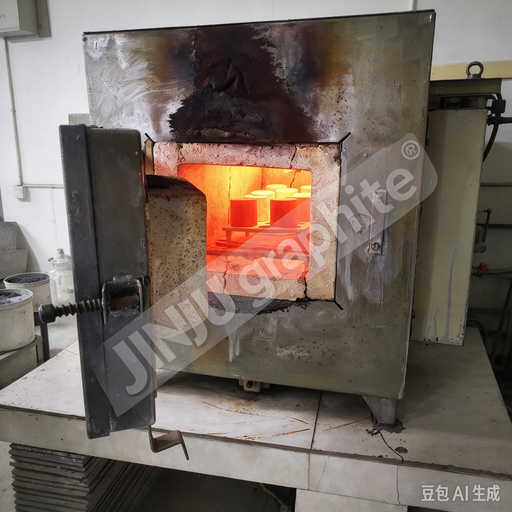
| Anti-oxidation performance | 900°C air calcination for 72 hours; weight loss approx. 1% |
| Thermal expansion | Close to that of carbon materials; less prone to spalling and cracking |
| Application method | Spraying |
| Environmental / safety | Non-toxic, harmless to humans and the environment; no adverse effect on the electrolyte system or primary aluminum quality |
| Anode application results | Anode butt thickness increased by 10–16 mm; anode change cycle extended by 1 day; carbon consumption reduced by 13–15 kg per tonne of aluminum |
| Steel stub application results | Oxidation and corrosion reduced by approx. 60%; service life doubled; iron increase in molten aluminum limited to about 300 ppm |
| Cost/benefit reference, 300,000-tpy plant | Coating cost RMB 24/t Al + labor RMB 1/t Al + equipment RMB 1/t Al = RMB 26/t Al; annual application cost RMB 7.8 million; annual carbon-consumption savings RMB 14.05 million; direct annual economic benefit RMB 6.25 million |
Products Describe
It cures at ambient temperature within 12 to 24 hours. It is easy to apply and features strong adhesion, excellent penetration, and good film-forming properties. The coating is non-toxic and suitable for high-temperature smelting applications involving graphite electrodes and carbon materials used in aluminum electrolysis. Pre-sintering can be completed at 300°C to 500°C. The coating can withstand prolonged exposure to temperatures above 900°C, while resisting attack from high concentrations of carbon dioxide (CO₂), hydrogen fluoride (HF), and oxygen (O₂). It effectively isolates conductive graphite and carbon materials from high-temperature oxidation. After 72 hours of calcination in air at 900°C, the weight loss rate is approximately 1%.
When sprayed onto the side surface of a prebaked anode carbon block, the coating forms a ceramic protective film. This film prevents attack by air, CO₂, and electrolyte vapors, thereby reducing oxidation and spalling on the carbon-block surface. Under unchanged line current, the effective conductive area at the bottom of the anode carbon block increases, and the daily height loss of the anode carbon block is reduced. Over one operating cycle, the reduction in anode height loss is roughly equivalent to about one extra day of service life. Carbon consumption in aluminum electrolysis can be reduced by 13–15 kg, without adverse effects on the aluminum electrolysis system.
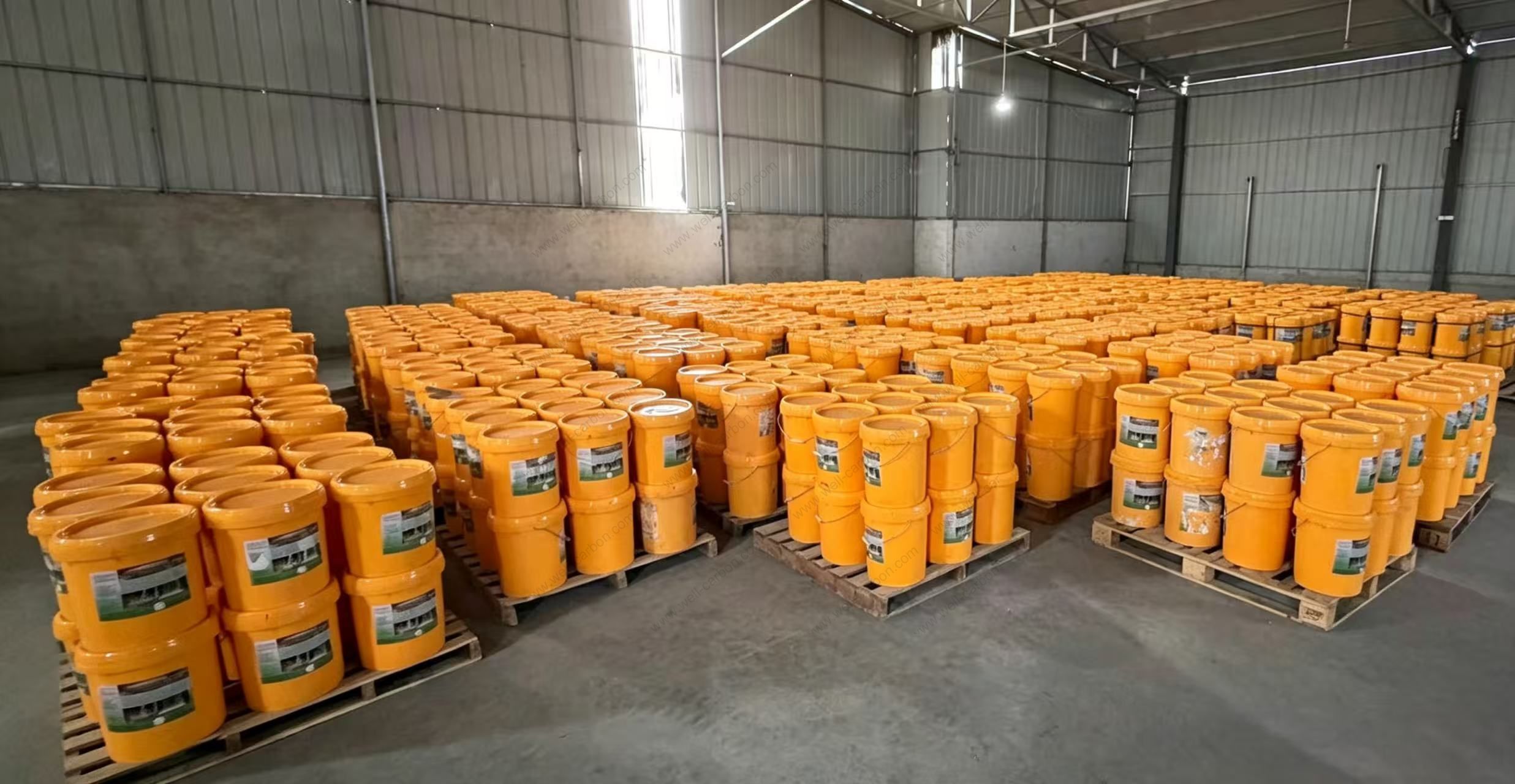
Packing and Shipping
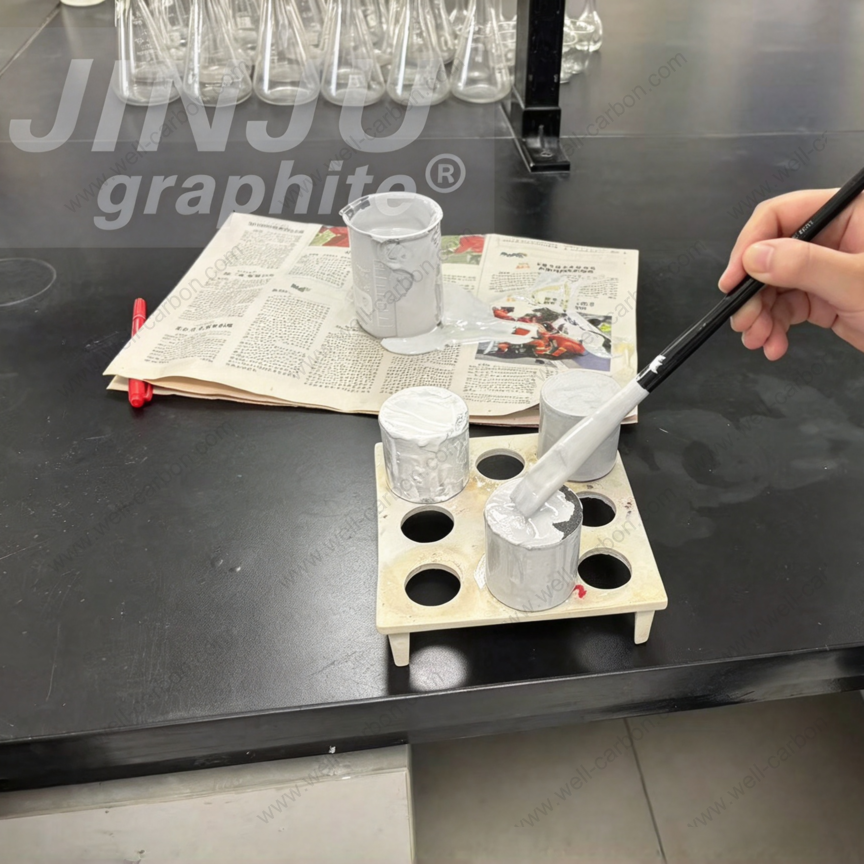
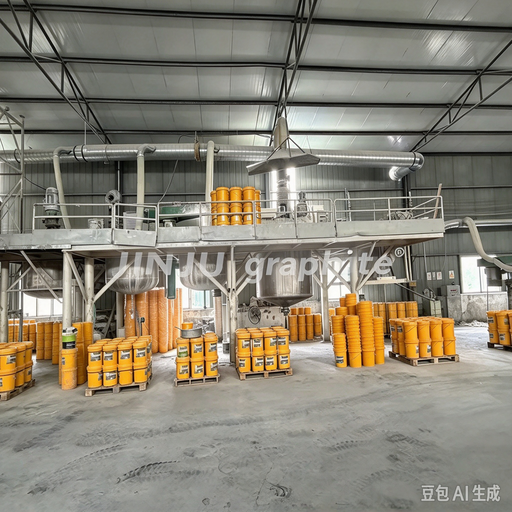
Production and Inspection Process
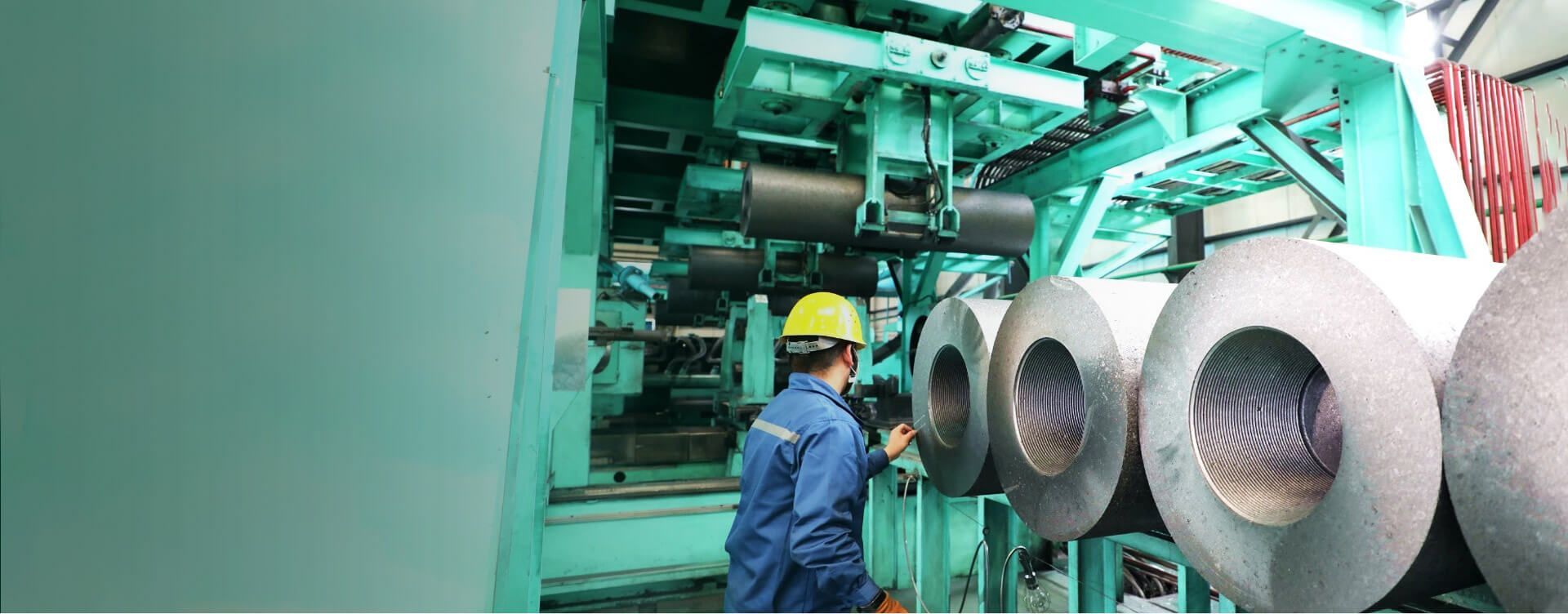
Manufacture Process
Core technology: Micron-scale ceramic powders are modified with a polymer-based metallic binder.
Coating manufacture: The product is manufactured as a carbon anti-oxidation coating for aluminum electrolysis and related high-temperature anti-oxidation coatings.
Curing: The coating cures at ambient temperature within 12–24 hours.
Pre-sintering: Pre-sintering can be completed at 300–500°C.
High-temperature service: During use, it forms a ceramic protective film that can withstand prolonged exposure above 900°C and resist attack from CO₂, HF, and O₂.
Application: It is applied by spraying to form a ceramic protective film on the side surface of the anode carbon block. It is also used for steel stub anti-oxidation protection.
Process properties: Strong adhesion, excellent penetration, good film-forming properties, thermal expansion coefficient close to carbon materials, and reduced tendency to spall or crack.
Inquire Basket (0)