Home > News > Core Value of Low-Sulfur & Low-Nitrogen Recarburizer for Clean Steel and Ductile Iron Production
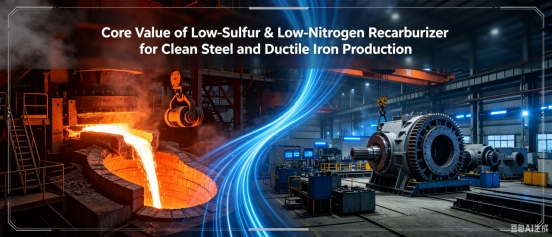
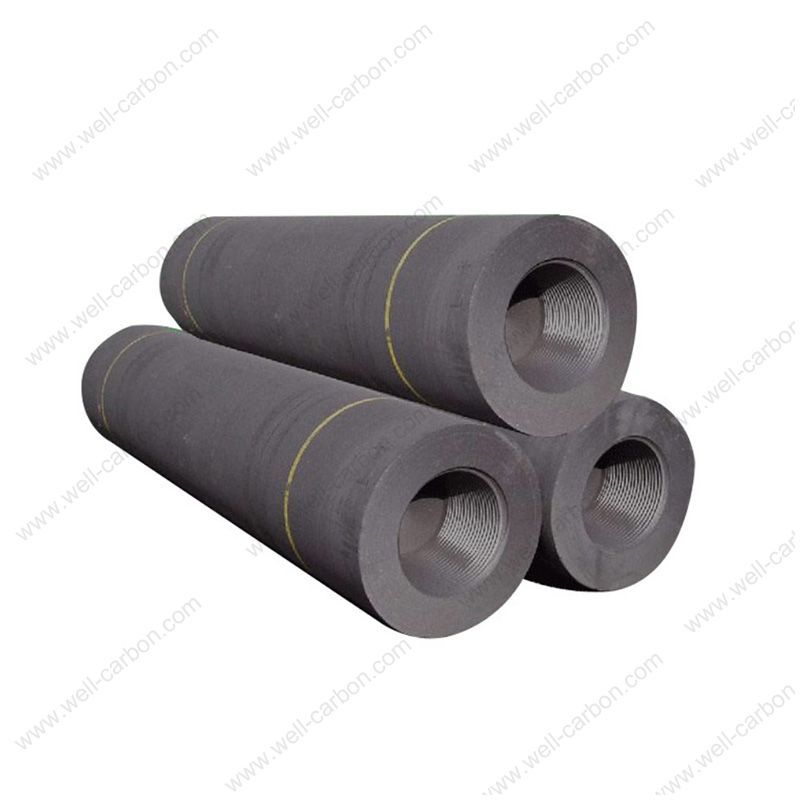
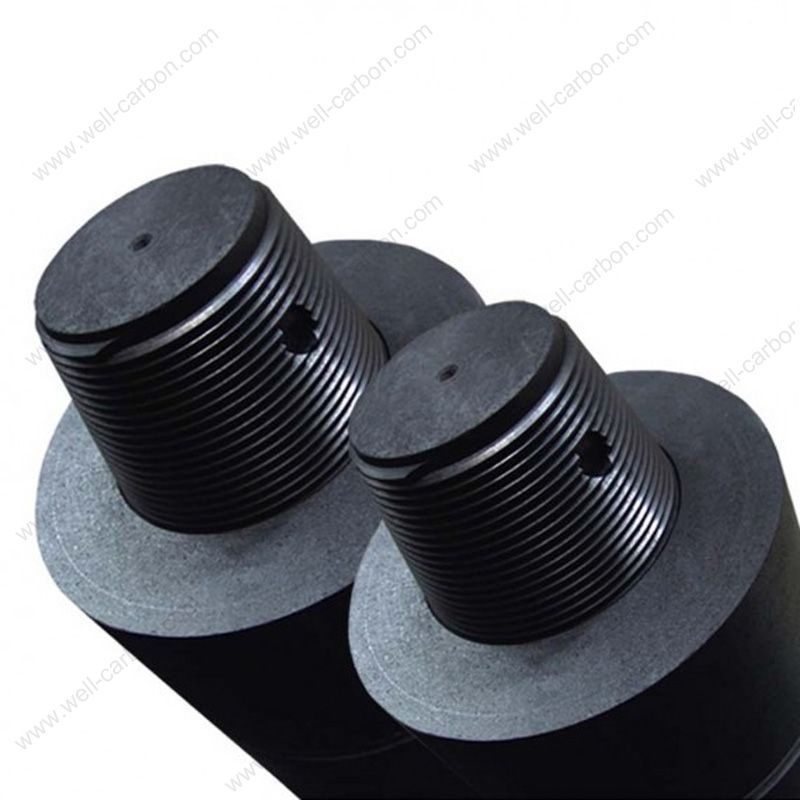
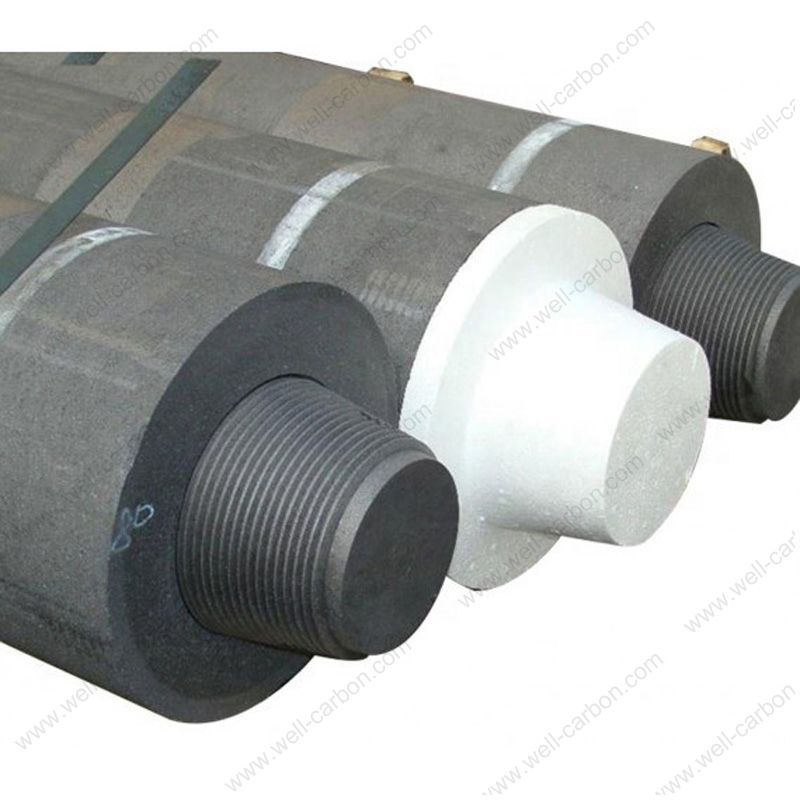
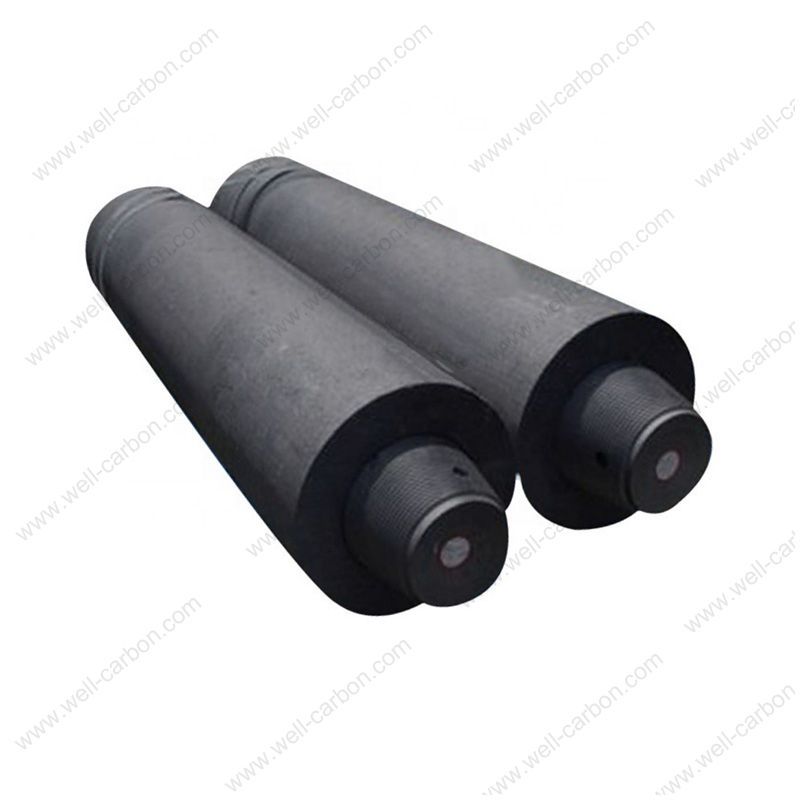
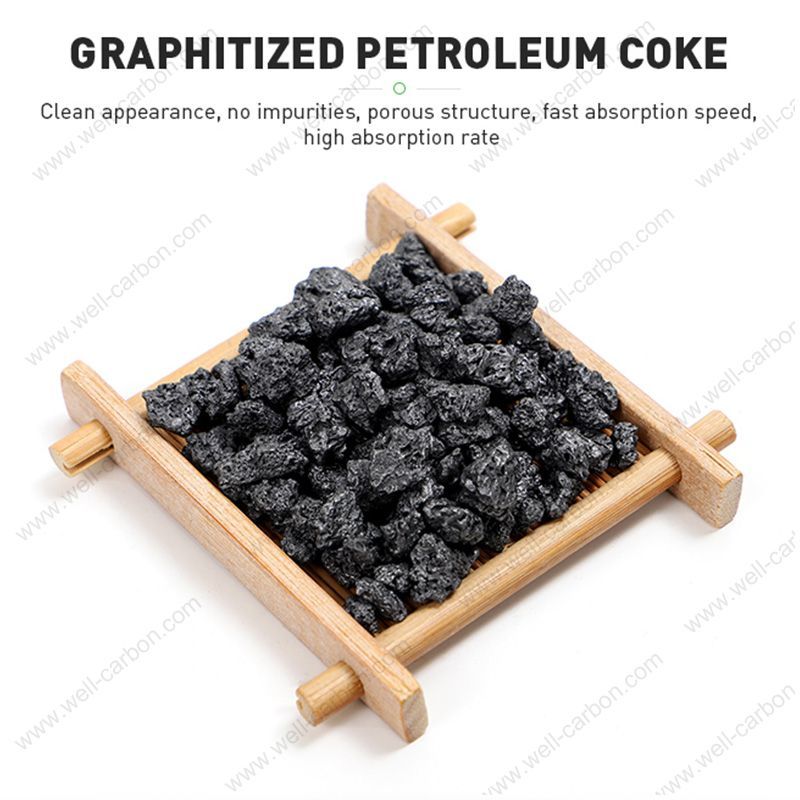
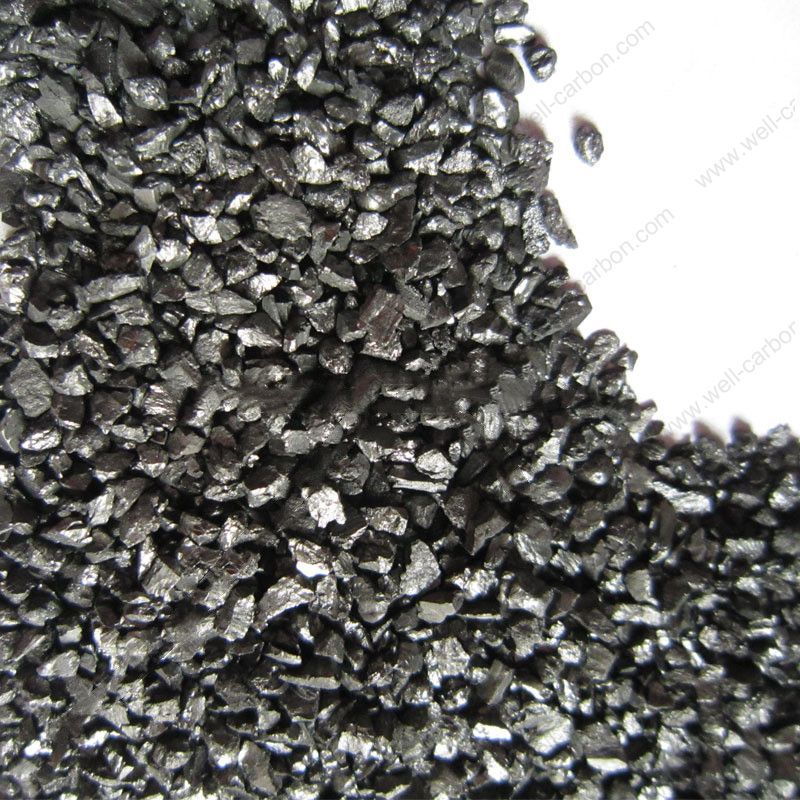
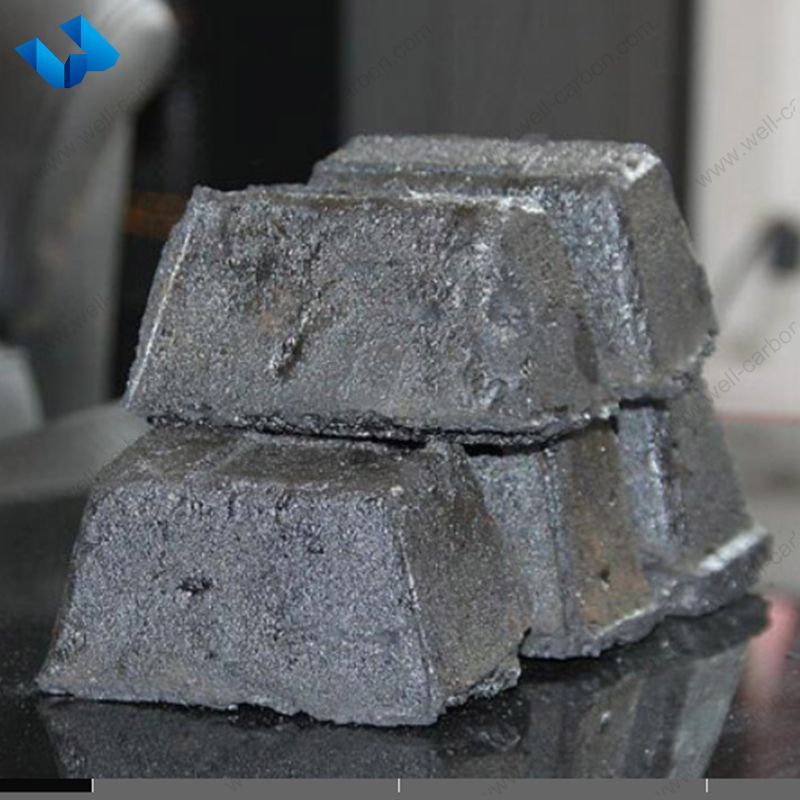
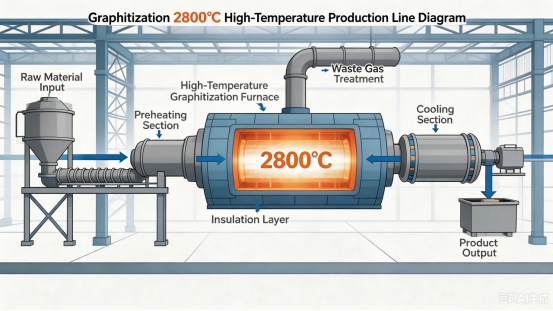
Clean steel and high-end ductile iron for wind power & new energy industry have extremely strict standards for molten metal purity. Sulfur and nitrogen are two hazardous impurities that severely damage mechanical properties and lead to unqualified non-destructive testing (NDT) results. Conventional calcined coke recarburizer contains high sulfur and nitrogen, which frequently trigger hot brittleness in steel, subcutaneous blowholes, nodularization fading and aging cracks in castings, causing mass rejection. Low-sulfur low-nitrogen graphitized recarburizer is purified at over 2800℃ ultra-high temperature. Sulfide and nitride impurities are fully decomposed and removed, featuring high fixed carbon and excellent carbon absorption rate. It is a dedicated essential raw material for clean steel and premium ductile iron manufacturing. This article elaborates its core application value from impurity hazards, product performance, production cost reduction and finished product quality.
1. Clean steel & alloy steel: Sulfur forms low-melting sulfide at grain boundaries, resulting in hot brittleness cracks, layered inclusions during rolling and heat treatment, failing NDT standards for high-end equipment parts.
2. Ductile iron: Sulfur consumes magnesium nodulizer, leading to poor nodularity, deformed graphite and reduced casting strength & elongation, failing fatigue performance of wind power castings.
1. Clean steel: Excess nitrogen causes aging blowholes and delamination, reducing steel ductility and welding performance.
2. Ductile iron: Free nitrogen in molten iron forms subcutaneous pinholes, drastically increasing rejection rate of thin-wall precision castings and resulting in rejection of export orders.
Regular calcined coke recarburizer carries S≥0.3% and N≥400ppm. Extra desulfurization, degassing agents and more nodulizer are required to offset impurities. Rework and rejection losses far exceed the price gap of recarburizers, pushing up overall production cost.
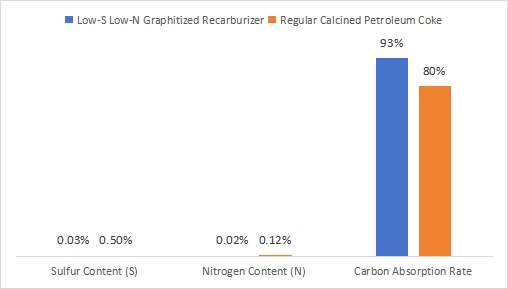
Standard specifications: Fixed carbon ≥99.0%, Sulfur ≤0.03%, Nitrogen ≤100ppm, carbon absorption rate 90%~96%.
1. Ultra-low sulfur: Organic and inorganic sulfur eliminated via ultra-high temperature graphitization, cutting nodulizer consumption by over 30%, avoiding steel hot brittleness and graphite deformation.
2. Ultra-low nitrogen: Complete denitrification eliminates blowholes and aging cracks fundamentally, greatly lifting yield of thin-wall & NDT castings.
3. Superior graphite crystal structure: Lamellar graphite has great wettability with molten metal, maintaining high absorption rate under medium-low temperature medium-frequency furnace, reducing feeding dosage and total carbon consumption.
4. Low ash & volatile matter: No extra impurities introduced, stable molten metal purity and easy process control.
1. Quality advantage: Strict control of total sulfur & nitrogen eliminates sulfide/nitride inclusions, improving steel ductility, toughness and weldability to meet Level 1 NDT standards for military, construction machinery and pressure vessels.
2. Process advantage: Complicated secondary refining desulfurization & denitrification procedures can be simplified, shortening refining cycle and boosting EAF production efficiency.
3. Cost advantage: Less alloy auxiliary consumption, lower rejection rate and reduced after-sales compensation.
1. Metallographic advantage: Low-sulfur environment stabilizes magnesium nodulizer performance, producing round tiny graphite to improve tensile strength, elongation and anti-fatigue property for heavy-load wind power components.
2. Surface & NDT advantage: No subcutaneous blowholes or internal pinholes, smooth thin-wall casting surface and zero NDT defects, complying with export inspection standards.
3. Production advantage: Stable carbon absorption under low furnace temperature, easy carbon equivalent adjustment, reducing misrun and shrinkage porosity defects caused by carbon fluctuation.
1. Low-sulfur low-nitrogen graphitized recarburizer is mandatory for NDT-qualified clean steel, special alloy steel, wind power and export ductile iron to control impurity sources from raw material end.
2. Never select recarburizer merely by unit price. Low-sulfur low-nitrogen recarburizer delivers better long-term comprehensive cost after calculating nodulizer, degassing agent, rejection loss and energy consumption.
3. Conventional calcined coke is acceptable for ordinary gray iron and low-end counterweight castings; high-sulfur high-nitrogen recarburizer is forbidden for high-purity production lines.
Search Blog