Home > News > How to Improve Low Recarburizer Recovery and Reduce Carbon Fluctuations in Molten Steel
In steelmaking processes such as electric arc furnaces, induction furnaces and ladle furnace refining, recarburizers are widely used to adjust the carbon content of molten steel. However, low recarburizer recovery and large carbon fluctuations are common problems in practice. These issues increase consumable costs, prolong refining time, and may even cause off-specification heats. A systematic improvement must address steel oxidation, slag condition, recarburizer quality, particle size, addition practice and process control.
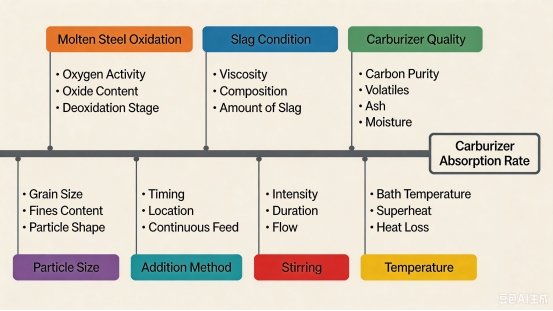
Dissolved oxygen in molten steel and FeO/MnO in slag are the key factors affecting recarburizer recovery. Carbon added to the bath preferentially reacts with dissolved oxygen to form CO, or reacts with oxidic slag components at the steel-slag interface. If deoxidation is insufficient, a large portion of the carbon is oxidized before it can dissolve, resulting in a significant drop in recovery.
Low fixed carbon, high ash, high volatile matter and excessive moisture reduce the effective carbon content. Ash increases slag volume, while moisture can increase hydrogen pickup. Sulfur and nitrogen impurities may also affect the final steel quality. Batch-to-batch variation in recarburizer quality further destabilizes carbon control.
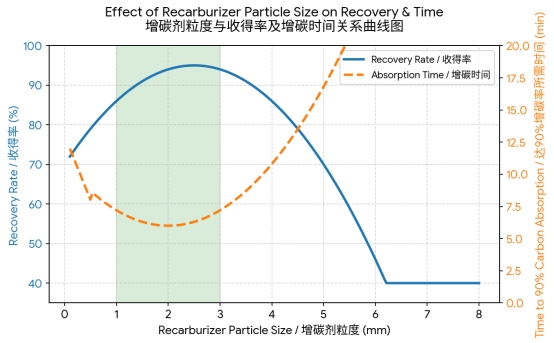
If the particle size is too fine, the recarburizer may be extracted by the dedusting system or float on the slag surface and be oxidized. If it is too coarse, dissolution is slow and incomplete within the available refining time, leading to variable carbon recovery between sampling and tapping.
When recarburizer particles remain on the slag surface, they can be entrapped by a viscous slag layer and have poor contact with molten steel. Without bottom argon stirring or electromagnetic stirring, carbon particles are not effectively drawn into the bath, and recovery decreases.
Late carbon addition during refining leaves insufficient time for dissolution and homogenization. A single large addition can also cause local temperature drop, agglomeration and oxidation losses.
End-point carbon and oxygen should be strictly controlled, and pre-deoxidation should be completed before tapping. For highly oxidized steel, deoxidizers such as aluminum, calcium silicon or silicon carbide should be added first to reduce dissolved oxygen. Slag deoxidation should also be performed, with FeO+MnO in the refining slag preferably kept below 1.0%. Recarburization after effective deoxidation minimizes carbon loss through oxidation.
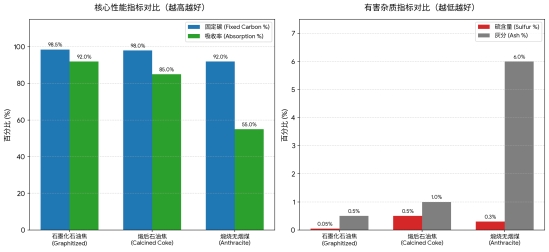
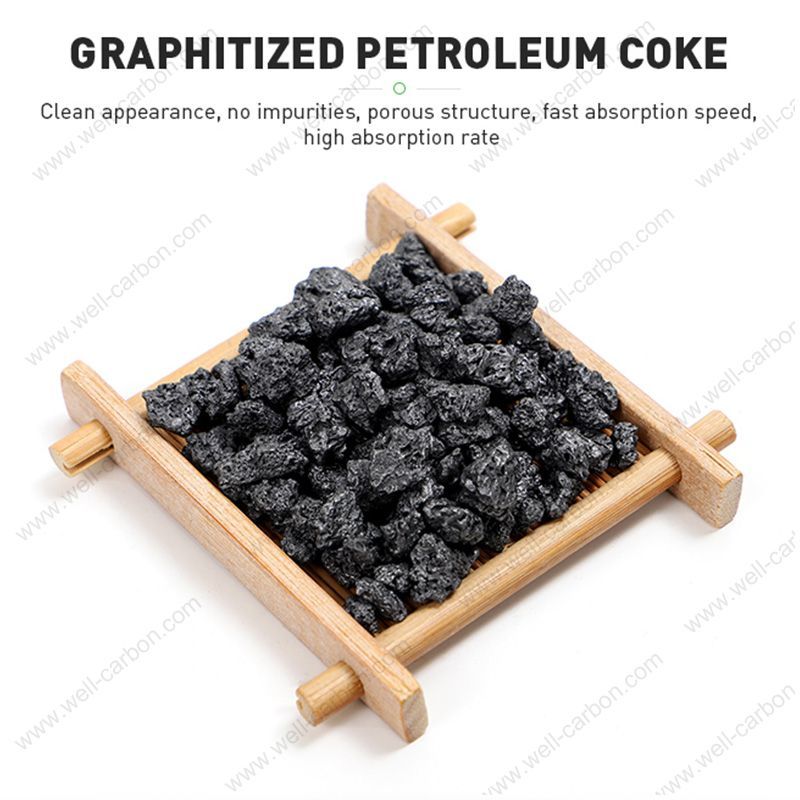
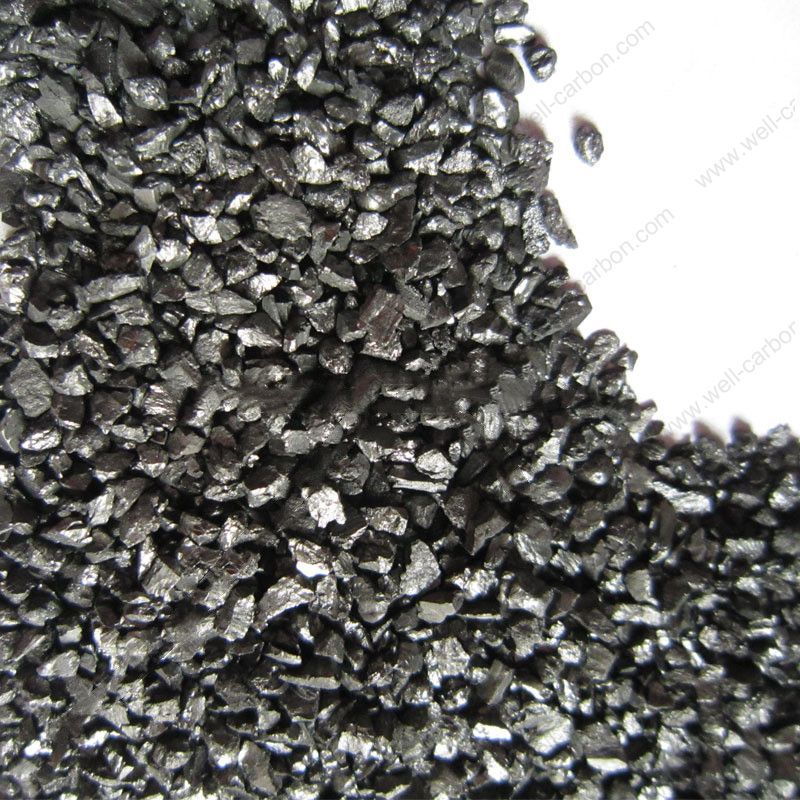
Choose recarburizers with high fixed carbon, low ash, low moisture and low volatile matter. Graphitized petroleum coke, calcined petroleum coke and high-quality anthracite are common choices. For most steelmaking operations, a fixed carbon content of at least 95%, ash not more than 1.5%, moisture not more than 0.5%, and volatile matter not more than 1.0% are recommended. Sulfur content should be controlled according to the steel grade. Consistent supplier quality is essential for stable recovery.
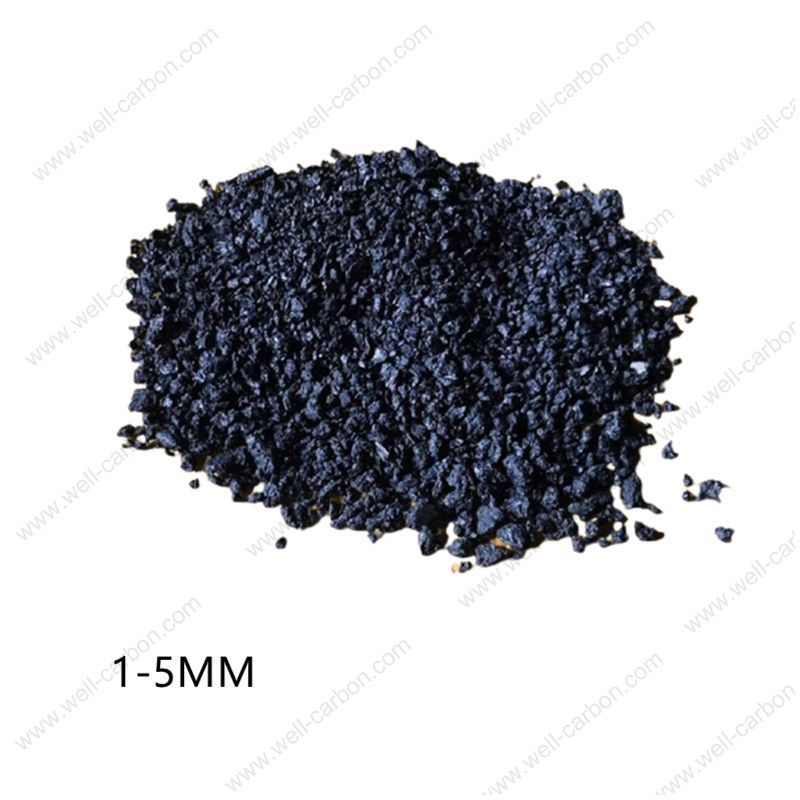
For direct addition in induction furnaces and electric arc furnaces, a particle size of 1–5 mm is commonly used. For ladle furnace refining with a high-level bin, 0.5–3 mm particles are suitable when combined with bottom argon stirring. Fine powders may be used for injection or addition into a tapping stream, but dust extraction losses must be avoided. The optimal particle size should be determined by plant trials.
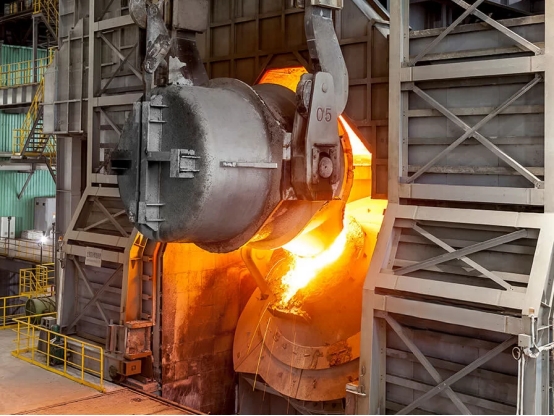
Recarburizer should be added in divided batches, at multiple points, or into a high-turbulence zone:
With scrap:Place part of the recarburizer at the furnace bottom or between scrap layers so that it dissolves gradually during melting.
During tapping:Add into the tapping stream impact zone to use the turbulent flow for rapid mixing.
During refining:Add in the early-to-mid refining period after good deoxidation and slag conditioning, avoiding late additions.
A single large addition should be avoided. Each addition should be calculated based on target carbon, current carbon and actual recovery, leaving a small margin for final adjustment.
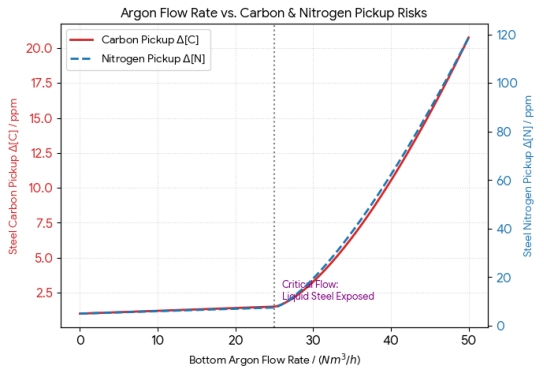
Bottom argon stirring is an effective way to improve recarburizer recovery in ladle refining. The argon flow should be adjusted to promote mixing without excessive exposure of the steel surface. In induction furnaces, electromagnetic stirring should be used, and manual pushing or slag-coating practice can be applied if necessary to prevent carbon particles from floating on the slag.
Slag basicity and fluidity should be optimized to prevent oxidized slag from entering the ladle. Slag-free tapping or effective slag skimming should be practiced. The refining slag should have good foaming and arc-coverage behavior while remaining sufficiently fluid. Recarburizer should be kept away from the slag layer and added directly into the steel bath or tapping stream.
Collect recovery data for different steel grades, deoxidation practices and recarburizer batches, and build an empirical recovery table or simple model. Accurate weighing before addition and representative sampling are essential. Based on the first sample result, subsequent carbon additions should be quickly corrected to reduce variation. Online carbon determination or spectrometer analysis can shorten the feedback loop for critical grades.
Deoxidation sequence, recarburizer addition amount, addition time and stirring intensity should be included in standard operating procedures. Operator training and strict implementation reduce human error and improve consistency.
By applying the above measures, most plants can increase recarburizer recovery by 5–15 percentage points and significantly improve final carbon control accuracy. Recarburizer consumption decreases, refining time is shortened, and the hit rate for steel composition is improved, creating better conditions for stable continuous casting and grade development.
Low recarburizer recovery and large carbon fluctuations are caused by multiple interacting factors, including steel oxidation, slag condition, recarburizer quality, particle size and addition practice. Only through systematic optimization of oxygen control, material selection, slag management, addition method, stirring and process feedback can stable recarburizer recovery and precise carbon control be achieved.
Search Blog