Home > News > Three Functions of Graphite Blocks in Steelmaking: Thermal Insulation, Carbon Adjustment, and Temperature Rise
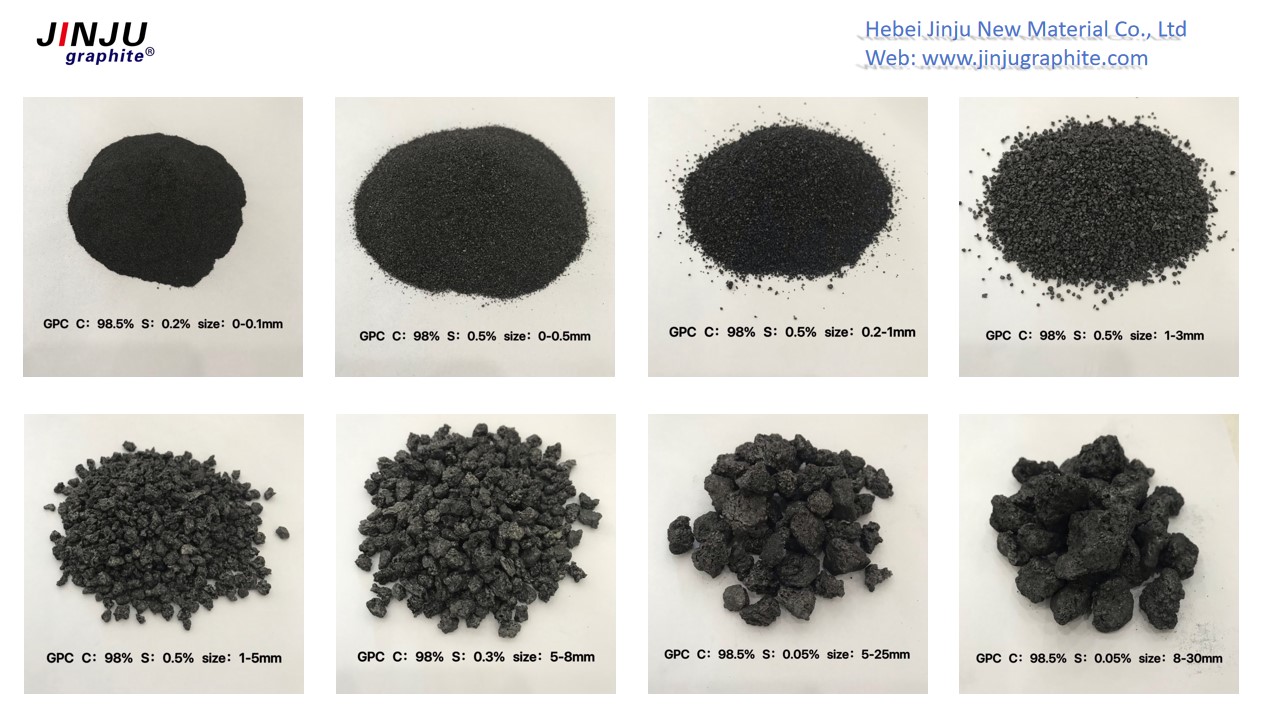
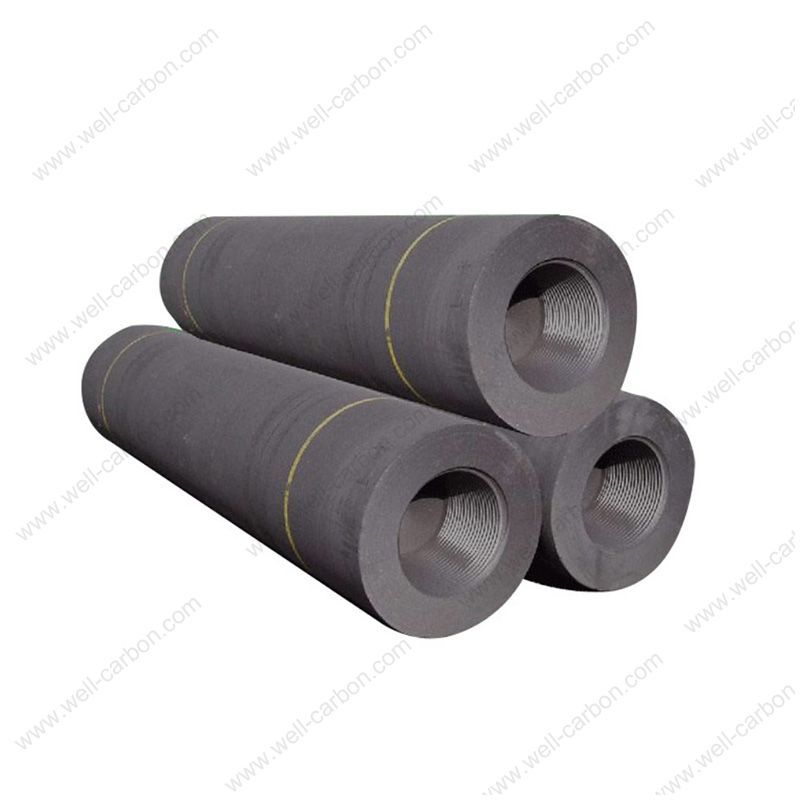
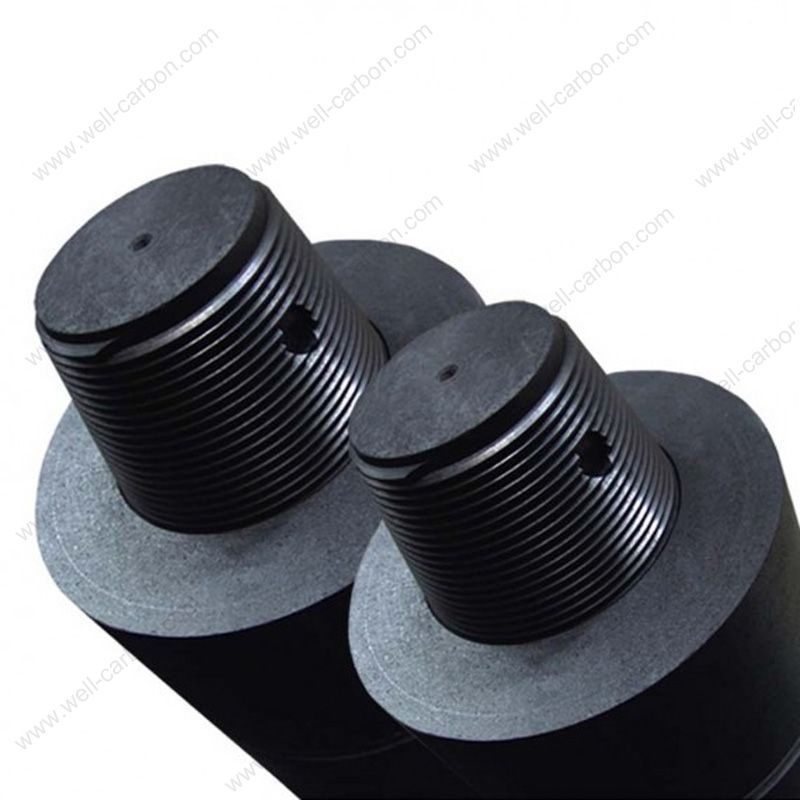
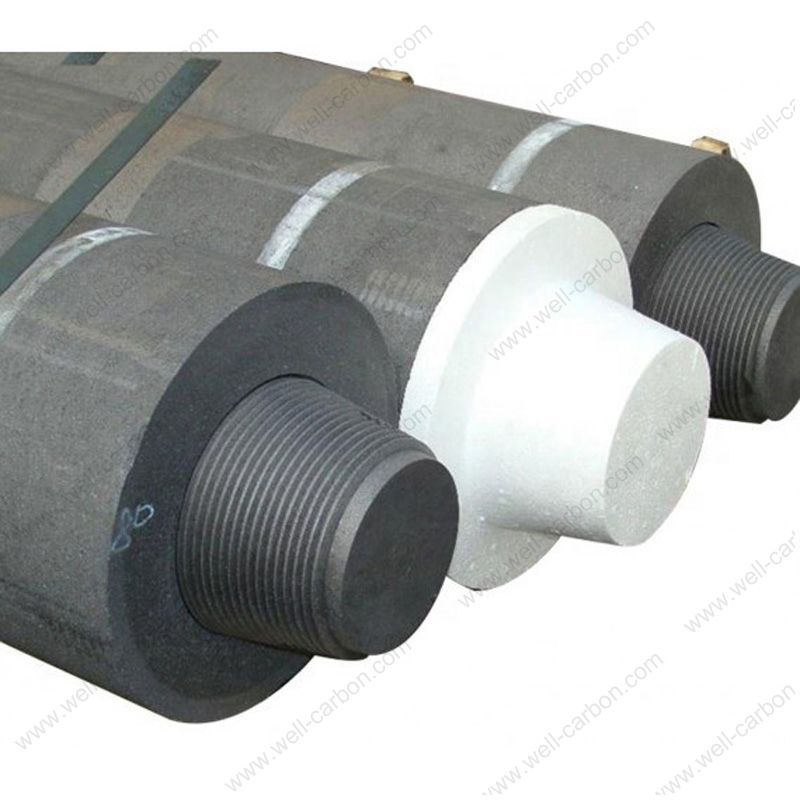
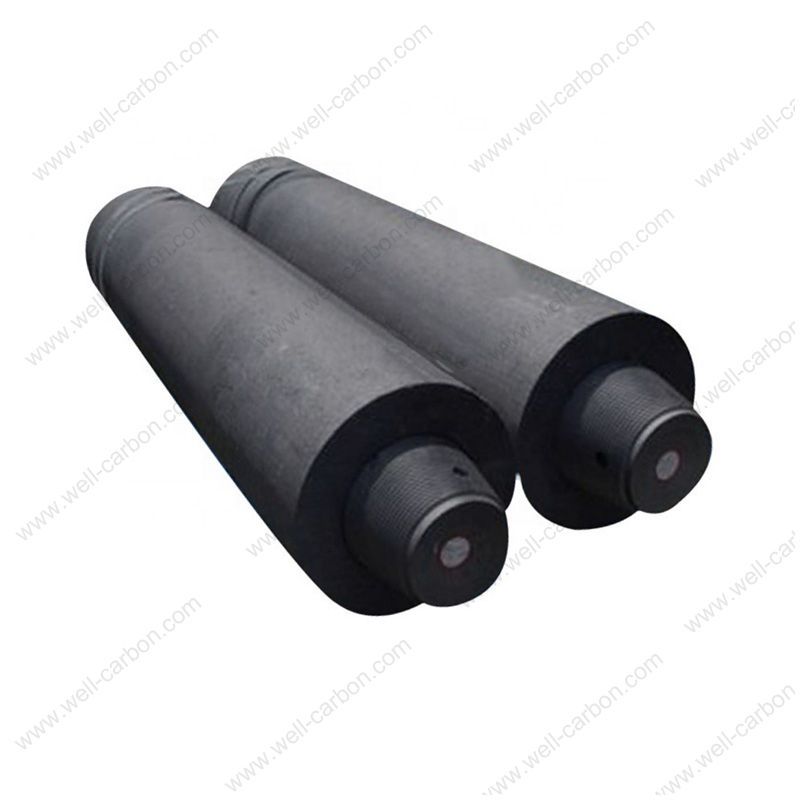
In electric arc furnace (EAF) steelmaking and ladle refining, molten steel faces two core challenges between tapping and casting: continuous heat loss and composition fluctuation. Temperature drop directly affects the casting temperature window and continuous casting rhythm, while precise carbon control determines the mechanical properties and metallurgical quality of the final product. In recent years, graphite blocks and graphite-based materials have seen expanding application in steelmaking, demonstrating significant technical advantages in ladle thermal insulation, carbon adjustment, and melt temperature rise. This article provides a systematic analysis of these advantages based on metallurgical mechanisms and industrial practice data.
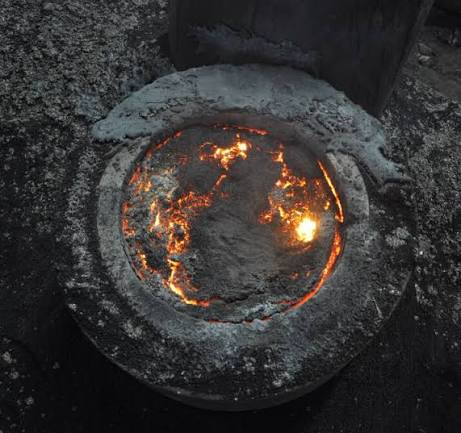
Heat loss from molten steel in a ladle occurs primarily through wall conduction and surface radiation. Research shows that a ladle without an insulating layer experiences approximately 31°C temperature drop over 1.8 hours of residence time; adding a 20 mm insulating layer reduces heat loss per unit time by approximately 19.26%, lowering the temperature drop to about 25°C. Graphite materials contribute to insulation in two ways:
(1) Graphite-based covering agents reduce surface radiation loss. Covering agents composed primarily of graphite powder form a low-thermal-conductivity, high-density insulating layer on the molten steel surface, effectively blocking radiative heat transfer to the atmosphere. Graphite-based covering agents do not adhere to the ladle or form slag buildup, increasing ladle turnover frequency and creating a more favorable window for subsequent desulfurization operations. Compared with traditional carbonized rice husk covering agents, graphite-based agents have higher specific gravity, are less likely to be scattered by the steel stream, and offer more stable insulation performance.
(2) Graphite-containing refractories enhance ladle lining insulation. Magnesia-carbon refractories containing graphite are widely used as ladle working linings due to their excellent thermal shock resistance and slag erosion resistance. Graphite's low wettability prevents slag from spreading on the lining surface, reducing chemical attack on the lining. The application of carbon-containing refractories in ladle linings not only extends lining life but also indirectly improves molten steel insulation by optimizing the heat conduction path through the lining.
Carbon addition is an indispensable step in steelmaking, particularly during EAF tapping and LF refining, where precise carbon control directly determines final product consistency. Graphite blocks and graphite-based carburizers offer the following core advantages:
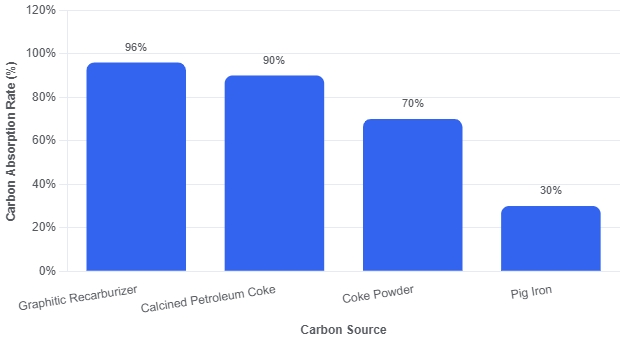
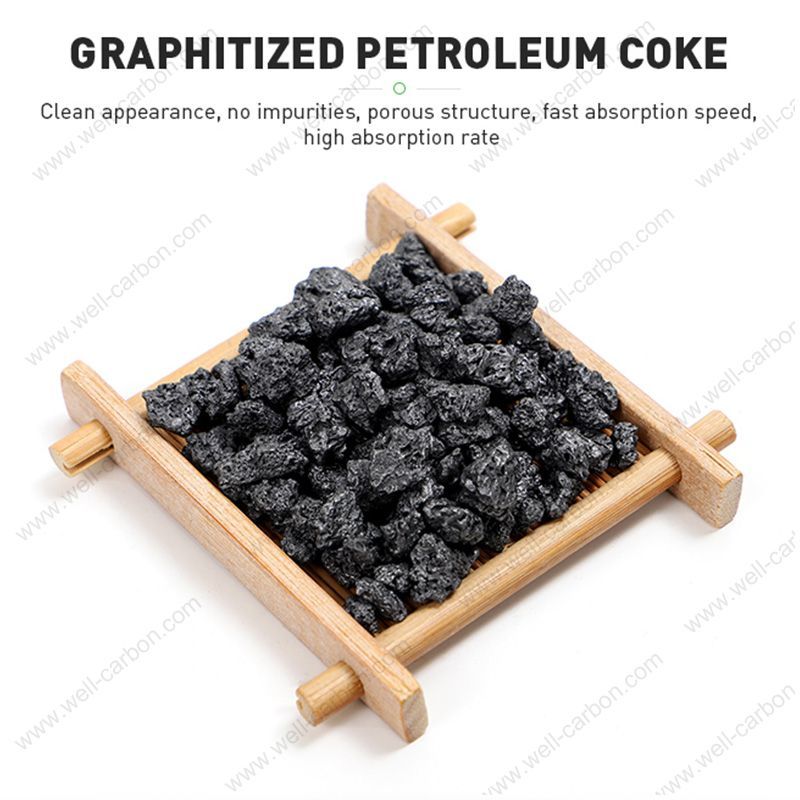
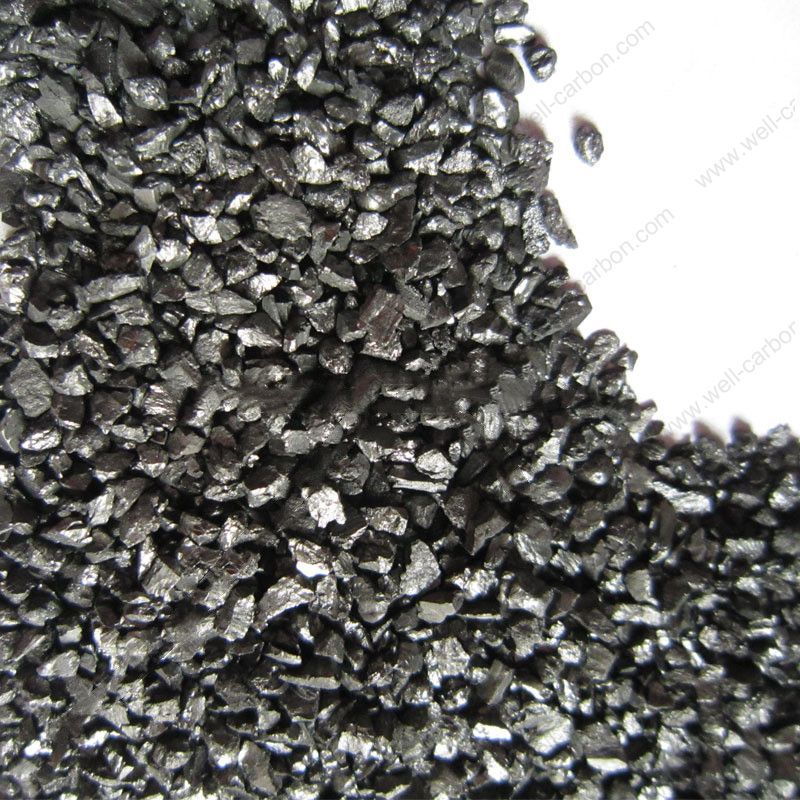
(1) Graphitized structure delivers higher carbon recovery. Graphite-based carburizers undergo graphitization at 2500–3000°C, transforming carbon atoms into a layered graphite crystal structure. This structure provides better wettability and faster dissolution kinetics in molten steel. At equivalent carbon content, materials with higher graphitization degrees dissolve faster and achieve higher absorption efficiency — two carburizers with identical 98.5% carbon content can differ by several times in dissolution kinetics. Micro-powder graphite carburizers achieve carbon recovery rates exceeding 96%, approximately 25% higher than coke powder carburizers and 5%–8% higher than calcined coal and pitch coke carburizers.
(2) Graphite-based carburizers offer low sulfur and low nitrogen purity. Graphitized carburizers typically contain sulfur below 0.05% and extremely low nitrogen, making them suitable for bearing steel, gear steel, spring steel, and high-strength alloy steel. At steel temperatures of 1500–1650°C, graphite-based carburizers rapidly wet and dissolve, achieving stable carbon recovery of 90%–95%. With argon stirring, carbon content deviation can be controlled within ±0.02%.
(3) Dissolution mechanism supports stable carbon adjustment. Molecular dynamics simulations show that elevated temperatures promote graphite dissolution in liquid iron. Above 2000K, carbon atoms in the graphite prism model can be stripped as single atoms, diatomic chains, and triatomic chains, diffusing into the melt and significantly increasing carbon saturation. This mechanism indicates that graphite-based carburizers offer controllable dissolution under steelmaking temperatures, making them the preferred carbon source for fine carbon adjustment during refining.
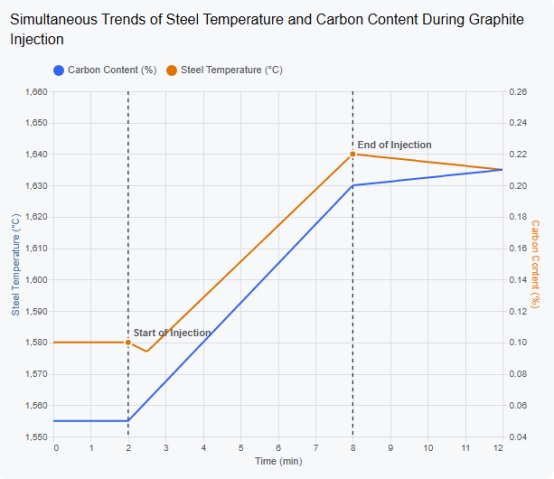
Graphite blocks do not directly "heat" molten steel; instead, their carbon content participates in oxidation-reduction reactions within the melt, releasing chemical heat and raising bath temperature. The metallurgical principles are as follows:
(1) Carbon-oxygen reaction releases heat to raise bath temperature. When graphite blocks are added to the melt, their carbon reacts with dissolved oxygen to form CO, releasing substantial heat, raising bath temperature while simultaneously removing free oxygen. Industrial test data show that injecting graphite powder at 4.1 kg/min raises the bath temperature to 1585°C with a carbon content of 1.08%. This process combines carbon addition, deoxidation, and temperature rise in a single operation.
(2) Synergistic effect of hard graphite in carbon addition and temperature rise. Studies on hard graphite application in top-blown oxygen open-hearth furnaces demonstrate that graphite's petrographic crystalline structure exhibits favorable fracturing behavior at high temperatures, enabling simultaneous carbon addition and temperature rise. By determining optimal addition temperature and timing, the carbon-oxygen reaction heat effectively compensates for temperature losses during smelting. This technical approach also holds reference value for converter tapping with residual oxygen.
(3) Temperature compensation in ladle refining. During LF refining, graphite electrode arc heating is the primary means of temperature rise, but unintended carbon pickup from electrode erosion by molten steel poses a control challenge. In this context, rational use of the carbon-oxygen reaction heat from graphite-based carburizers can compensate for temperature loss while adding carbon, reducing arc heating time and lowering electrode consumption and power costs.
Insulation applications: The particle size, spreadability, and layer thickness of graphite-based covering agents should be optimized according to ladle capacity and residence time to ensure continuous, exposed-free coverage.
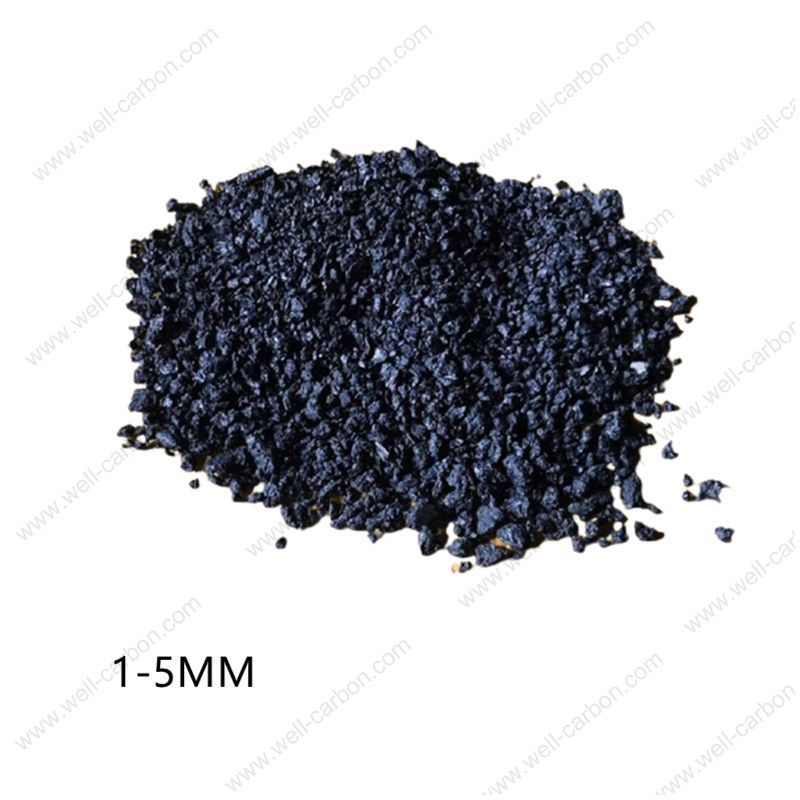
Carbon adjustment applications: Carburizer particle size should be controlled at 1–5 mm; fines scatter easily while coarse particles dissolve slowly. Addition can be performed with the steel stream during tapping or assisted by bottom argon stirring at the LF station.
Temperature rise applications: The addition rate and quantity of graphite blocks should match the dissolved oxygen content and temperature target of the steel to avoid carbon overshoot. Optimal addition temperature is recommended at 1540–1560°C.
Graphite blocks and graphite-based materials play an irreplaceable role in steelmaking insulation, carbon adjustment, and temperature rise. Their high graphitization structure delivers high carbon recovery, their low sulfur and low nitrogen purity ensures clean steel quality, and the exothermic carbon-oxygen reaction provides a metallurgical advantage for temperature compensation. As clean steel production requirements continue to intensify, the depth and breadth of graphite material applications in steelmaking will further expand.
Search Blog