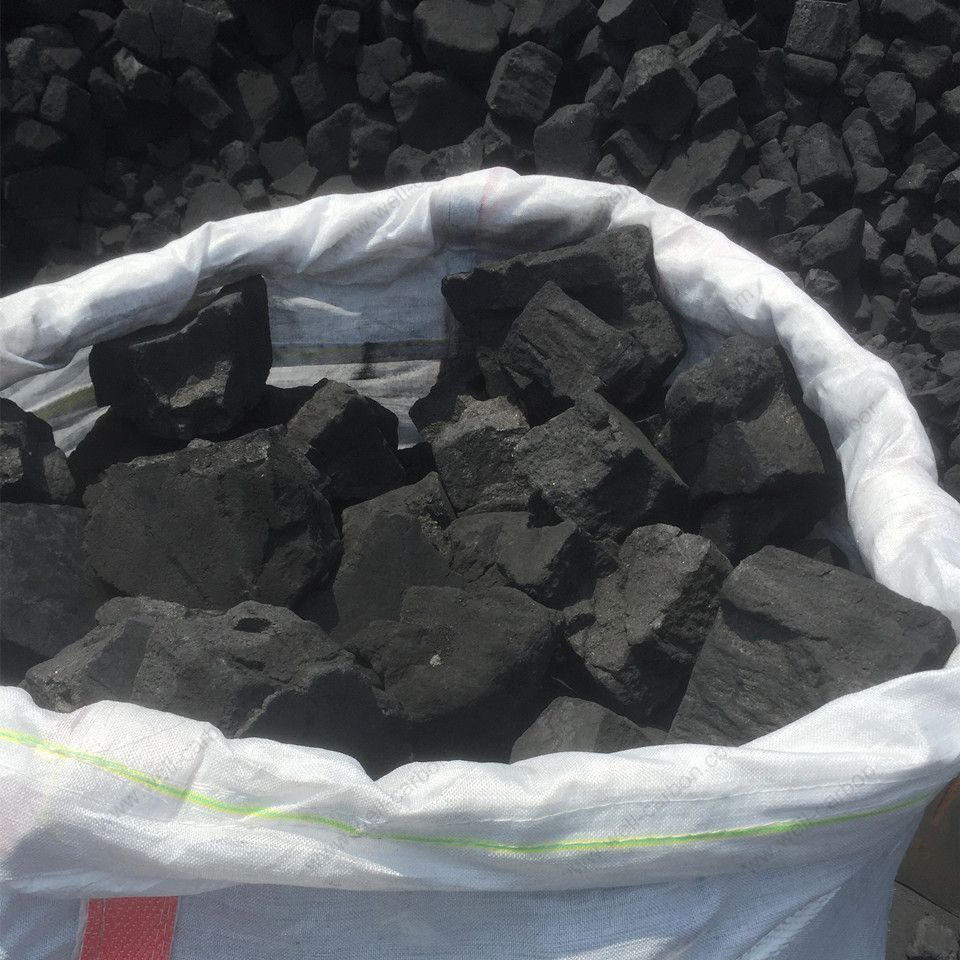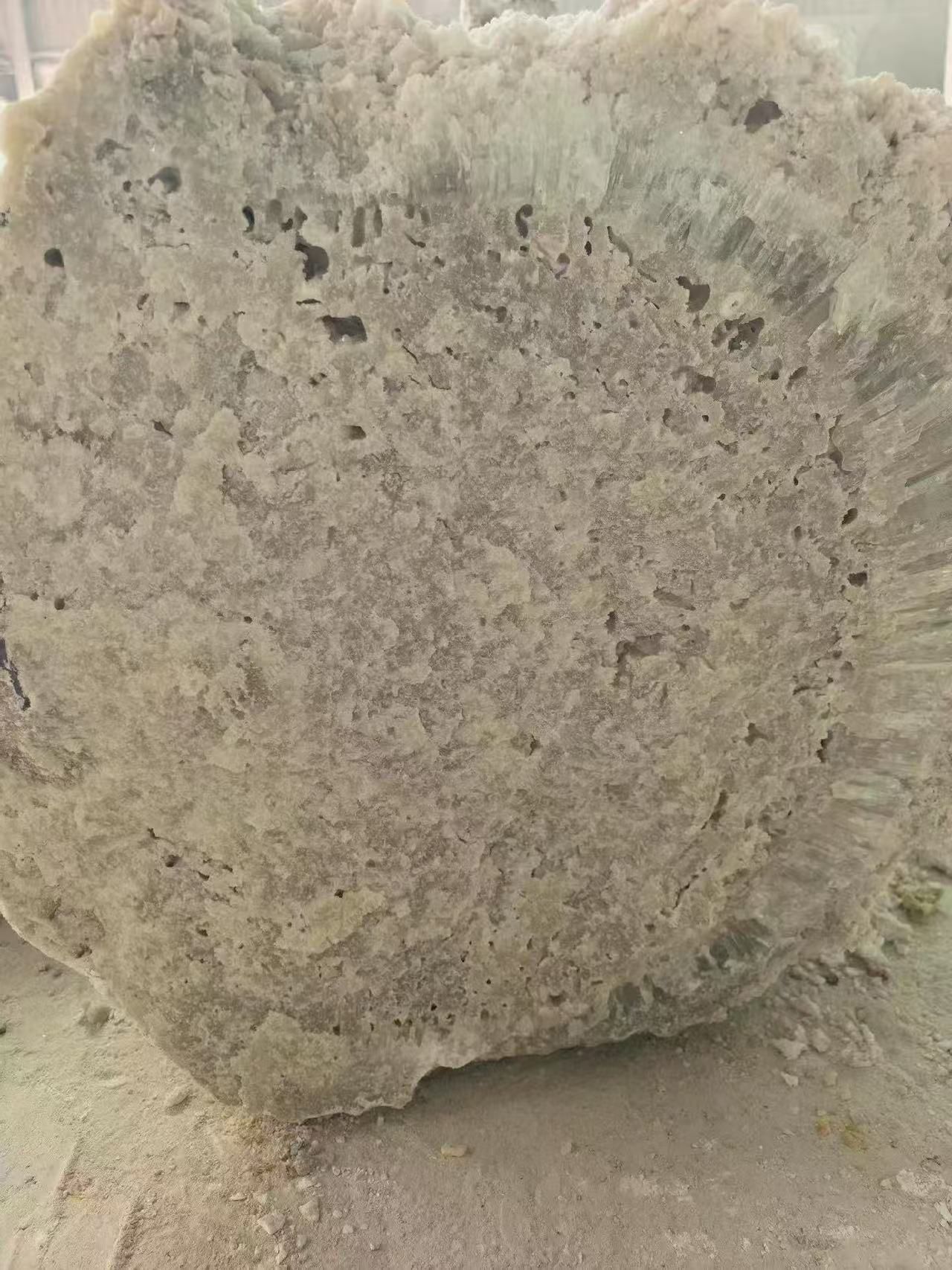
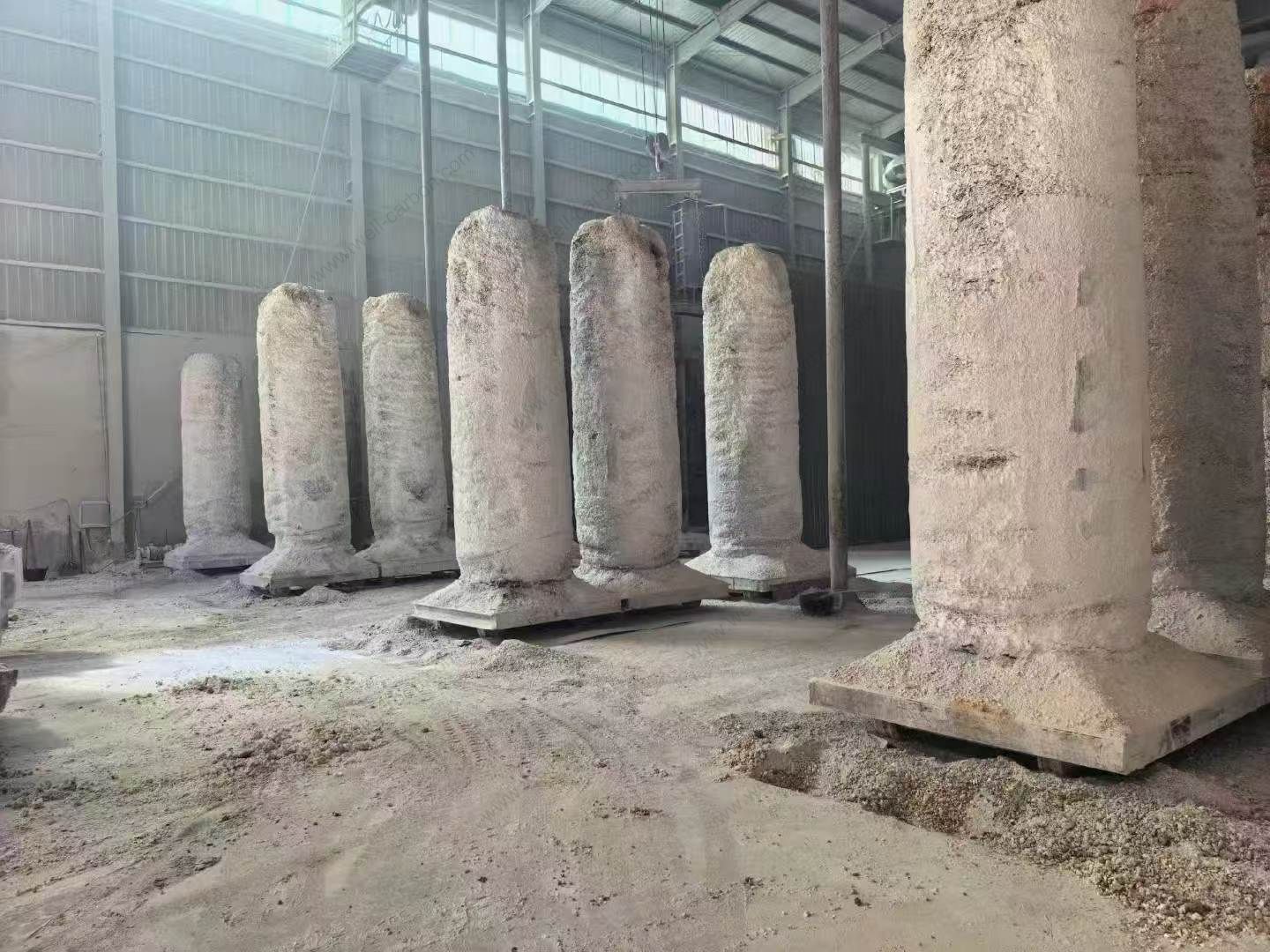

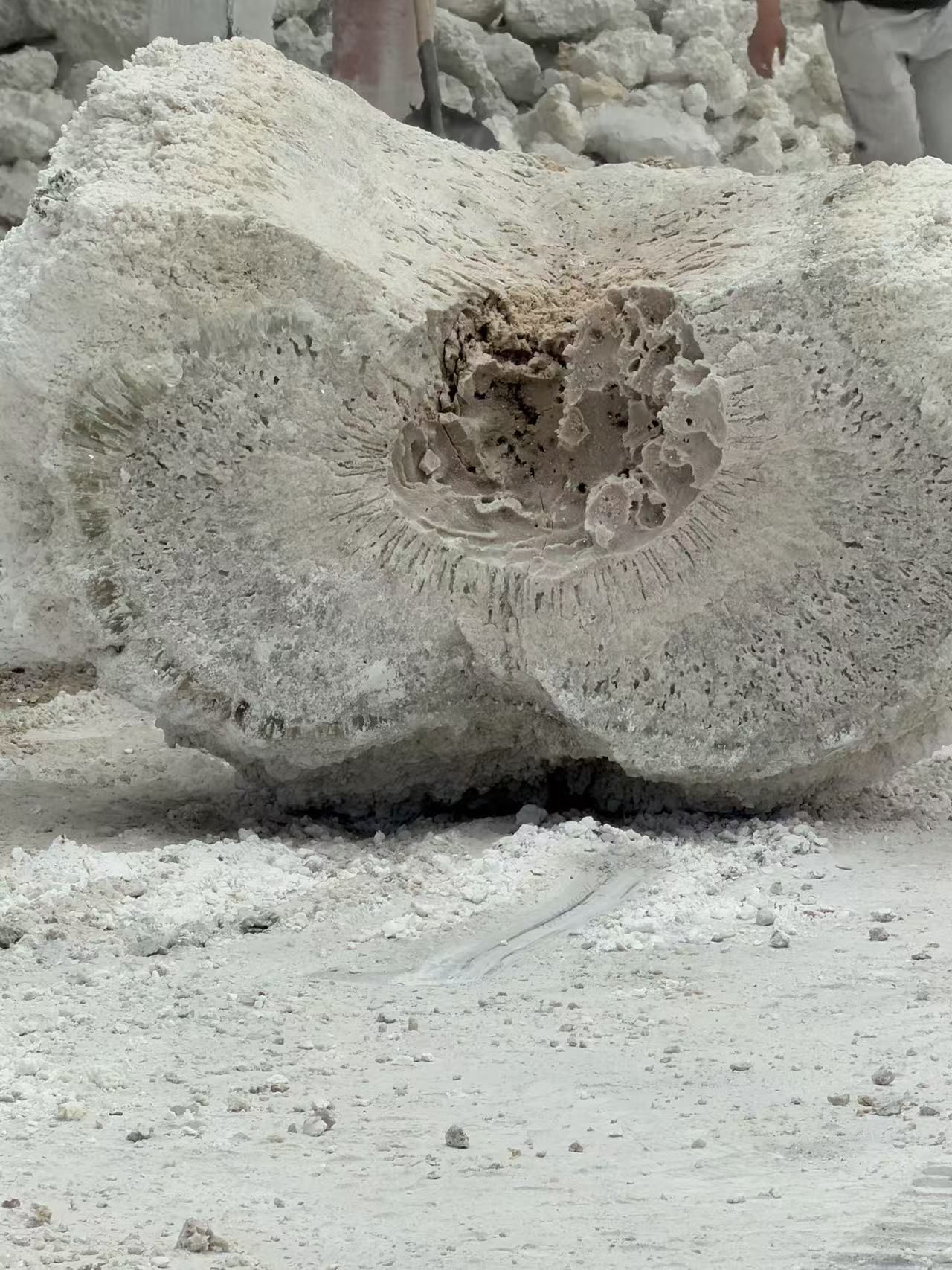
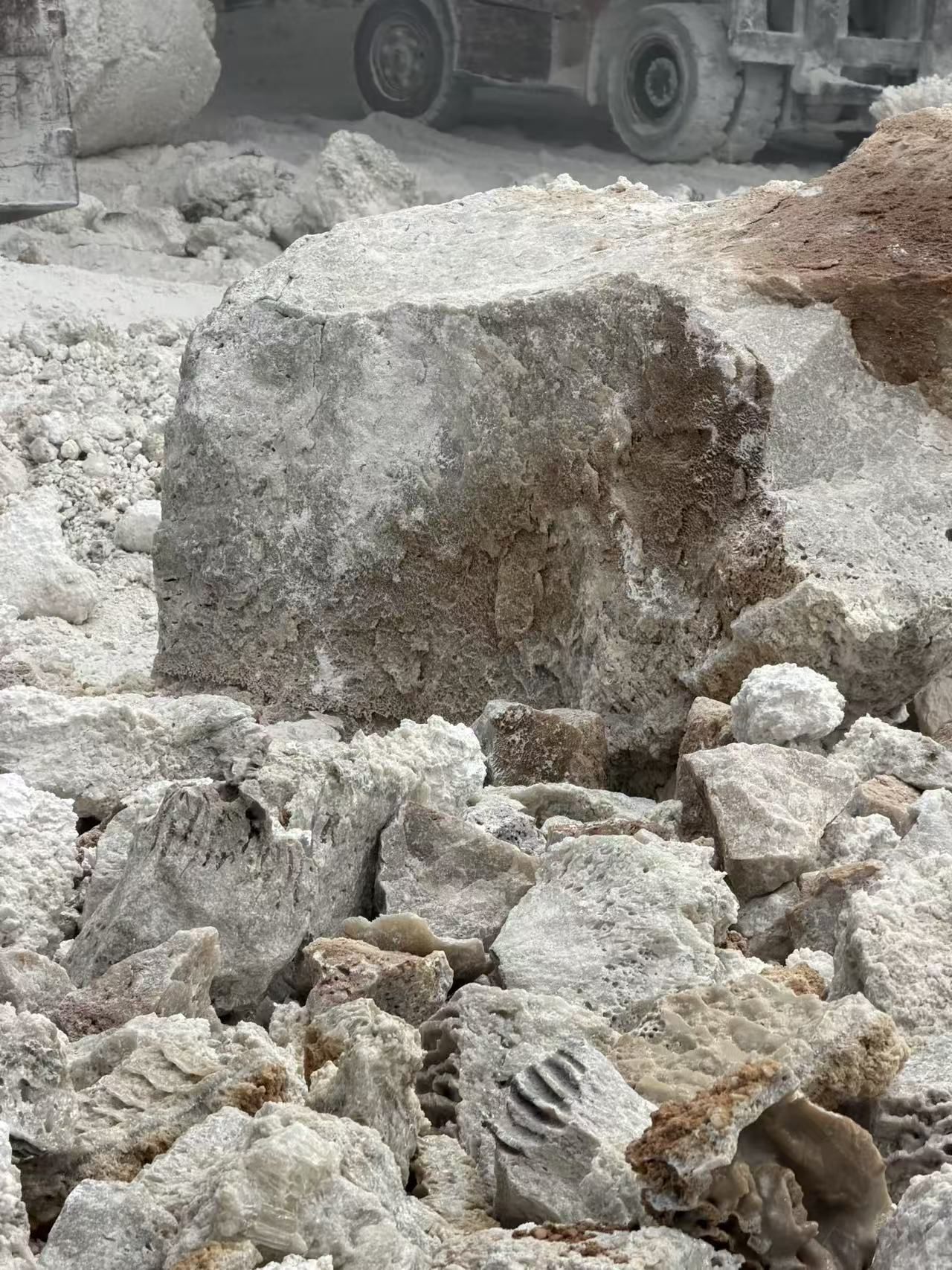
Large Crystal Fused Magnesia (LCFM) is a high-performance basic refractory raw material produced by melting high-purity light-burned magnesia powder or selected magnesite in an electric arc furnace at temperatures above 2300°C, followed by cooling, crystallization, crushing, and screening. It features high MgO content, coarse periclase crystals (typically larger than 400–500μm, up to millimeter scale), high bulk density (≥3.46–3.52 g/cm³), and a dense structure. The large-crystal structure significantly enhances slag corrosion resistance and thermal shock stability of refractory products, making it an ideal raw material for magnesia-carbon bricks, ladle slag line bricks, and monolithic refractories in steelmaking.
Parameter Display
Note: The following are typical values for the industry. Please replace the actual page with the factory measured data. Different grades (96/ 97/ 98 ) mainly correspond to the differences in MgO and impurity content, and can be adjusted according to customer requirements.
| Item | FM96 | FM97 | FM98 |
| MgO (%), ≥ | 96 | 97 | 98 |
| SiO2 (%), ≤ | 1.2 | 0.8 | 0.6 |
| Fe2O3(%),≤ | 0.8 | 0.6 | 0.5 |
| Al2O3(%),≤ | 0.2 | 0.2 | 0.2 |
| CaO (%), ≤ | 1.5 | 1.2 | 0.9 |
| Bulk Density (g/cm3), ≥ | 3.30 | 3.45 | 3.45 |
| size | 0-1 mm, 0-3 mm, 1-15 mm, 1-30 mm, 200 mesh or acording to customer's requirement. | ||
Products Describe
Product Overview
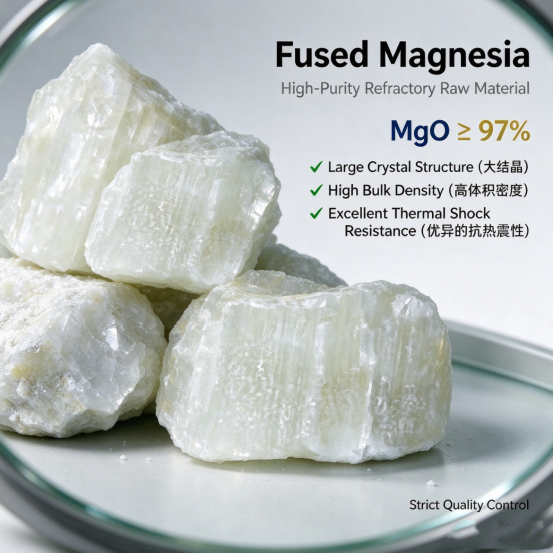
Large Crystal Fused Magnesia is a high-purity basic refractory raw material with periclase as its principal crystalline phase. Compared with ordinary fused magnesia, LCFM exhibits more fully developed periclase crystals, fewer grain boundaries, and a denser structure, resulting in markedly superior chemical stability and slag resistance in high-temperature molten slag environments.
Key Advantages
Large Crystal Structure: Crystal sizes typically ≥400–500μm. Coarse periclase grains reduce grain-boundary area and limit slag penetration pathways, directly improving slag resistance.
High Bulk Density: ≥3.46–3.52 g/cm³. The dense structure delivers lower porosity and greater high-temperature volumetric stability.
High Purity: MgO content ranging from 97% to 98.5%, with low SiO₂ and Fe₂O₃, minimizing low-melting phases and supporting high-temperature performance.
Excellent Thermal Shock Stability: The large-crystal structure provides better resistance to cracking under rapid temperature fluctuations.
Typical Applications
Magnesia-Carbon Bricks: Used as aggregate in high-grade MgO-C bricks, particularly for highly corrosive ladle slag line zones. Replacing ordinary fused magnesia with LCFM can substantially extend slag line brick service life.
Ladle Slag Line: One of the highest-value applications for LCFM, where crystal size and slag resistance requirements are most demanding.
Monolithic Refractories: Gunning mixes, ramming mixes, and castables benefit from large-crystal aggregate for improved overall corrosion resistance.
Others: Also used in BOF lining bricks, EAF linings, and high-temperature electrical insulation materials.
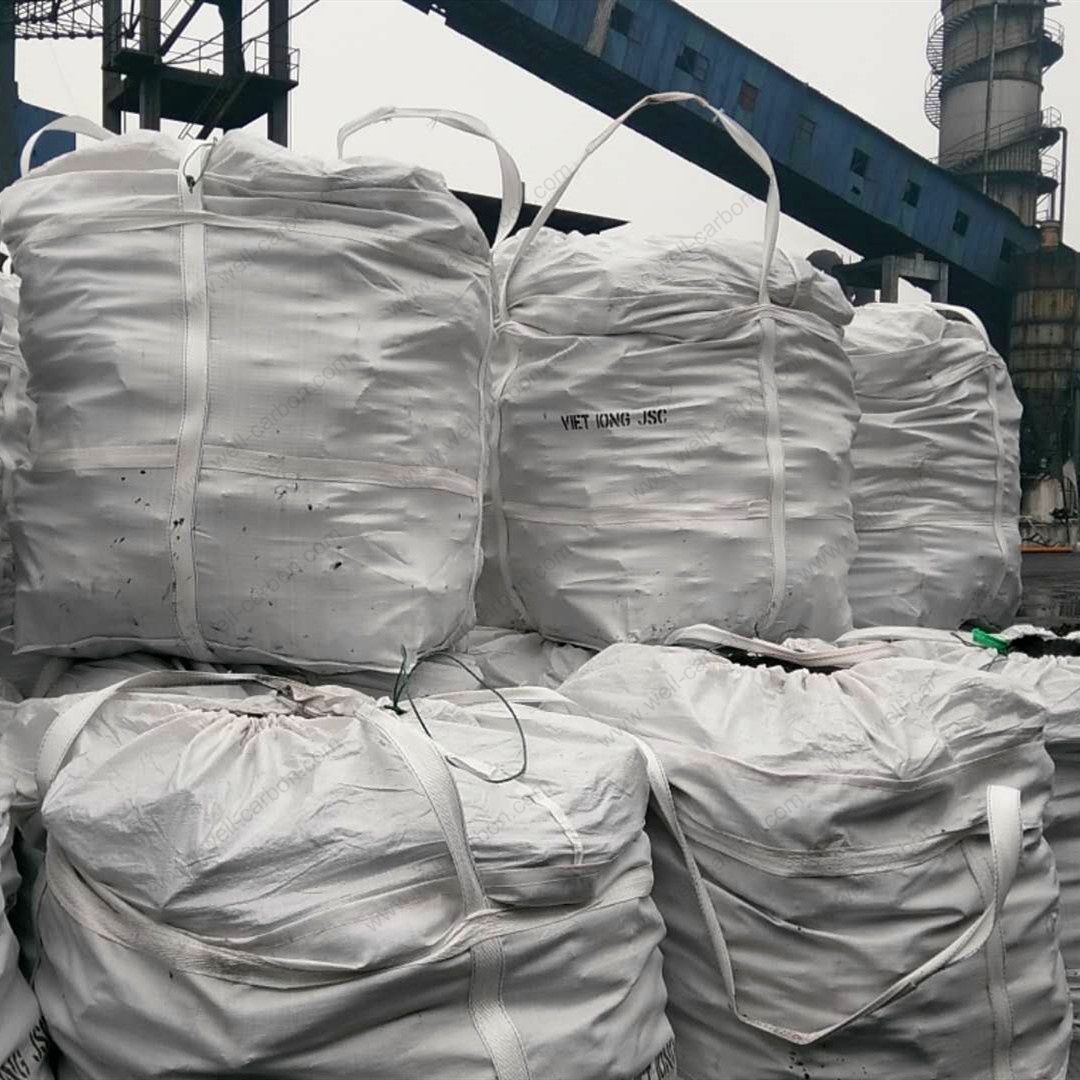
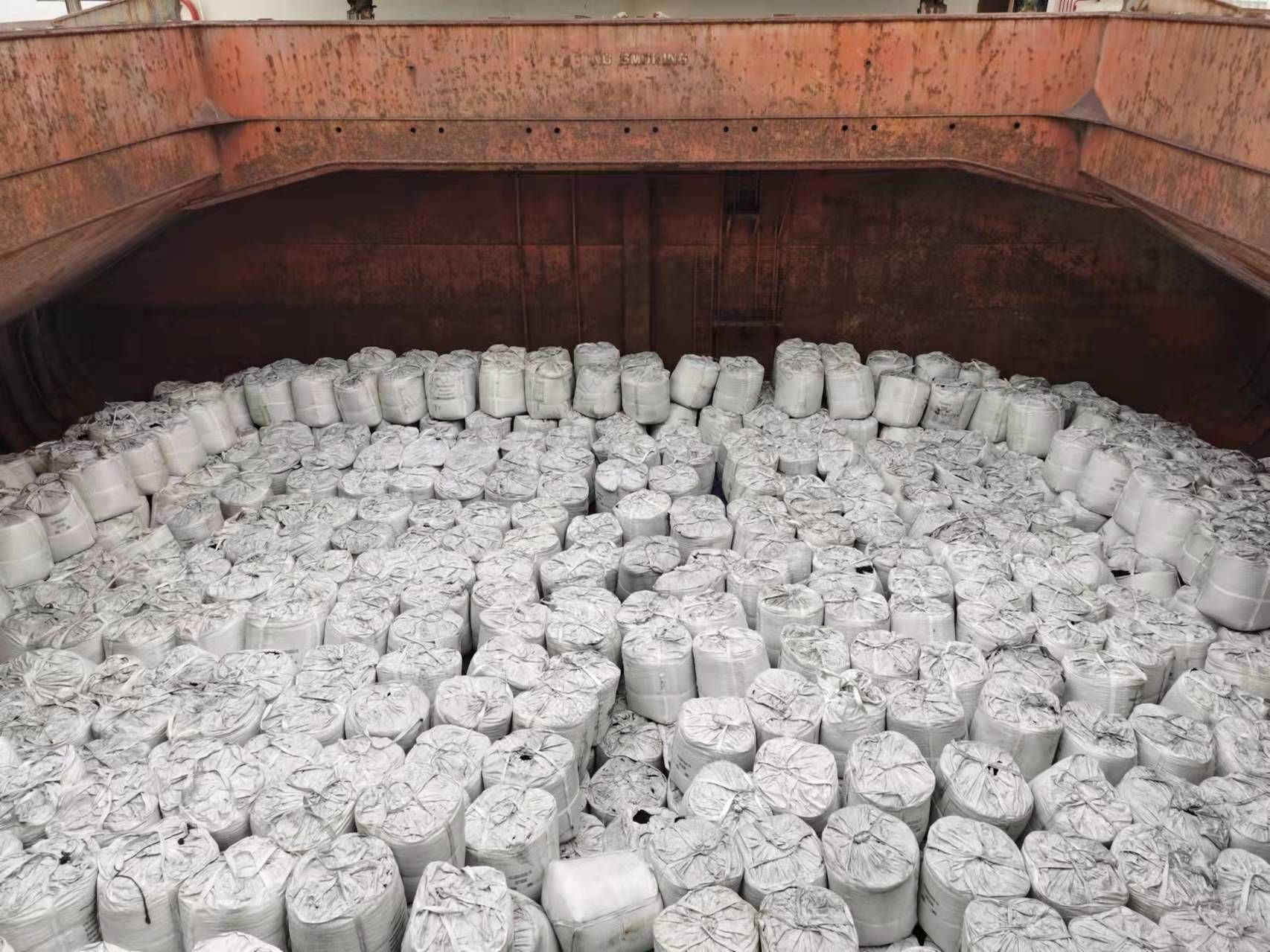
Packing and Shipping
Manufacture Process
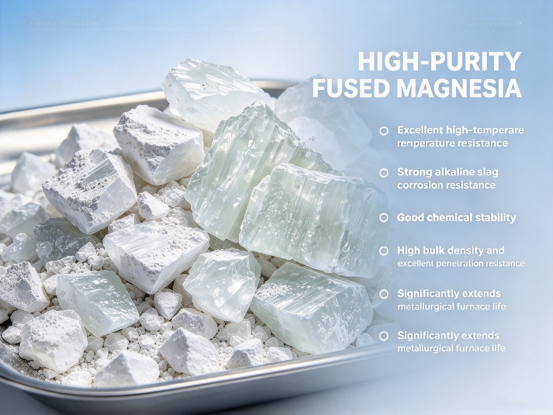
The performance differentiation of LCFM lies primarily in controlling crystal growth during the melting–crystallization stage. The typical process route is as follows:
Raw Material Preparation: High-purity light-burned magnesia powder (or selected magnesite after calcination to caustic calcined magnesia) is used as feedstock. Impurity content and particle size are controlled, with briquetting applied where necessary.
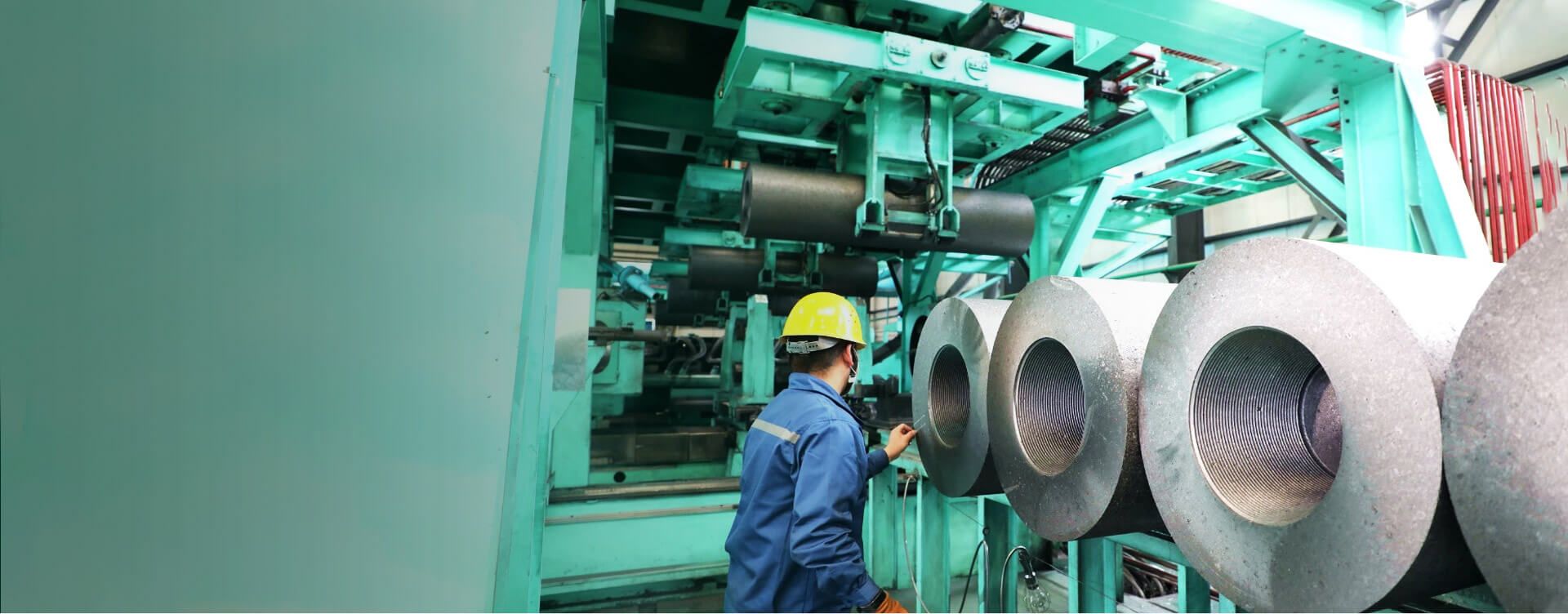
Electric Arc Furnace Melting: The feedstock is charged into a three-phase electric arc furnace (or submerged arc furnace) and completely melted at temperatures above 2300°C (the melt zone can reach approximately 2800°C). Arc heat from the electrodes forms a molten pool.
Cooling and Crystallization: The molten magnesia is cooled in a controlled manner, allowing periclase crystals to nucleate and grow from the melt. Cooling rate is the critical parameter governing crystal size—appropriately slow cooling favors coarse crystal formation.
Crushing and Screening: The cooled LCFM ingot is crushed and screened into the required size fractions (e.g., 0–1mm, 1–3mm, 3–5mm), or supplied in block form.
Sorting / Impurity Removal: Crushed grains are sorted manually or mechanically to remove low-grade portions and impurity-rich zones, ensuring batch-to-batch consistency.
Inquire Basket (0)