Semi-coke, also known as blue carbon (lan tan), is a new type of carbon material obtained by low-to-medium temperature dry distillation and pyrolysis of high-quality Jurassic clean coal lumps abundantly found in the Shenfu Coalfield, after the extraction of coal tar and coal gas. Semi-coke features “three highs and four lows” — high fixed carbon, high specific resistance, high chemical reactivity, and low ash, low aluminum, low sulfur, and low phosphorus — making it suitable for a wide range of applications.
Semi-coke is the product of dry distillation and pyrolysis of coal at low-to-medium temperatures, co-generated with coal gas and coal tar. The semi-coke industry achieves efficient conversion of coal resources into three energy forms — solid, liquid, and gas — and is one of the coal classification and green utilization models encouraged by the state.
Parameter Display
The following are typical industry technical indicators for semi-coke. Semi-coke products shall meet the requirements of Classification and Quality Requirements of Semi-Coke (GB/T 25211-2023). Actual supply parameters can be negotiated according to customer requirements.
| Item | Typical Value | Remarks |
|---|---|---|
| Fixed Carbon (min.) | ≥82% | High carbon content ensures calorific value and reactivity |
| Volatile Matter (max.) | <4% | Low volatile matter after low-medium temperature dry distillation |
| Ash Content (max.) | <6% | Low ash suitable for calcium carbide, ferroalloy production |
| Sulfur (max.) | <0.3% | Low sulfur helps reduce sulfur content in downstream products |
| Moisture (max.) | <10% | Dry storage, low moisture content |
| Phosphorus (max.) | <0.01% | Low phosphorus suitable for ferroalloy production |
| Aluminum (Al₂O₃, max.) | ≤2% | Low aluminum benefits downstream product quality |
| Specific Resistance (min.) | >3500 μΩ·m | High specific resistance suitable for calcium carbide, ferrosilicon smelting |
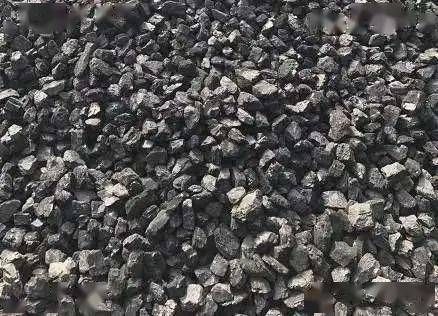
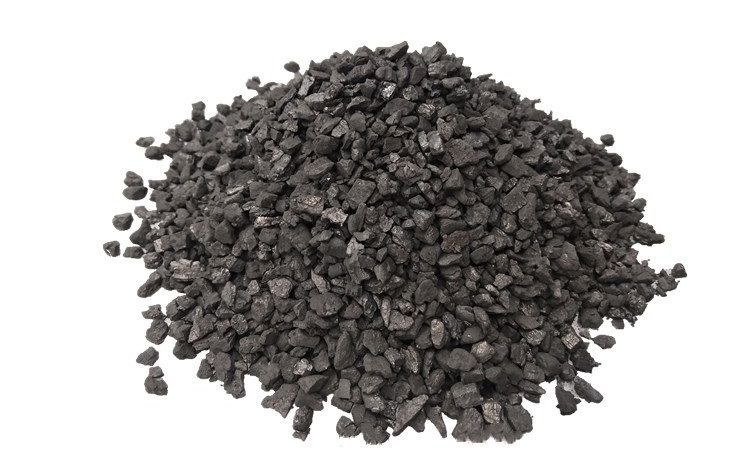
| Particle Size | >30mm/ 15–25mm/ 6–15mm/ <6mm | Customized sizes available |
Note: The above parameters are for reference based on publicly available industry standards and product information. Actual indicators may vary due to differences in raw materials and processes. Please confirm according to the specific supply batch.
Products Describe
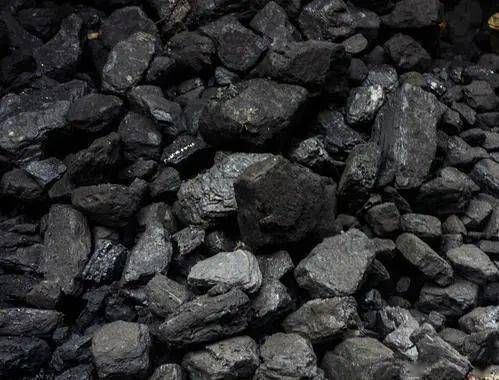
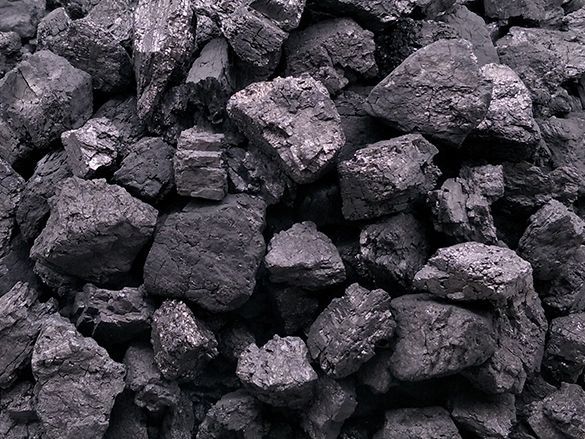
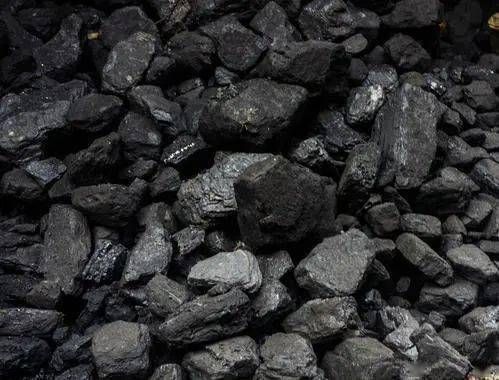
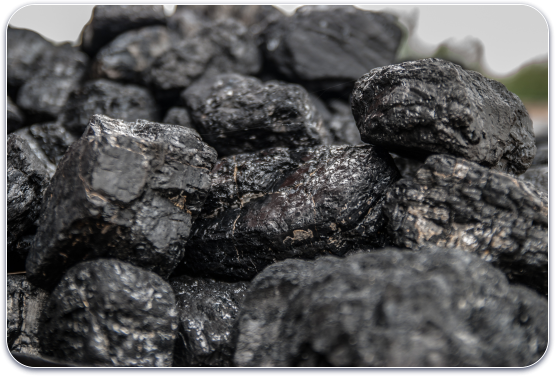
Appearance and Form: Gray-black solid, dull in luster, soft and brittle, with open pores. The volatile matter content is approximately 7%–12%. It has good reactivity, is easy to burn, and is smokeless.
Main Applications:
Calcium carbide industry: Used as a carbonaceous raw material for calcium carbide production, partially replacing coke and anthracite lump coal;
Ferroalloy industry: Widely used in the production of ferroalloys, ferrosilicon, silicon carbide, and other products, making it an irreplaceable carbon material;
Fertilizer gasification: Used as a gasification raw material for synthetic ammonia and other fertilizer industry applications;
Blast furnace injection: Used as a blast furnace injection fuel in steel plants to reduce the coke ratio;
Civil clean fuel: Features easy ignition, fast heating, no odor, no smoke or dust, and minimal ash residue after combustion;
Activated carbon preparation: Based on the characteristics of semi-coke powder, it can be used as a raw material for preparing high-quality activated carbon.
Product Features:
High fixed carbon, high specific resistance, high chemical reactivity;
Low ash, low aluminum, low sulfur, low phosphorus (“three highs and four lows”);
Combustion emissions of PM2.5, organic carbon (OC), and elemental carbon (EC) are reduced by over 90% compared with bituminous coal;
SO₂ emissions are 57% lower than bituminous coal, outperforming anthracite;
Can partially replace coking coal, gasification briquette, and anthracite lump coal, achieving rational resource utilization.
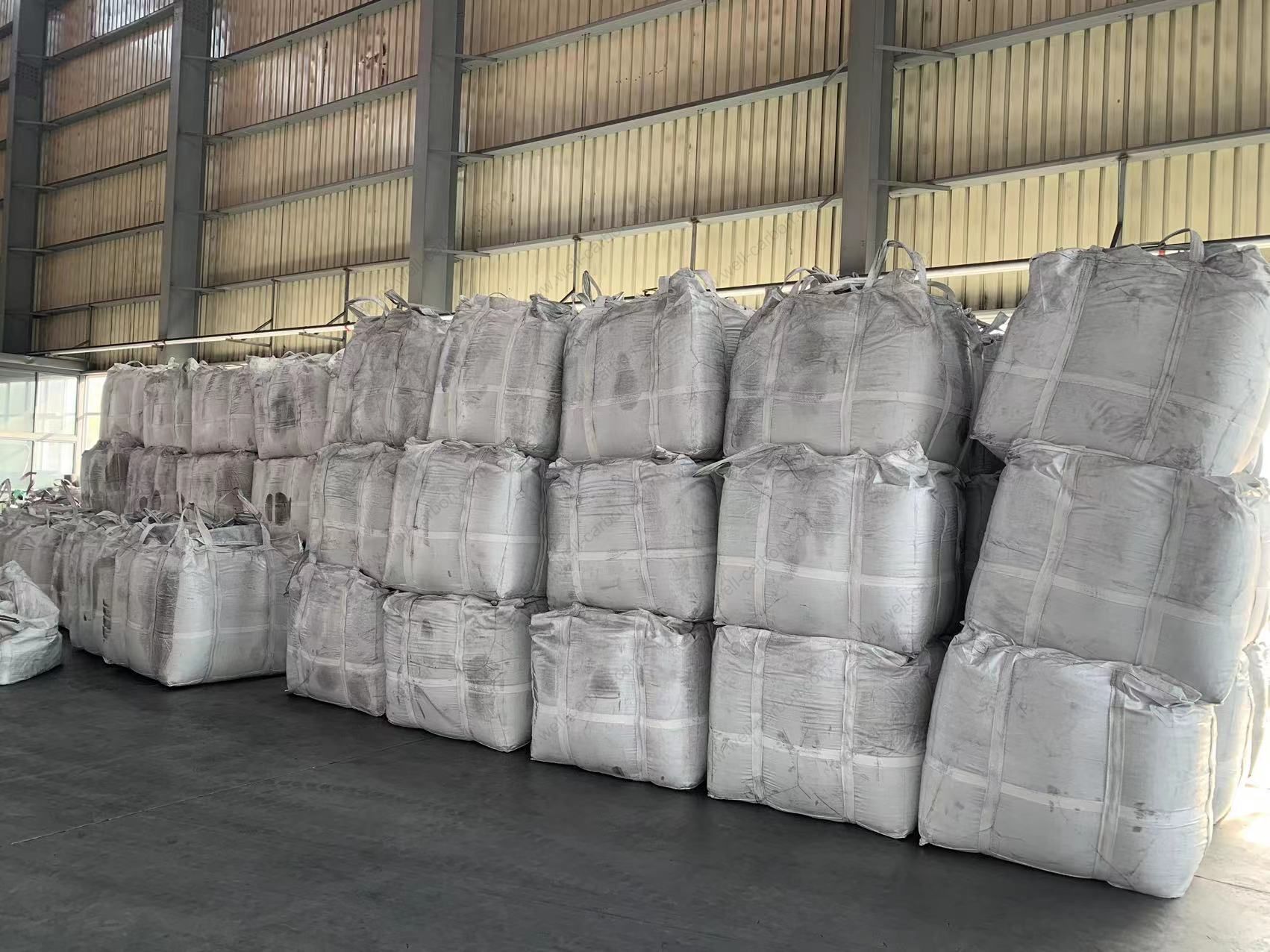
Packing and Shipping
Manufacture Process
The production process of semi-coke mainly includes the following steps:
1. Raw Material Preparation
High-quality Jurassic clean coal lumps from the Shenfu Coalfield are selected as raw materials. The raw coal shall meet requirements of fixed carbon ≥ 60%, ash ≤ 5%, and total sulfur ≤ 0.25%. The feed coal particle size is controlled at 6–80 mm lump coal.
2. Low-Temperature Dry Distillation
The raw coal is fed into a low-temperature dry distillation furnace (such as an internal-heating vertical carbonization furnace or a low-temperature pyrolysis square furnace) and heated to 500–750°C under air-isolated conditions for dry distillation and pyrolysis. During dry distillation, volatiles in the coal are released, generating coal gas and coal tar, and the remaining solid product is semi-coke. The dry distillation section temperature is controlled at 650–750°C to achieve low-temperature dry distillation, meeting the production process conditions for semi-coke.
3. Coke Quenching and Cooling
The discharged hot semi-coke has a temperature of approximately 600°C and is cooled using dry quenching technology. Circulating cold coal gas is used to exchange heat with the hot semi-coke in the cooling section, reducing the semi-coke temperature below 120°C, with moisture content controlled below 15% after quenching. Steam quenching technology can further reduce moisture content to below 0.8%, eliminating the drying process.
4. Screening and Classification
After cooling, the semi-coke is classified by screening equipment according to different particle size ranges, including large lump (>30 mm), medium lump (15–25 mm), small lump (6–15 mm), and semi-coke powder (<6 mm).
5. Inspection and Packaging
The finished product undergoes physical and chemical testing, including fixed carbon, volatile matter, ash content, sulfur content, moisture, specific resistance, etc. After passing inspection, it is packed and stored according to specifications.
Inquire Basket (0)