Classification and Functions of Carbon Additives
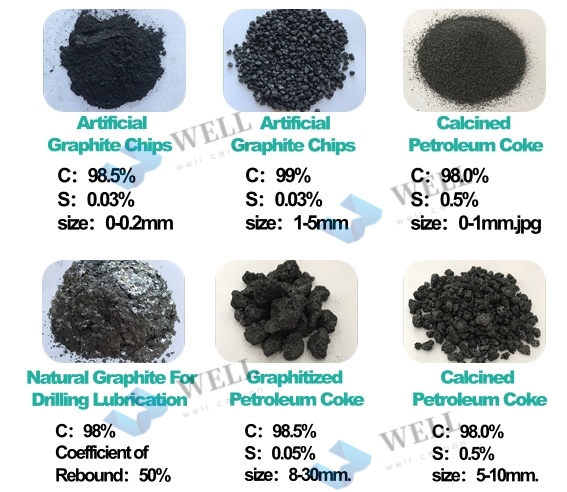
Introduction to the classification and selection of carbon additives
To better understand carbon raisers and enhance our comprehensive knowledge, we often categorize them into
different types. The industry primarily classifies carbon raisers based on three core dimensions: carbon content,
raw material type, and actual application scenario. Classification by carbon content is one of the most basic and
commonly used methods. The classification of carbon raisers is summarized below:
I. By Carbon Content
1. Low-purity carbon raisers (C≤90%): Core characteristics: Low carbon content, relatively high impurities, low price;
suitable for ordinary cast iron smelting and casting scenarios where high carbon content is not required.
2. Medium-purity carbon raisers (90%<C<98%): Core characteristics: High cost-effectiveness, moderate impurities;
suitable for routine carbon raising of medium-quality cast iron and cast steel.
3. High-purity carbon raisers (C≥98%): Core characteristics: High carbon content, extremely low sulfur, phosphorus,
and other impurities; suitable for smelting precision cast iron, ductile iron, and high-end cast steel.
II. By Raw Material Type
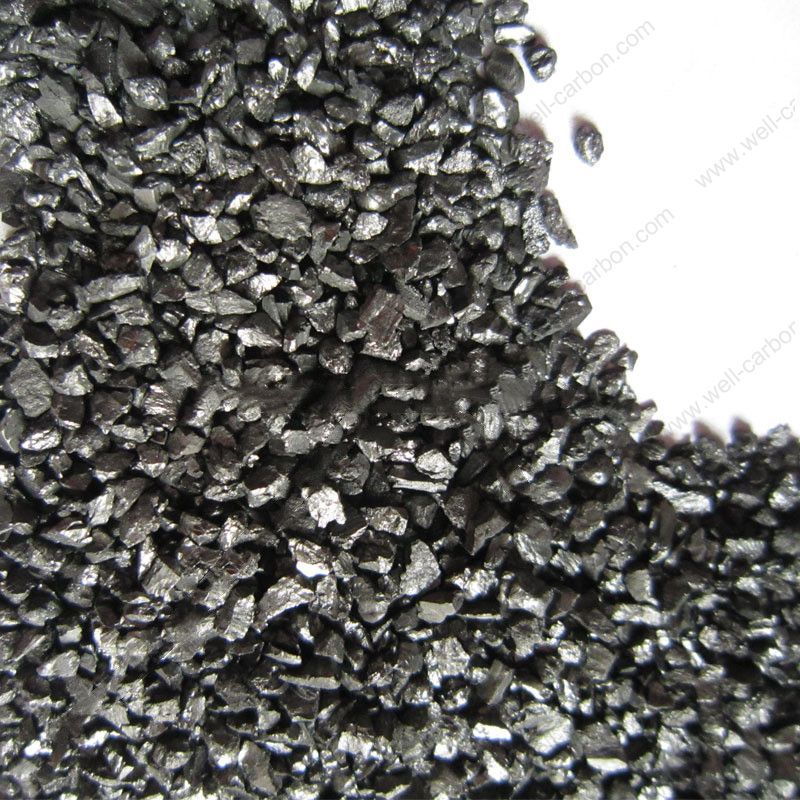
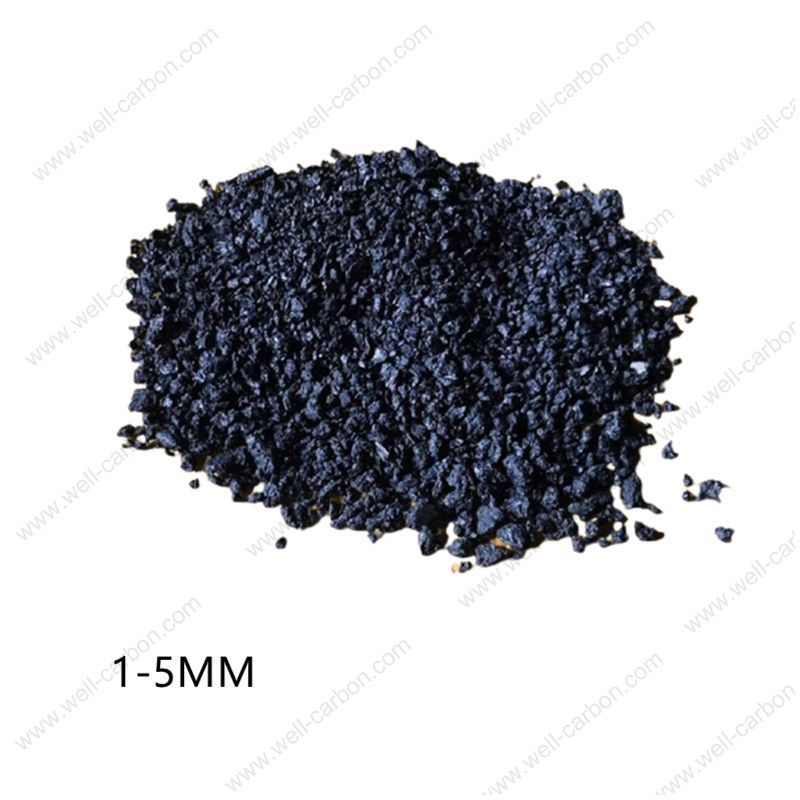
1. Petroleum Coke Carbon Additive: Core characteristics: Made from petroleum coke, high carbon content, good
absorption rate; suitable for high-efficiency carbon addition in cast iron and cast steel, and has the widest application.
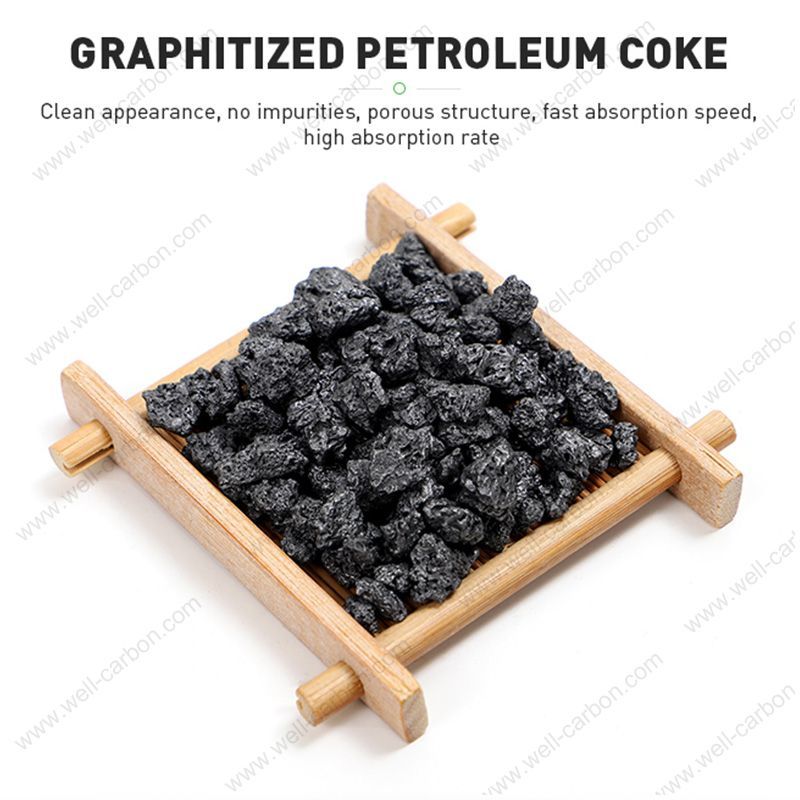
2. Graphitized Carbon Additive: Core characteristics: Petroleum coke undergoes high-temperature graphitization
treatment, resulting in good electrical conductivity and low sulfur content; suitable for smelting ductile iron
and vermicular graphite cast iron to improve the mechanical properties of castings.
3. Coal-Based Carbon Additive: Core characteristics: Made from anthracite coal, low cost, medium carbon content;
suitable for low-cost carbon addition in ordinary gray cast iron and casting blanks.
4. Graphite Carbon Additive: Core characteristics: Made from natural or artificial graphite, high purity, strong stability;
suitable for high-end carbon addition needs in precision casting and special alloy smelting.
5. Coke Carbon Additive: Core characteristics: Made from metallurgical coke, relatively high impurity content;
suitable for ordinary cast iron smelting in small foundries.
III. By Application Scenarios
1. Carbon Recharger for Foundry: Core characteristics: Particle size adapted to foundry furnace type, stable
absorption rate; suitable for in-furnace carbonization of gray cast iron, ductile iron, and cast steel.
2. Carbon Recharger for Steelmaking: Core characteristics: High purity, fast reaction speed, strictly controlled
sulfur content; suitable for final carbonization in converter and electric arc furnace steelmaking, adjusting the
carbon content of molten steel.
3. Carbon Recharger for Cast Iron Inoculation: Core characteristics: Combines carbonization and inoculation effects,
refines grain size; suitable for ductile iron production, improving the microstructure and properties of castings.
4. Carbon Recharger for Non-ferrous Metals: Core characteristics: Low impurities, free of harmful elements;
suitable for carbonization treatment of non-ferrous metals such as copper alloys and aluminum alloys.
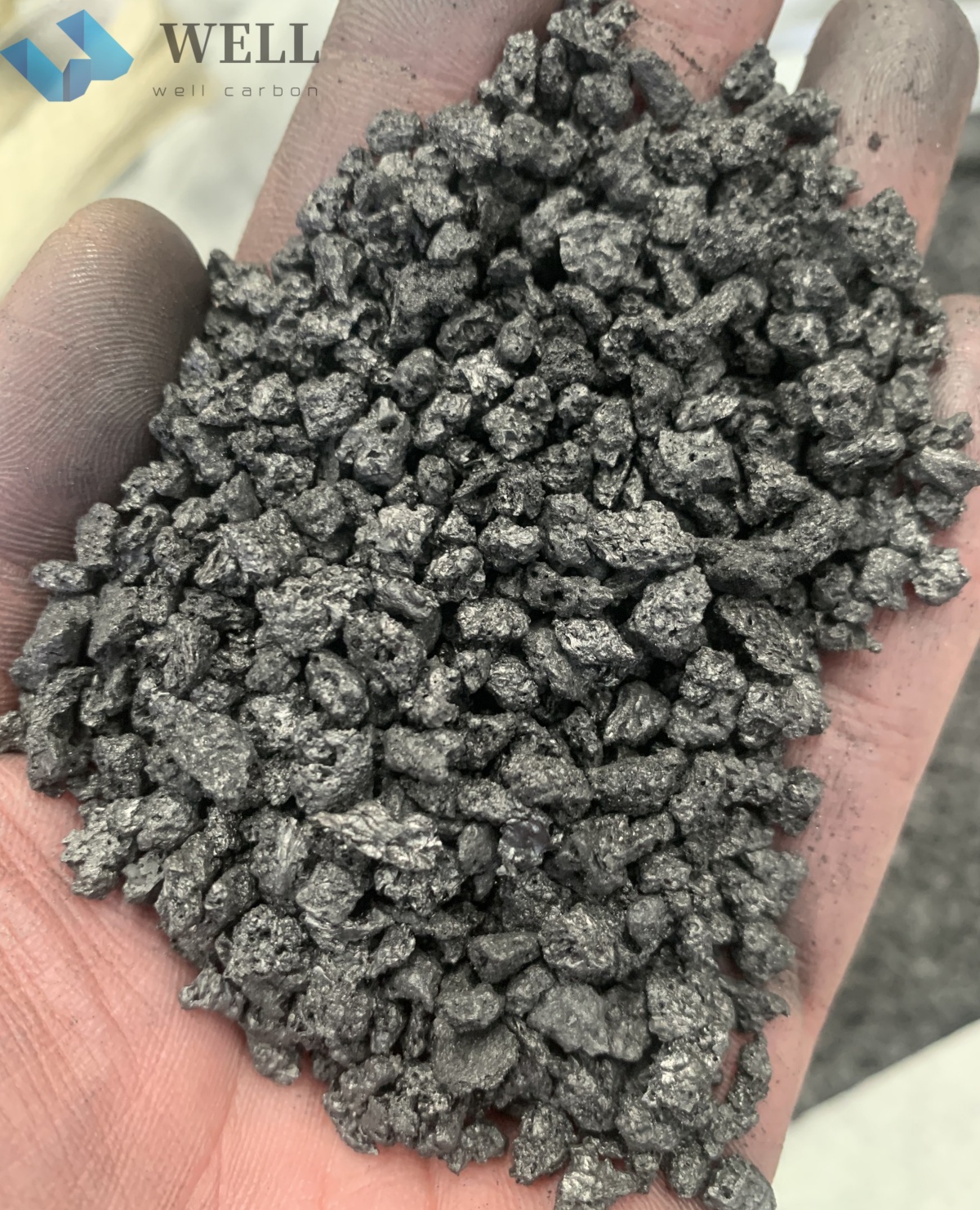
The core function and types of function of carbon additives
The core function of carbon raisers is to adjust the carbon content of molten metal (mainly cast iron and cast steel) to meet the
composition and performance requirements of castings, while also improving the metallurgical quality of the molten metal.
They replenish carbon elements lost during smelting, precisely control the carbon content of molten iron/steel, and match
casting grade standards.
They improve casting performance by enhancing the fluidity of molten iron, reducing shrinkage cavities and porosity defects
in castings, promoting graphitization, and optimizing the microstructure of cast iron.
They optimize mechanical properties by increasing the strength, hardness, and wear resistance of castings, preventing
embrittlement and substandard performance caused by insufficient carbon content.
They reduce production costs by replacing some expensive scrap steel and being used in conjunction with pig iron in the
batching process, balancing cost and casting quality.
Search Blog