The Effect of Carbon Additive Particle Size on Smelting and Casting
The particle size of carbon additives has a significant impact on carbon absorption efficiency, smelting time, oxidation loss and the final quality of castings during the smelting and casting process. The main effects can be summarised as follows:
Key effects of particle size on the smelting and casting process
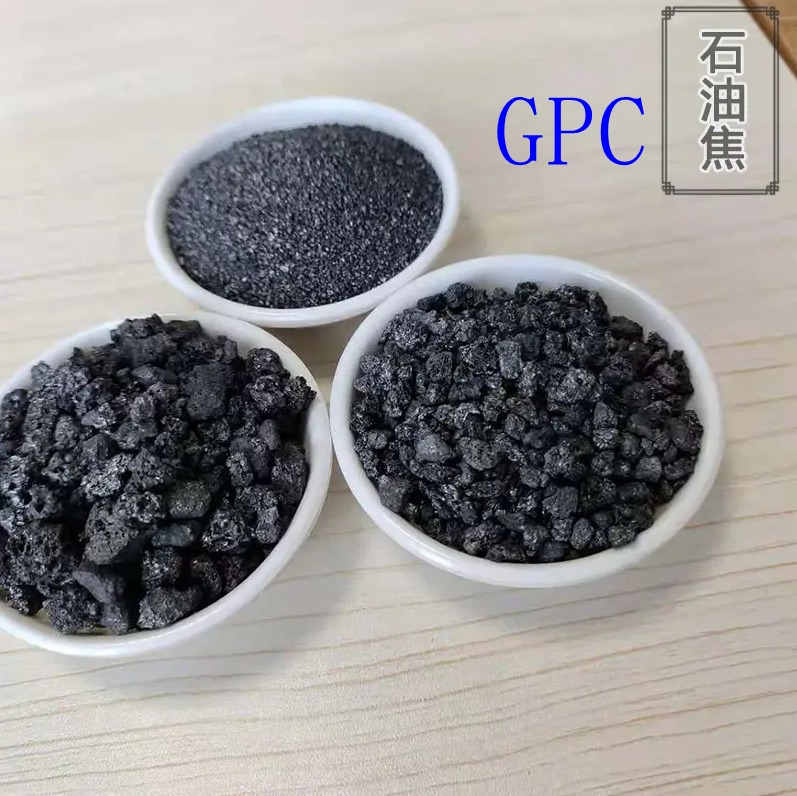
Balancing dissolution rate and oxidation loss:
Fine particle size (e.g. <1 mm): Large specific surface area, rapid dissolution, but prone to oxidation and burning, leading to reduced absorption rates and increased dust pollution.
Coarse particle size (e.g. >10 mm): Slow dissolution, may float on the surface of the molten iron, resulting in incomplete absorption, or even causing delayed carbon uptake or compositional non-uniformity.
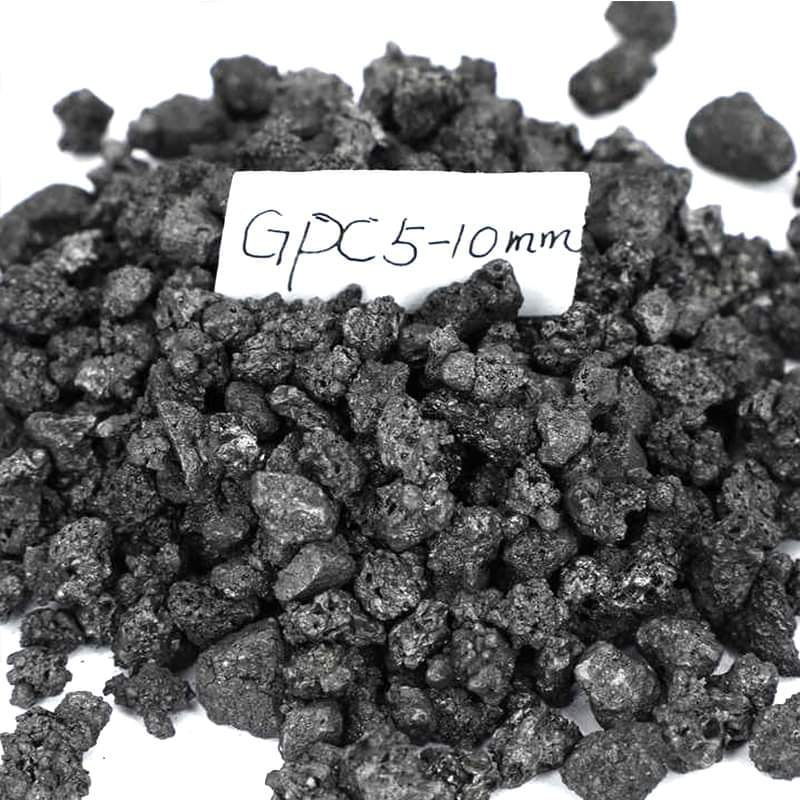
Absorption rate and carbon addition efficiency:
Both excessively fine (ultrafine powder) and excessively coarse (coarse particles) particle sizes reduce the absorption rate.
Tests have shown that carbon additives with a uniform particle size distribution—such as Type B,
which has had ultrafine powder and coarse particles removed—achieve a 90% carbon addition rate in the shortest time (just 6 minutes),
whereas Type C, which contains a large amount of ultrafine powder, takes 13 minutes.
The ideal particle size range is typically 1–8 mm, depending on the specific furnace type.
Compatibility with smelting equipment: Furnaces of different capacities and types have varying requirements for particle size:
1. Electric furnaces (induction furnaces):
2. ≤1 t: 0.5–3 mm
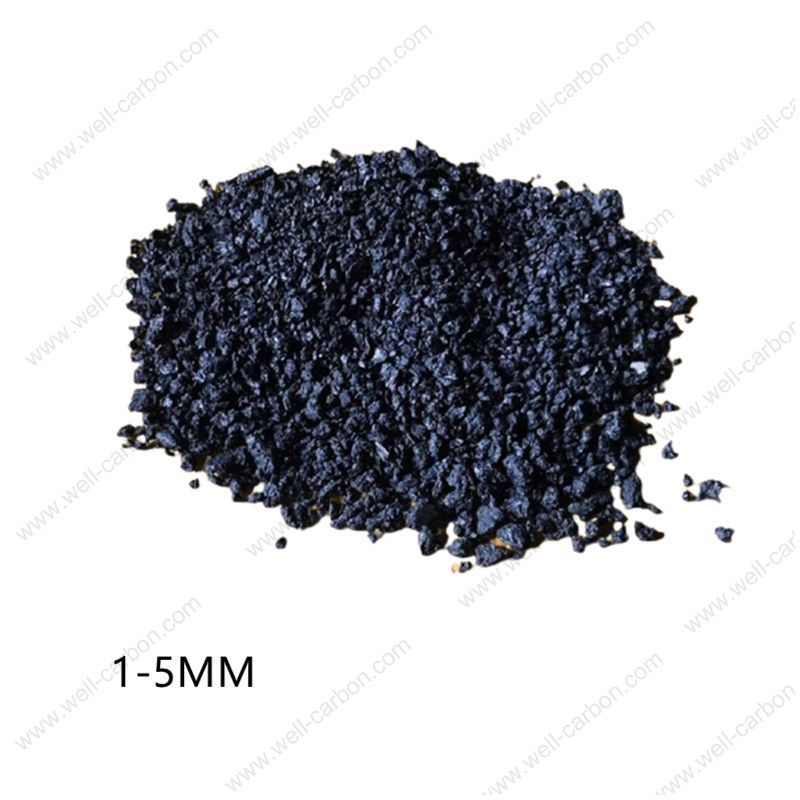
3. 1–3 t: 1–5 mm
4. 3–10 t: 3–20 mm (some sources recommend 5–8 mm)
5. Cupola furnaces: Due to the short residence time, smaller particle sizes (e.g. 1–3 mm) are recommended to accelerate the reaction.
6. Ladle lining: 0.5–1 mm is recommended.
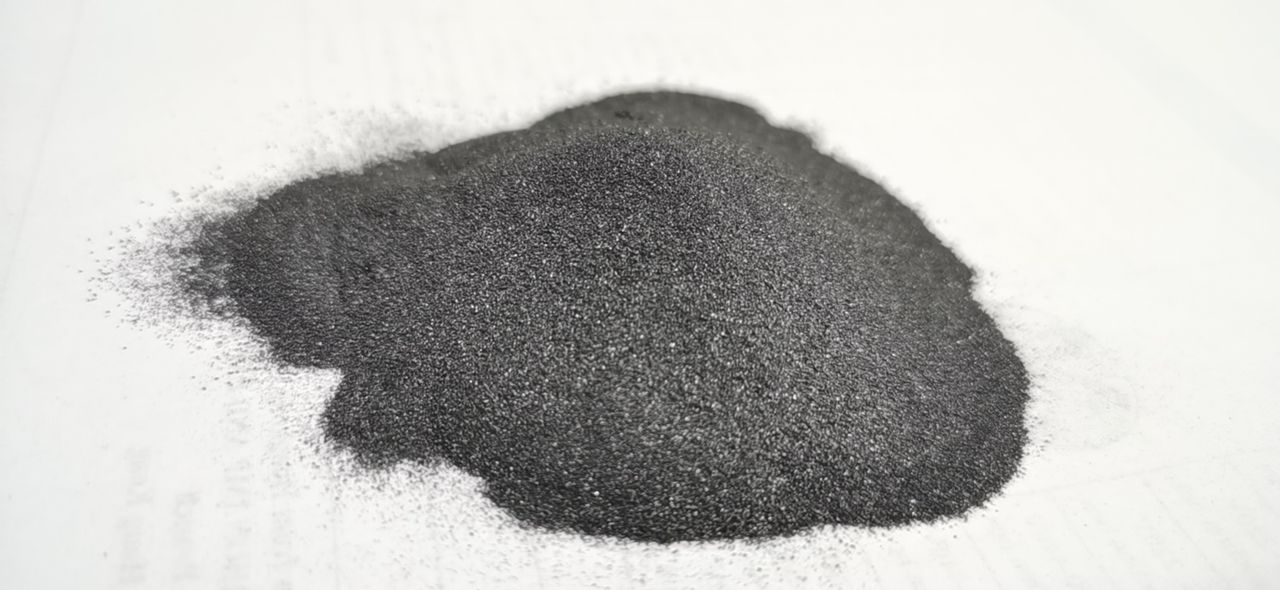
Process stability and operational efficiency:
1. Uneven particle size can lead to fluctuations in absorption, affecting the precision of chemical composition control.
2. At high temperatures or during short melting times, fine particle sizes should be prioritised to ensure complete dissolution;
at low temperatures or during prolonged melting, medium to coarse particle sizes may be used appropriately.
Indirect effects on casting quality:
1. Poor absorption or uneven carbon distribution may lead to issues such as uneven hardness, a tendency towards white cast iron, and reduced machinability.
2. An excessive amount of fine powder may also entrain impurities, increasing the risk of slag inclusions or porosity.
1、Carbon addition effect: Carbon additives with an appropriate particle size can come into full contact with the molten iron,
resulting in rapid carbon addition and high absorption rates. If the particle size is too large, the contact area with the molten iron is small,
leading to slow dissolution and poor carbon addition; if the particle size is too small, the additive is prone to oxidation, which also reduces carbon addition efficiency.
2、Production costs: A carbon-increasing agent with the appropriate particle size can improve absorption efficiency, reduce the quantity required and lower costs.
If the particle size is too large or too small, resulting in poor carbon-increasing performance, the quantity required will need to be increased, which will raise production costs.
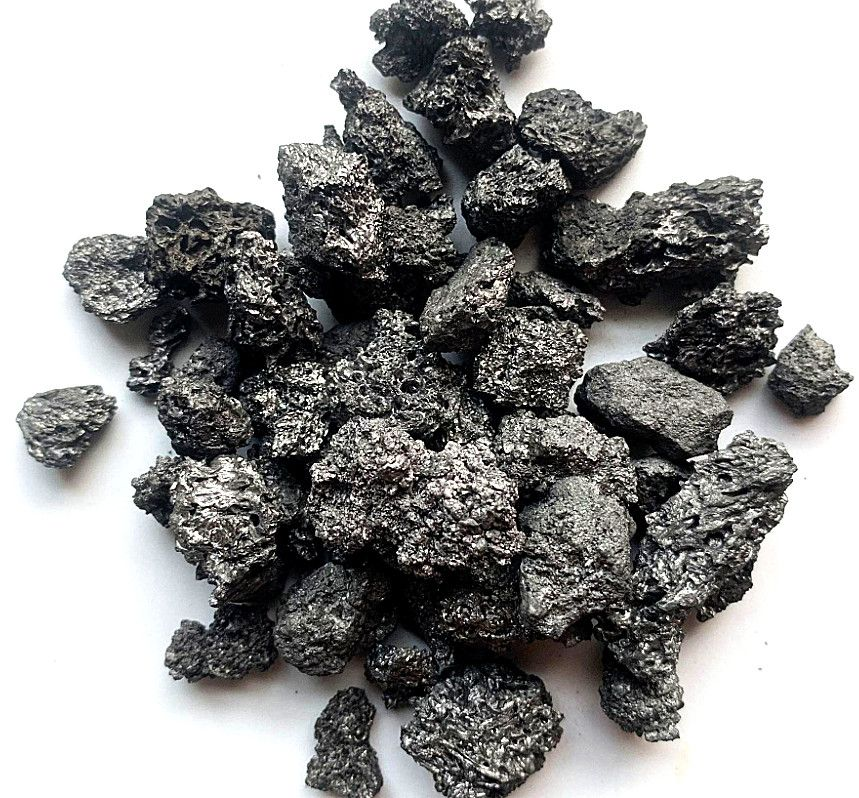
3、Melting time: A carbon-increasing agent with an appropriate particle size dissolves at a suitable rate, thereby shortening the melting time and improving production efficiency.
If the particle size is too large, the dissolution time is prolonged, which extends the melting cycle; if the particle size is too small, although dissolution is rapid,
premature oxidation may cause the carbon-increasing process to end early, which also affects the melting time.
4、Molten iron quality: A carbon additive with a uniform particle size ensures a more even distribution of carbon within the molten iron,
which helps to improve the quality of the molten iron and reduce defects such as compositional segregation.
Particles that are too large or too small may result in an uneven distribution of carbon, thereby affecting the quality of the castings.
Search Blog