Home > News > Common causes of graphite electrode breakage and joint wear, along with usage suggestions
1. Introduction
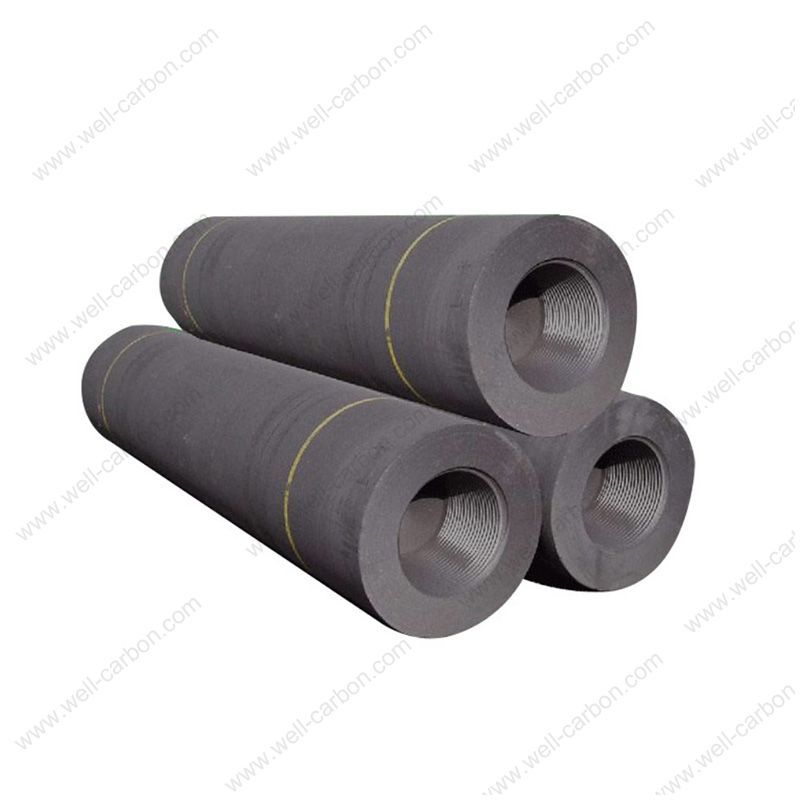
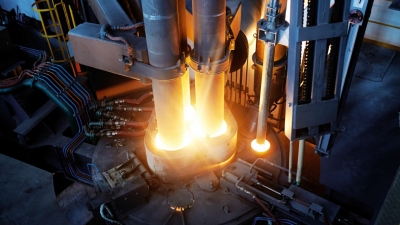
Graphite electrodes are core high-temperature conductive consumables for electric arc furnace steelmaking and submerged arc furnace smelting. Electrode breakage and excessive nipple loss are the most common operational faults that cause unplanned furnace shutdowns, smelting interruption, molten steel composition fluctuation, increased casting rejection rate, and higher costs of consumables and manual maintenance.
Most enterprises simply attribute abnormal loss to electrode quality defects. In fact, more than 70% of failures are caused by equipment conditions, non-standard operation, smelting process parameters, furnace atmosphere and mismatched model selection. This article systematically analyzes the core causes of graphite electrode breakage and excessive nipple loss, and provides standardized on-site operation and maintenance suggestions to reduce consumption rate, eliminate frequent faults and improve overall production efficiency.
2. Core Causes of Electrode Breakage and High Nipple Loss
2.1 Unqualified Product Quality and Mismatched Model Selection
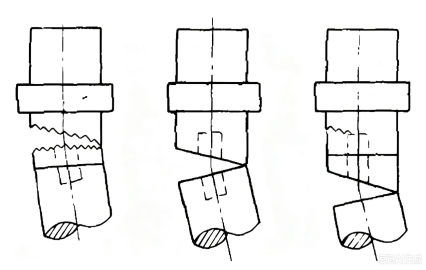
Defective manufacturing such as insufficient graphitization, high porosity, low bulk density and poor flexural strength will lead to internal cracks and electrode breakage under high temperature and stress. Uneven surface coating reduces oxidation resistance and accelerates uniform loss.
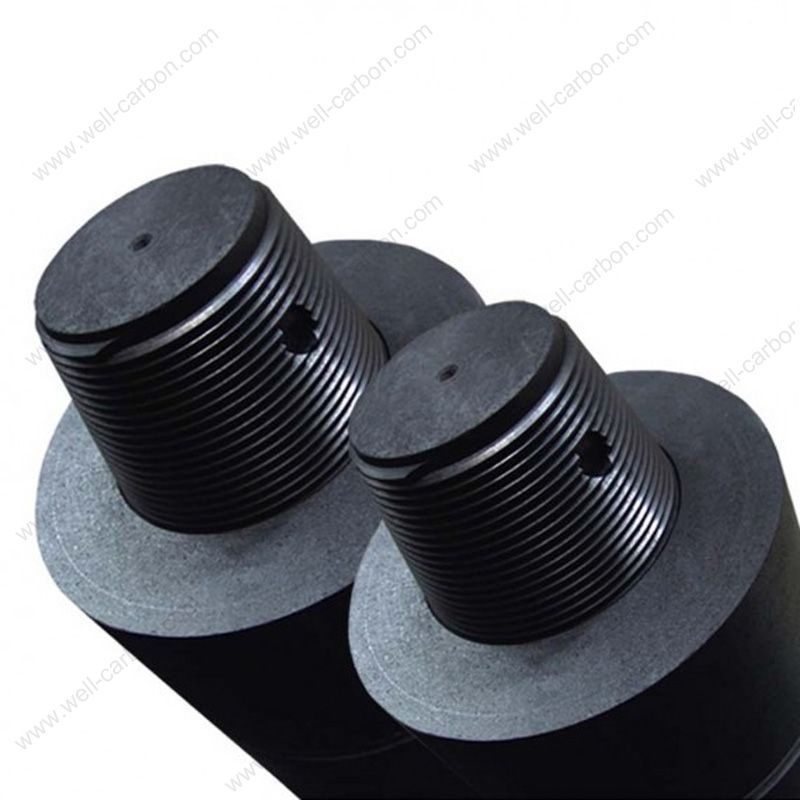
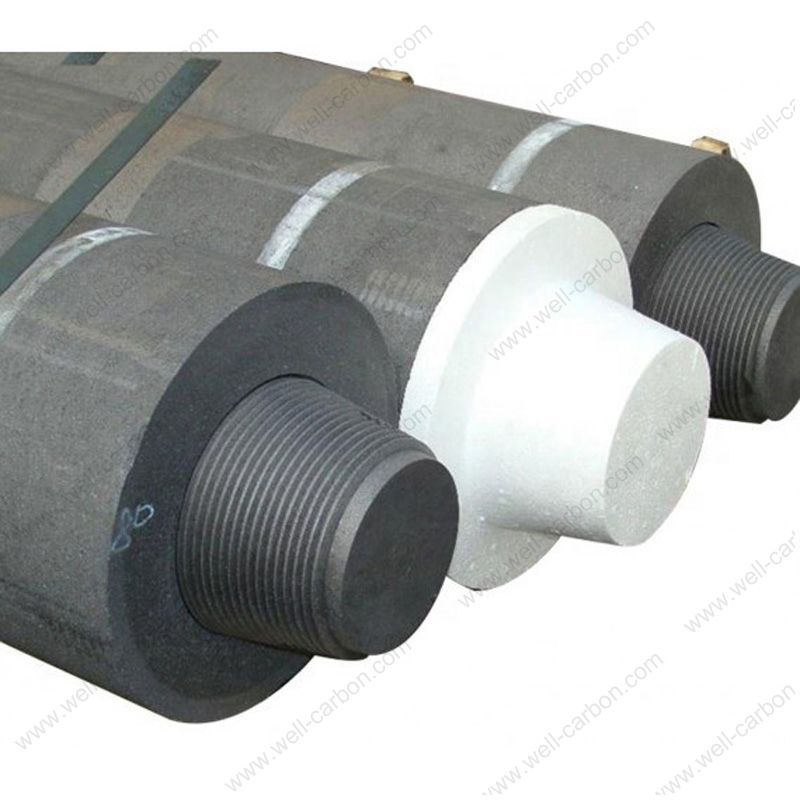
Substandard electrode nipples with low graphitization degree, poor thermal stability and inaccurate thread pitch cause poor fitting contact, excessive contact resistance, thread collapse and nipple burnout under high temperature.
Mismatched grade selection is another key factor. Ordinary power electrodes cannot withstand the high current and severe thermal shock of high-power or ultra-high-power EAFs, resulting in accelerated aging and fracture.
2.2 Non-standard Installation and Connection Operation
Residual dust, oxide scale and impurities on threads cause incomplete fitting. Insufficient tightening torque leads to loose connection and excessive contact resistance, while over-tightening causes hidden thread cracks and thermal fracture at high temperature.
Poor coaxiality and electrode inclination generate eccentric torsion and bending stress during smelting, resulting in fatigue breakage and unilateral nipple wear. Deformed clamps and missing anti-loosening accessories further aggravate nipple loosening and arc impact loss.
2.3 Abnormal Smelting Process and Furnace Conditions
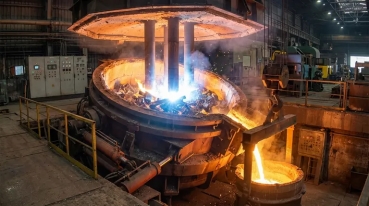
Frequent furnace start-stop and load fluctuation cause repeated rapid heating and cooling, generating huge thermal stress and leading to electrode cracking and nipple brittle fracture. Overload operation exceeds the rated bearing capacity of electrodes.
Excessive oxygen supply, improper oxygen blowing and carbon injection accelerate oxidative burning loss. Collapsed scrap steel directly impacts electrodes and causes mechanical breakage. Unstable electric arcs such as arc stretching and frequent arc breakage lead to local overheating and severe nipple ablation.
2.4 Mechanical Equipment and Maintenance Defects
Deviated lifting rails, stuck servo systems and excessive mechanical vibration cause continuous electrode jitter, resulting in alternating stress, nipple loosening and wear.
Insufficient water pressure, water leakage and uneven cooling of the water cooling system lead to local overheating of nipples, doubling thermal loss and reducing structural strength.
Lack of daily inspection leads to repeated use of worn and aging nipples, bringing hidden dangers of breakage and abnormal loss.
3. Standardized Application and Optimization Suggestions
3.1 Accurate Model Selection and Strict Quality Control
Match electrode grade with furnace power and smelting conditions: use ordinary power electrodes for conventional EAFs, and high-power / ultra-high-power electrodes and supporting nipples for high-load furnaces. Adopt products with high density, high flexural strength and low porosity to ensure stable thermal shock resistance and oxidation resistance.
3.2 Standardize Installation and Connection Procedures
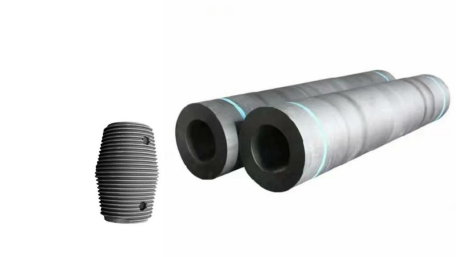
Thoroughly clean electrode and nipple threads before connection to ensure complete fitting. Control tightening torque strictly to avoid loose contact and thread damage. Calibrate electrode verticality and coaxiality, and replace aging clamps and anti-loosening accessories regularly.
3.3 Optimize Smelting Process and Stabilize Furnace Atmosphere
Avoid frequent start-stop and drastic load changes to reduce thermal stress impact. Standardize oxygen blowing and feeding operations to prevent excessive oxidation and mechanical impact. Stabilize arc length and electrical parameters to avoid local overheating and uniformize electrode load.
3.4 Strengthen Daily Equipment Operation and Maintenance
Regularly calibrate electrode lifting systems to eliminate vibration and deviation. Inspect water cooling pressure and tightness daily to ensure uniform cooling. Establish regular inspection records to check nipple tightness, thread wear and electrode cracks, and eliminate over-aged and damaged accessories in a timely manner.
4. Conclusion
Graphite electrode breakage and excessive nipple loss are comprehensive problems caused by product selection, operational standardization, process parameters and equipment maintenance. Instead of simply attributing faults to product quality, enterprises should realize full-process optimization through accurate selection, standardized installation, stable smelting technology and daily refined inspection. This systematic optimization can effectively reduce electrode consumption rate, avoid unplanned shutdowns, and improve the stability and economic benefits of steelmaking production.
Search Blog