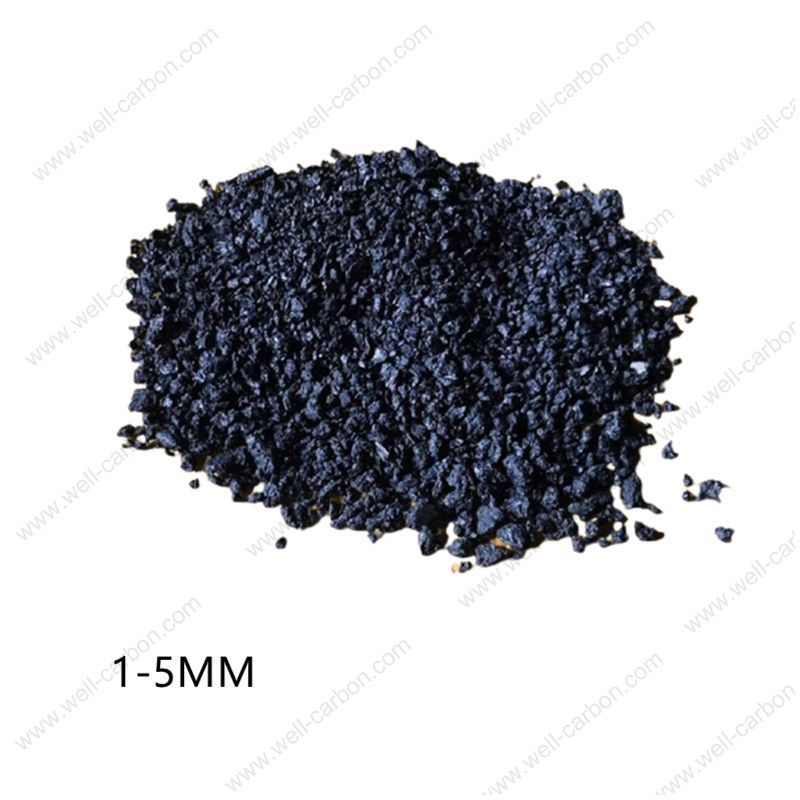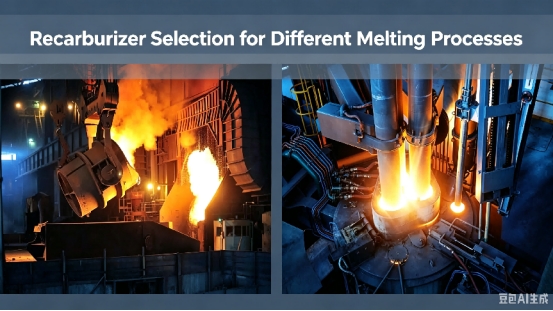
Electric Arc Furnace (EAF) steelmaking and medium frequency furnace casting are two mainstream melting processes in metallurgy. They differ drastically in furnace temperature, melting atmosphere, raw material composition and quality standards, which leads to completely different requirements on recarburizer indicators including fixed carbon, sulfur, nitrogen, volatile matter, carbon absorption rate and particle size.
Many factories use the same type of recarburizer for both steelmaking and casting, which frequently causes hot brittleness in molten steel, subcutaneous blowholes in castings, unstable carbon control, severe carbon oxidation loss and higher overall production cost. This article classifies EAF and medium frequency furnace working conditions, provides targeted recarburizer standards, specifications and operational tips.
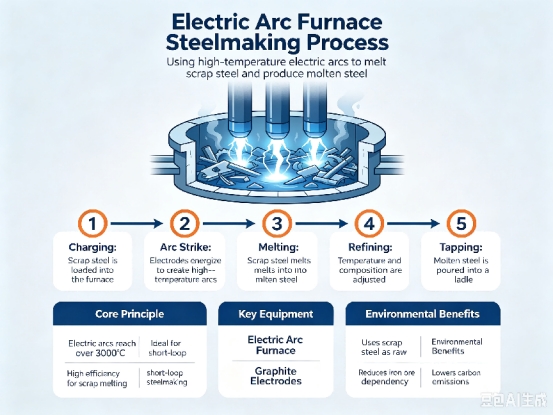
1. Ultra-high furnace temperature, fast heating, strong molten pool stirring and fluctuating oxidizing atmosphere;
2. Raw materials include scrap steel, pig iron and DRI with complex impurity sources;
3. Products range from ordinary carbon steel, alloy steel to stainless steel, with strict hierarchical limits on sulfur, phosphorus and nitrogen;
4. Recarburization happens in two stages: base recarburization during feeding and fine-tuning carbon level after melting.
1. Ordinary carbon steel, construction steel billet
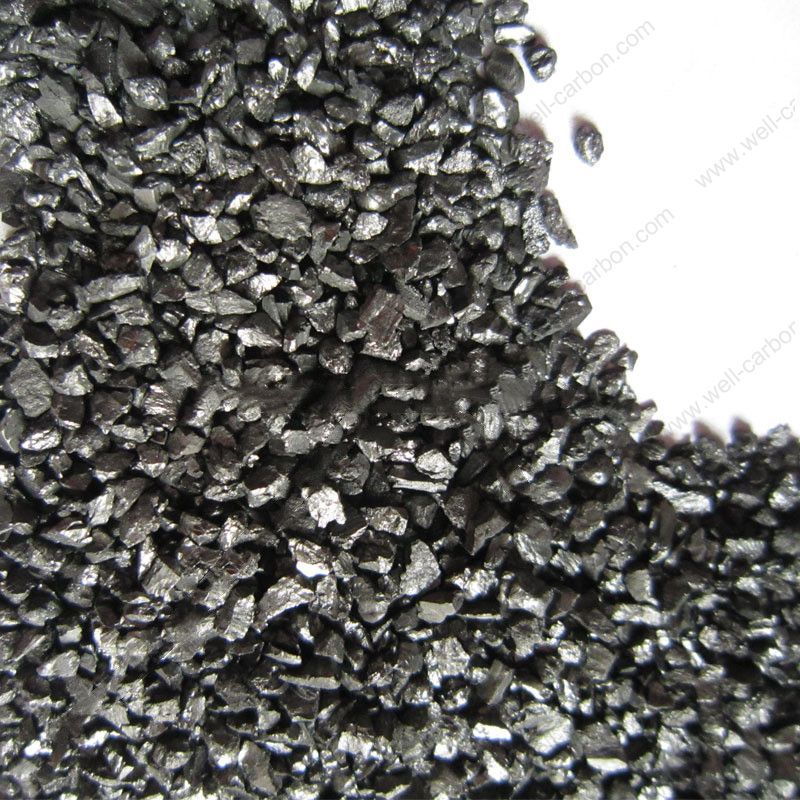
① Matching product: Medium-sulfur calcined petroleum coke recarburizer
② Index: Fixed carbon ≥95%, S ≤0.5%, N ≤800ppm, particle size 10–50mm
③ Advantage: Low procurement cost, fast dissolution under high temperature, meets basic carbon demand of low-end carbon steel.
④ Limitation: Not applicable for alloy steel and high-grade special steel.
2. Alloy structural steel, bearing steel, gear steel, stainless steel
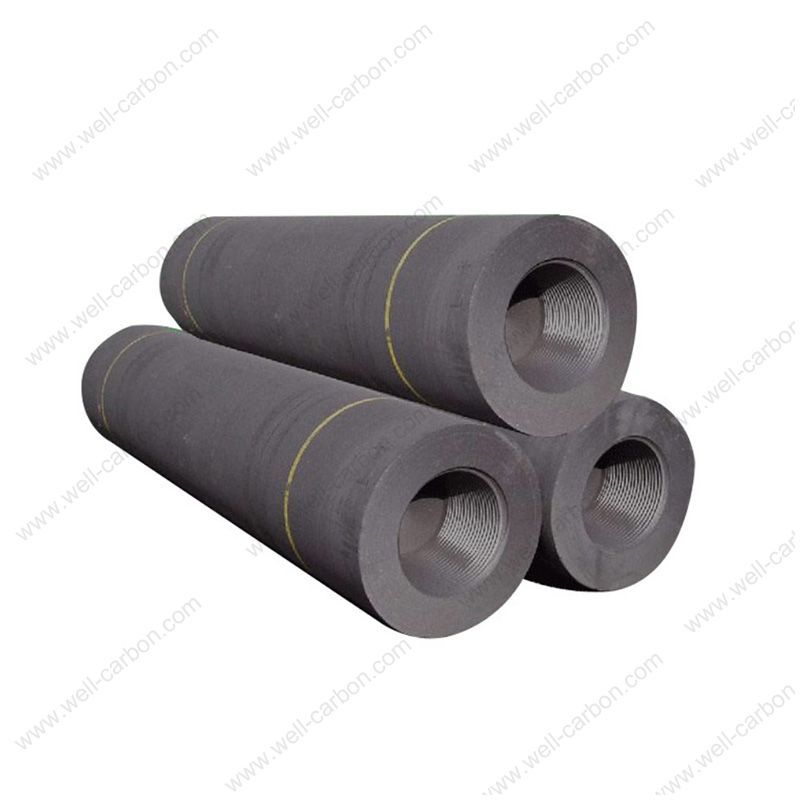
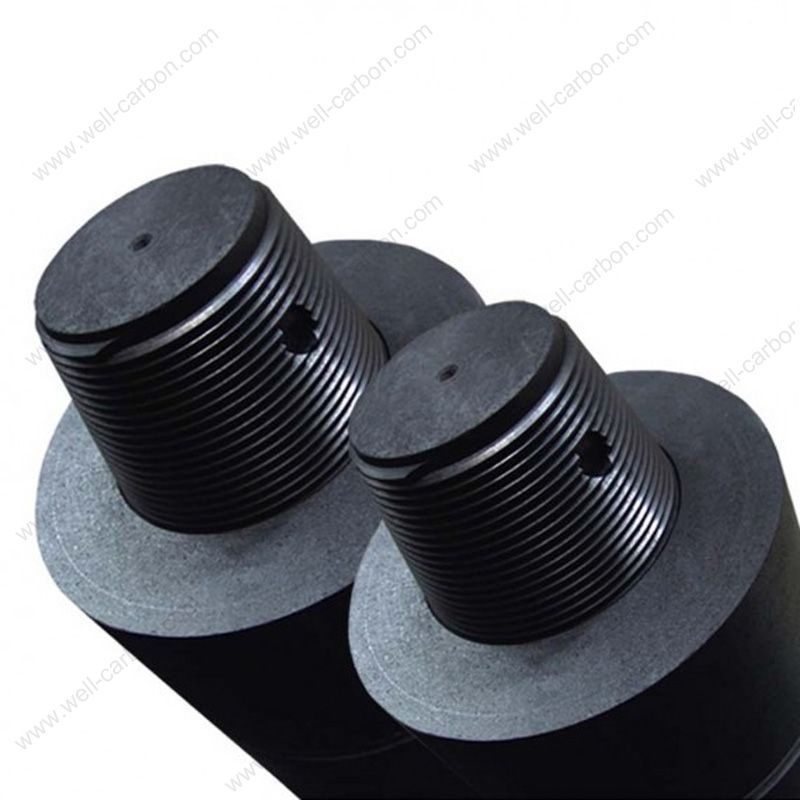
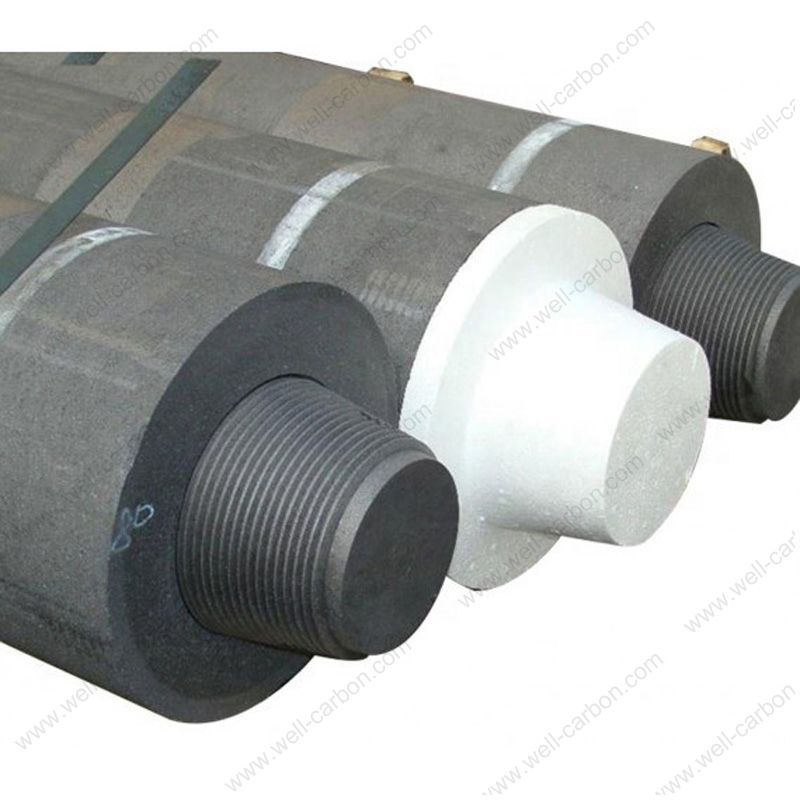
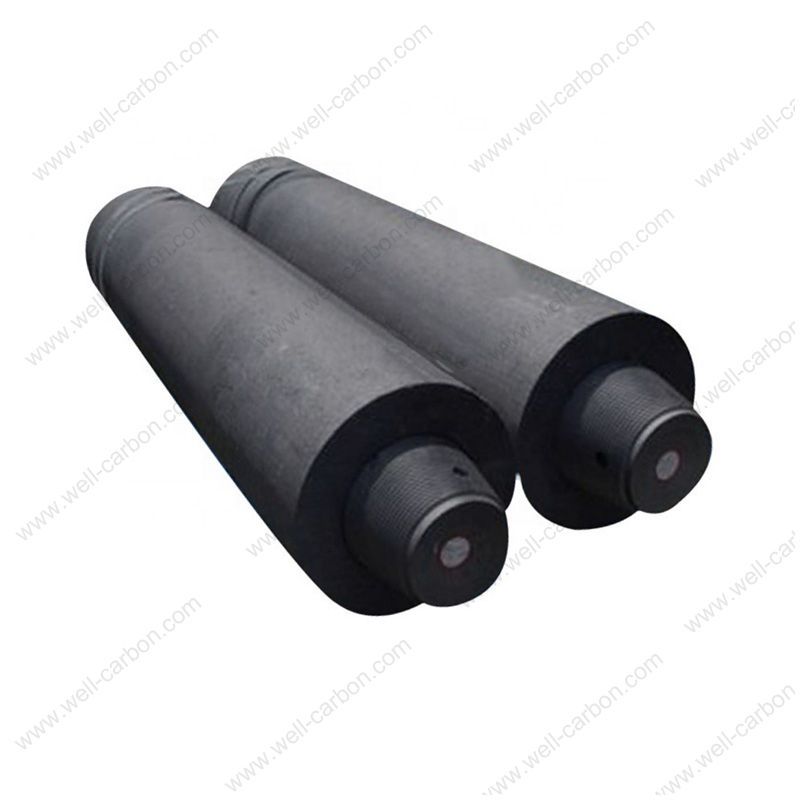
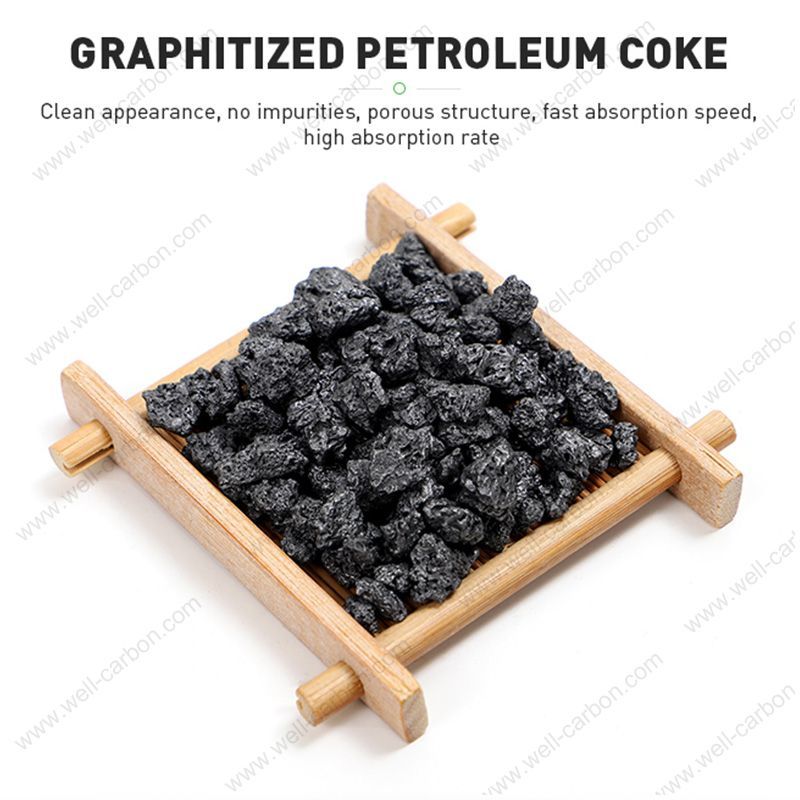
① Matching product: Low-sulfur graphitized recarburizer / needle coke graphitized recarburizer
② Index: Fixed carbon ≥99%, S ≤0.03%, N ≤100ppm, low ash & low volatile matter
③ Core value: Ultra-low sulfur & nitrogen eliminate hot brittleness, aging cracks and internal blowholes; graphite crystal structure ensures stable absorption rate and controllable burning loss under strong oxidizing EAF environment.
3. Low-carbon & ultra-low carbon steel
① Matching product: High-purity low-nitrogen graphitized recarburizer
② Feature: Complete denitrification under ultra-high temperature, avoids nitrogen overrun and satisfies non-destructive testing standards for high-grade steel.
1. Use large-size recarburizer for base spreading to reduce oxidation loss during charging;
2. Fine particle graphitized recarburizer for carbon trimming in refining period for rapid dissolution and uniform composition;
3. For high-alloy steel smelting, high-sulfur calcined coke is forbidden to prevent impurity accumulation.
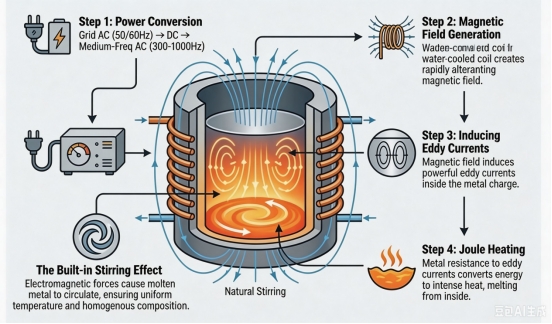
1. Small furnace capacity, lower overall temperature than EAF, weak molten pool stirring and long holding time;
2. Main products: gray cast iron, ductile iron, high-end wind power & new energy castings;
3. Molten iron is extremely sensitive to nitrogen; trace nitrogen triggers subcutaneous blowholes and pinholes. Excessive sulfur damages nodular graphite morphology;
4. Recarburizer is mostly added with scrap steel and pig iron at feeding stage; low melting temperature puts high demand on carbon absorption rate.
1. Ordinary gray iron, counterweight castings, low-end machinery rough castings
① Matching product: Medium-sulfur calcined petroleum coke recarburizer
② Index: Fixed carbon 93%–97%, S ≤0.45%, particle size 1–10mm
③ Application: No NDT or nodularity requirement, only adjust carbon equivalent with minimum raw material cost.
2. Standard ductile iron, automobile chassis castings, general machined castings
① Matching product: Standard low-sulfur graphitized recarburizer Index:
② Fixed carbon ≥98.5%, S ≤0.04%, N ≤150ppm
③ Advantage: Flaky graphite is easily infiltrated by molten iron, absorption rate reaches over 90% under medium-low furnace temperature, stabilizes nodularity and greatly reduces blowhole rejection rate.
3. Wind power castings, new energy housings, export high-end ductile iron, thin-wall precision castings
① Matching product: High-purity ultra-low sulfur & low nitrogen graphitized recarburizer
② Index: Fixed carbon ≥99.2%, S ≤0.02%, ultra-low volatile matter
③ Core function: Eliminate nitrogen blowholes, graphite flotation and shrinkage porosity, meet non-destructive testing standards for export castings.
1. Graphitized recarburizer is preferred for small & medium medium frequency furnaces. Calcined coke shows poor absorption at low temperature; extra feeding volume will increase total cost.
2. High-nitrogen calcined coke is prohibited for all ductile iron melting, rework cost of nitrogen defects far exceeds recarburizer price gap.
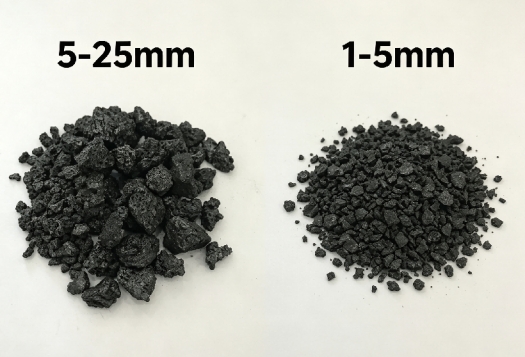
3. Select fine particles 1–6mm and add synchronously with raw materials to accelerate dissolution.
Comparison Item | EAF Steelmaking | Medium Frequency Furnace Casting |
Melting Temperature | 1600–1750℃ high temperature | 1300–1500℃ medium-low temperature |
Main Harmful Impurity Risk | Sulfur (hot brittleness cracks), Nitrogen (internal steel blowholes) | Nitrogen (subcutaneous pinholes), Sulfur (nodularity failure) |
Low-end Matching Recarburizer | Calcined petroleum coke recarburizer | Calcined petroleum coke recarburizer (only for ordinary gray iron) |
Mandatory Recarburizer for Mid & High-Grade Products | Low-sulfur graphitized recarburizer | Low-sulfur low-nitrogen graphitized recarburizer |
Requirement for Carbon Absorption Rate | Medium, high temperature compensates carbon dissolution | Extremely high, relies on graphite crystal under low temperature |
Recommended Particle Size | Large 10–50mm (base spreading), 3–10mm (refining) | Fine 1–10mm |
Forbidden Product | High-sulfur high-nitrogen calcined coke (all alloy steel procedures) | High-nitrogen calcined coke (all ductile iron production) |
1. EAF Steelmaking: Graded selection by steel grade. Calcined coke is acceptable for ordinary carbon steel; graphitized recarburizer is mandatory for alloy steel, stainless steel and NDT special steel.
2. Medium Frequency Furnace Casting: Calcined coke can be used for simple gray iron. All ductile iron, thin-wall precision and wind power export castings shall adopt low-sulfur low-nitrogen graphitized recarburizer.
3. Core Selection Principle: Do not judge recarburizer only by unit price. Calculate full-process cost combining furnace temperature, product quality standard and rejection loss to select matched recarburizer with qualified indicators.
Search Blog