Home > News > How to Select Recarburizer: Graphitized vs Calcined Petroleum Coke – Analysis of Fixed Carbon, Sulfur, Nitrogen & Absorption Rate
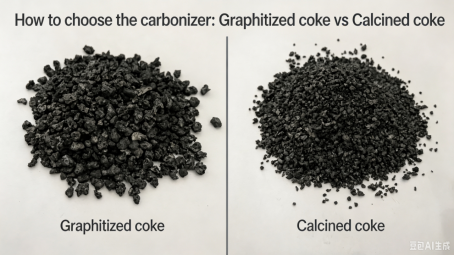
Recarburizer is an essential raw material for adjusting carbon content, optimizing metallographic structure and cutting production cost in steelmaking, casting, ductile iron and forging industries. Graphitized recarburizer and calcined petroleum coke recarburizer are two mainstream products on the market. Due to differences in raw materials, production process and physical & chemical indicators, improper selection will lead to casting defects including blowholes, shrinkage porosity and graphite distortion. Many metallurgists only focus on fixed carbon value while ignoring sulfur, nitrogen and carbon absorption rate, which causes huge hidden loss of production. This article compares graphitized recarburizer and calcined coke recarburizer comprehensively, interprets four core indicators and provides targeted selection suggestions for different industries.
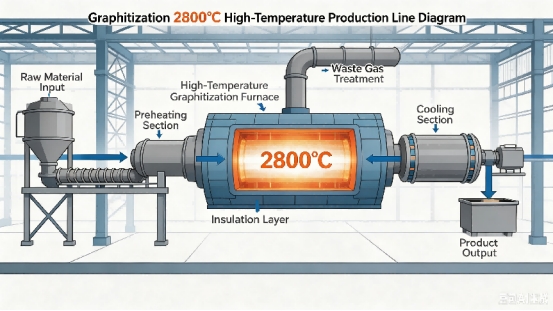
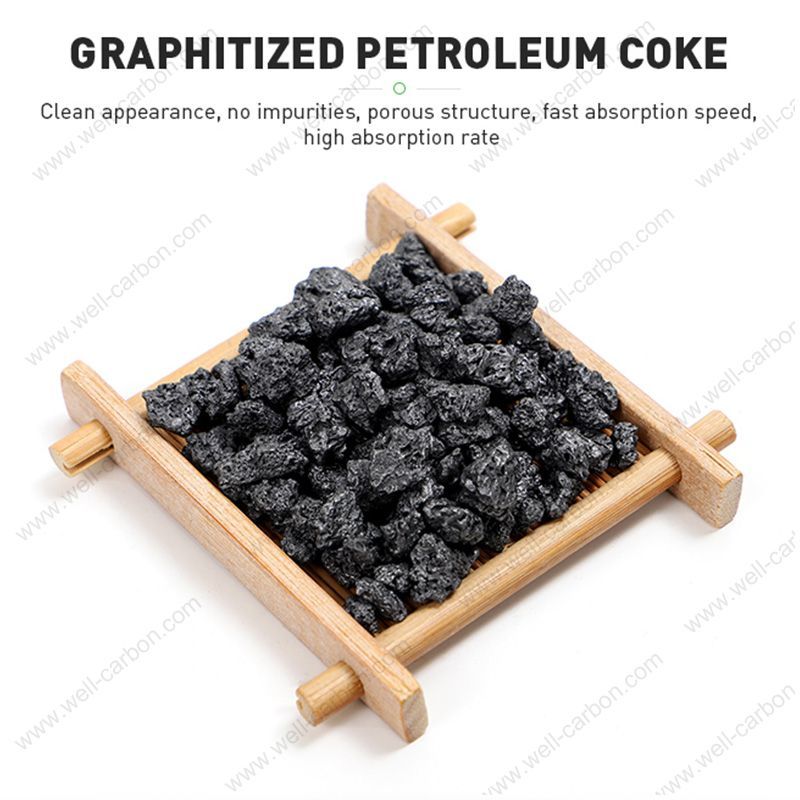
Raw material: High-quality petroleum coke / needle coke Process: Heat-treated above 2800℃ in graphitization furnace. Disordered carbon crystals transform into layered graphite structure after high-temperature purification, then crushed and sieved into uniform particles. Features: Stable graphite crystal structure, most impurities decomposed and removed under ultra-high temperature, ultra-low sulfur and nitrogen content.
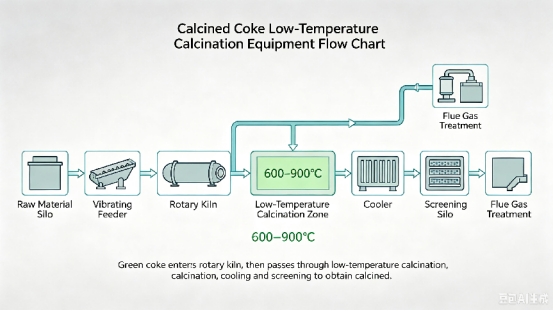
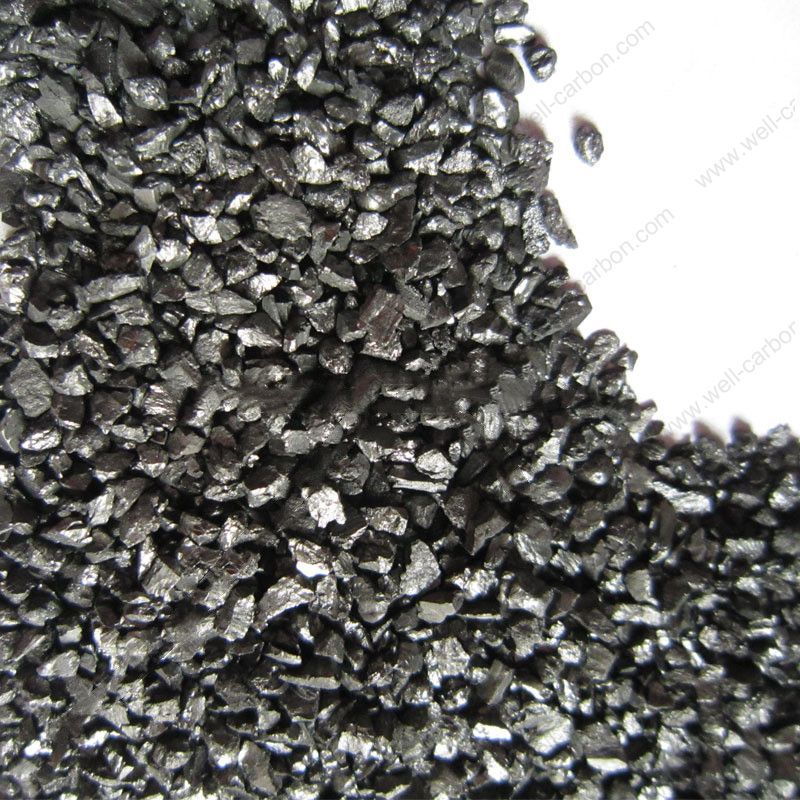
Raw material: Ordinary petroleum coke Process: Low-temperature calcination at 1200–1500℃, only moisture and volatile matter removed without graphitization crystal transformation. Features: Low purchase price, high residual impurities, amorphous carbon as main composition with high sulfur and nitrogen.
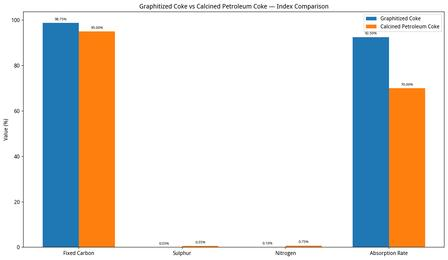
Fixed carbon refers to effective carbon content excluding volatile matter and ash, the fundamental index of recarburizer.
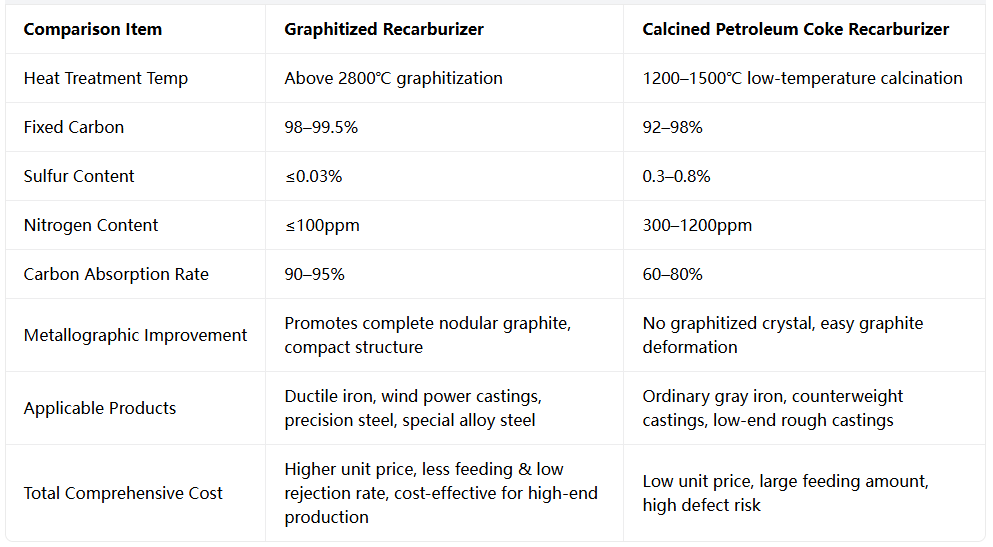
· Graphitized recarburizer: Fixed carbon ranges from 98% to 99.5%, high-purity grade reaches 99.8%. It provides sufficient effective carbon with small feeding amount.
· Calcined coke recarburizer: Fixed carbon 92%–98%, low-grade products below 90% with high ash and volatile residue. Selection Tip: Fixed carbon value alone cannot determine performance. With the same FC content, graphitized recarburizer has far higher carbon absorption rate.
Excessive sulfur destroys nodular graphite in ductile iron and causes hot brittleness cracks in steel castings. Wind power castings, precision steel and export ductile iron have strict sulfur limits.
· Graphitized recarburizer: Sulfide fully decomposed at 2800℃, S ≤ 0.03%, super low-sulfur grade ≤0.01%.
· Calcined coke recarburizer: Organic sulfur cannot be eliminated by low-temperature calcination, S content 0.3%–0.8%, even low-sulfur calcined coke hardly below 0.15%. Application Division: Graphitized recarburizer is mandatory for ductile iron, precision casting steel and special alloy steel. Ordinary gray iron and low-end counterweight castings can adopt calcined coke.
Excess dissolved nitrogen in molten iron triggers subcutaneous blowholes, pinholes, especially for thin-wall and high-surface-quality castings.
· Graphitized recarburizer: Complete denitrification under ultra-high temperature, N ≤100ppm.
· Calcined coke recarburizer: Mass nitrogen remains after low-temperature calcination, N 300–1200ppm, high risk of blowhole rejection.
Carbon absorption rate stands for the percentage of carbon dissolved into molten metal, directly affecting feeding quantity, power consumption and overall cost.
2.4.1.Graphitized recarburizer: Flaky graphite is easy to infiltrate and dissolve rapidly, absorption rate 90%–95%, excellent performance in medium-frequency small furnaces with low melting temperature.
2.4.2.Calcined coke recarburizer: Amorphous carbon is hard to melt and easy to oxidize & burn loss, absorption rate only 60%–80%. Extra feeding amount increases actual cost. Cost Misunderstanding: Although calcined coke has lower unit price, high rejection rate caused by impurities leads to higher comprehensive cost for high-end casting lines.
3.Comparative Table: Graphitized Recarburizer VS Calcined Petroleum Coke Recarburizer
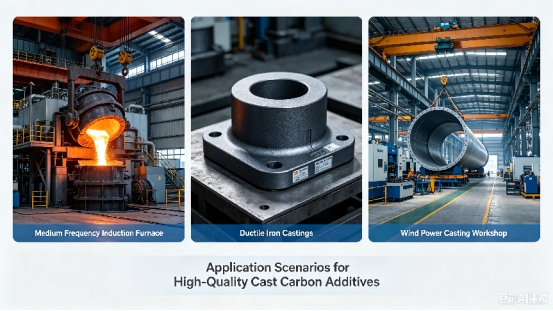
4.1.Ductile Iron / New Energy & Wind Power Castings: Adopt low-sulfur low-nitrogen graphitized recarburizer (S≤0.03%, N≤100ppm) to avoid blowholes, shrinkage porosity and poor nodularization;
4.2.Precision Cast Steel & Special Alloy Steel: High-purity graphitized recarburizer to prevent sulfur brittleness and nitrogen-induced cracks;
4.3.Ordinary Gray Iron & Heavy Machinery Rough Castings: Calcined coke recarburizer is acceptable for raw material cost control with loose quality standards;
4.4.Small Medium-Frequency Furnace & Low-Temperature Melting Process: Prioritize graphitized recarburizer to compensate low absorption rate of calcined coke under low temperature.
5.1.For high casting yield, export high-end castings and special steel smelting: Choose graphitized recarburizer for low impurities and high absorption rate to reduce invisible production loss;
5.2.For low-end rough castings without strict metallography & flaw detection requirements: Calcined petroleum coke recarburizer can be used, equipped with extra degassing and desulfurization treatment;
5.3.Core selection logic: Do not judge recarburizer only by unit purchase price. Calculate full-process cost based on four indicators: fixed carbon, sulfur, nitrogen and carbon absorption rate.
Search Blog